
The post-pandemic workplace blends remote, hybrid, and in-office setups to meet new expectations and boost productivity. You’ll use digital tools like video calls, chat platforms, and cloud apps to collaborate effectively across distances. Setting up an ergonomic workspace at home is key to staying comfortable and focused. By developing skills in virtual communication and adapting to flexible work models, you can thrive in this evolving environment—continue exploring to learn how these changes can work for you.
Key Takeaways
- The post-pandemic workplace blends remote, hybrid, and in-office models to enhance flexibility and meet evolving employee expectations.
- Digital collaboration tools like video conferencing and cloud apps are essential for maintaining productivity across work settings.
- Ergonomic workspace setups at home and in hybrid environments support health, comfort, and sustained work performance.
- Developing adaptability and virtual collaboration skills is vital for success in the transformed workplace landscape.
- Creating a seamless integration of technology, ergonomics, and flexible policies fosters a resilient, efficient post-pandemic work environment.

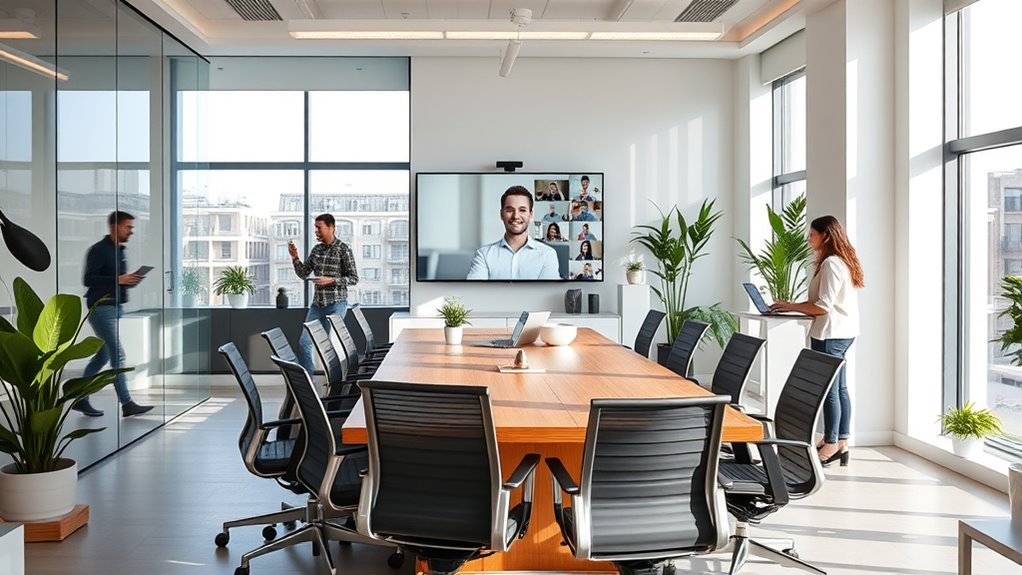
The post-pandemic workplace has fundamentally transformed how we work, blending remote and in-office environments to meet new expectations. As you navigate this evolving landscape, you’ll find that virtual collaboration plays a central role. Whether you’re connecting with colleagues across the globe or sharing ideas in real-time, effective virtual tools are essential. You’ll rely on video conferencing, chat platforms, and cloud-based apps to stay coordinated and productive. To succeed, you’ll need to master these digital channels, ensuring your communication remains clear and your team stays aligned. Yet, technology alone isn’t enough; workplace ergonomics also takes center stage. Working remotely often means setting up a workspace at home, which can be a challenge if you’re not mindful of ergonomics. You should prioritize an ergonomic chair, a proper desk height, and a monitor at eye level to prevent strain and fatigue. When your posture is supported, you’ll notice increased comfort and focus, reducing the risk of long-term health issues. In hybrid settings, maintaining these ergonomic principles is equally important. You might have a dedicated workspace at home and a different setup in the office, but consistency in ergonomics will help you stay comfortable across both environments. When working in a shared space, pay attention to how your workstation is arranged—adjust your chair, monitor, and keyboard to suit your body. This attention to workplace ergonomics not only enhances comfort but also boosts productivity, helping you to stay engaged throughout the day. The shift toward flexible work arrangements means you need to be proactive about creating a workspace that supports your well-being. You’ll find that integrating ergonomic principles into your daily routine reduces discomfort and prevents injuries over time. Additionally, understanding the importance of ergonomic design can help you optimize your workspace for better health. As you adapt to this hybrid model, developing skills in virtual collaboration will help you communicate more effectively and build stronger relationships with colleagues. You’ll learn to leverage digital tools to share ideas, give feedback, and solve problems quickly, regardless of where you’re working from. This adaptability is key to thriving in the post-pandemic workplace. Ultimately, embracing these changes requires a mindset focused on flexibility and continuous improvement. By paying attention to workplace ergonomics and sharpening your virtual collaboration skills, you set yourself up for success in this new normal. It’s about creating a balanced environment where comfort, efficiency, and connection coexist, enabling you to perform at your best no matter where your workspace is located.
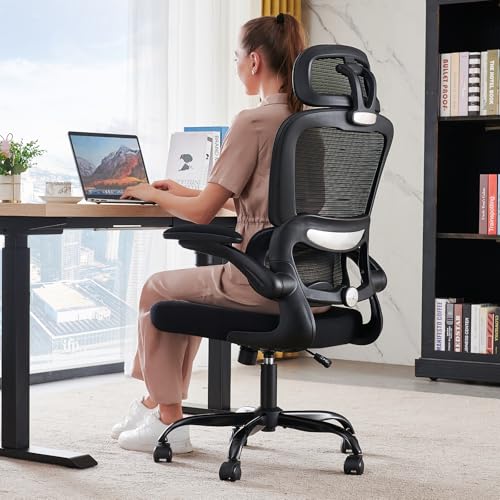
TRALT Office Chair Ergonomic Desk Chair, 330 LBS Home Mesh Office Desk Chairs with Wheels, Comfortable Gaming Chairs (1, Black)
Adjustable Lumbar, Not a Fixed Afterthought – Unlike flimsy plastic supports that crack or lose tension, this chair…
As an affiliate, we earn on qualifying purchases.
As an affiliate, we earn on qualifying purchases.
Frequently Asked Questions
How Do Companies Measure Productivity Across Different Work Models?
You measure productivity by tracking performance metrics like output quality, deadlines met, and project completion rates. You also assess employee engagement through surveys and feedback, which reveal how motivated and connected your team feels. Combining these indicators helps you get a clear picture of how effectively your work models support productivity. Regularly reviewing these metrics enables you to adjust strategies and foster a more engaged, high-performing workforce across all work settings.
What Legal Considerations Impact Remote and Hybrid Work Arrangements?
You need to take into account data privacy and employment law when managing remote and hybrid work. Make certain employee data is protected under privacy regulations and that your policies comply with local labor laws. You’re responsible for providing clear guidelines on monitoring, data handling, and work hours. Staying updated on legal requirements helps prevent legal risks, so regularly review policies and consult legal experts to keep your arrangements compliant and secure.
How Will Office Redesigns Accommodate New Health Guidelines?
You’ll see office redesigns prioritize health by incorporating ergonomic furniture to support comfort and reduce strain. Air filtration systems will be upgraded to improve air quality and minimize airborne pathogens. These changes help create a safer environment, encouraging employees to feel comfortable returning or working onsite. By focusing on these elements, your workplace promotes well-being while complying with new health guidelines, making the office a healthier, more inviting space.
What Technologies Are Essential for Effective Remote Collaboration?
You need cutting-edge virtual collaboration tools like high-quality video conferencing, instant messaging, and shared digital workspaces to stay connected and productive. These tools make remote teamwork feel seamless, almost like being in the same room—no more frustrating lag or miscommunication. Don’t forget cybersecurity essentials like secure VPNs and strong authentication to protect sensitive data. With these technologies, your remote collaboration will be unstoppable, ensuring success no matter where you work.
How Do Work Models Affect Employee Mental Health and Well-Being?
Work models directly impact your mental health and well-being. If you face mental health challenges, an inflexible work schedule can increase stress and disrupt your work-life balance. Conversely, flexible models allow you to manage your time better, reducing anxiety and burnout. By choosing a work setup that supports your needs, you can improve your overall mental health, stay productive, and maintain a healthier work-life balance.

ErGear Height Adjustable Electric Standing Desk, 48 x 24 Inches Sit Stand up Desk, Memory Computer Home Office Desk, Black
Electric Height Adjustable Standing Desk for Comfortable Work – Switch effortlessly between sitting and standing with this electric…
As an affiliate, we earn on qualifying purchases.
As an affiliate, we earn on qualifying purchases.
Conclusion
Now that the pandemic has reshaped your workplace, there’s no turning back. Whether you work remote, hybrid, or in the office, you’re stepping into a world where your productivity, happiness, and even your career might depend on these choices. This isn’t just a trend—it’s a revolution so powerful it could change your life forever. So, embrace your new workstyle boldly, because the future of work is here, and it’s more exciting (and unpredictable) than you ever imagined!

Amazon Basics Height Adjustable Monitor Stand Riser with Storage Organizer, 3-Level Stackable Design, Durable ABS Plastic, Supports up to 22lbs, for Monitors & Laptops, Black
Clear Dimensions with Tapered Design: Top surface measures approx. 11.6 inches x 11 inches (W at center), with…
As an affiliate, we earn on qualifying purchases.
As an affiliate, we earn on qualifying purchases.

Vaydeer Wrist Rest for Keyboard and Mouse, Computer Ergonomic Wrist Support Pad, Soft Memory Foam Arm Cushion for Desk, Palm Hand Office Laptop Typing
【Softer and More Comfortable】Vaydeer wrist rest has unique diamond pattern, which is the combination of softness and aesthetics….
As an affiliate, we earn on qualifying purchases.
As an affiliate, we earn on qualifying purchases.