
Retailers now focus on smaller, frequent shopping trips by offering convenience and quick access through smarter store technologies. They combine personalized experiences with seamless omnichannel integrations, allowing you to enjoy tailored recommendations, easy online-to-in-store shift , and fast checkout options. These innovations help create a more efficient, enjoyable shopping environment designed around your needs. Keep exploring to discover how these trends will shape your future shopping experiences and keep you ahead in retail.
Key Takeaways
- Consumers prefer smaller, more frequent purchases driven by convenience and immediacy.
- Smarter stores utilize data to personalize layouts and product placements for quicker shopping.
- Omnichannel integration allows seamless online and offline experiences, supporting rapid, personalized transactions.
- Technology tracks customer behavior to anticipate needs and tailor recommendations efficiently.
- Retailers focus on creating personalized environments that enhance speed, ease, and individual shopping experiences.
Have you noticed how retail is evolving at a rapid pace? It’s not just about what’s being sold anymore; it’s about how you experience shopping. Retailers are shifting their focus towards creating more personalized experiences, and that means implementing effective personalization strategies. By leveraging data from your past purchases and browsing habits, stores can tailor recommendations specifically for you, making each shopping trip more relevant and efficient. This shift toward personalization isn’t just about offering discounts or suggestions; it’s about understanding your preferences on a deeper level and anticipating your needs before you even voice them. This approach enhances customer satisfaction, builds loyalty, and encourages repeat business.
Alongside personalization, omnichannel integration has become a cornerstone of modern retail. You now expect a seamless experience whether you’re shopping online from your computer, browsing on your mobile device, or visiting a physical store. Retailers are investing heavily in integrating these channels to create a unified brand experience. This means that your online cart, loyalty account, or product preferences are accessible and consistent across all platforms. For example, if you add an item to your cart on the website, you should be able to pick up where you left off in-store or through a mobile app. Omnichannel integration removes friction, making your shopping journey smoother and more convenient. It also allows retailers to gather all-encompassing data about your behavior across channels, further fueling personalization strategies.
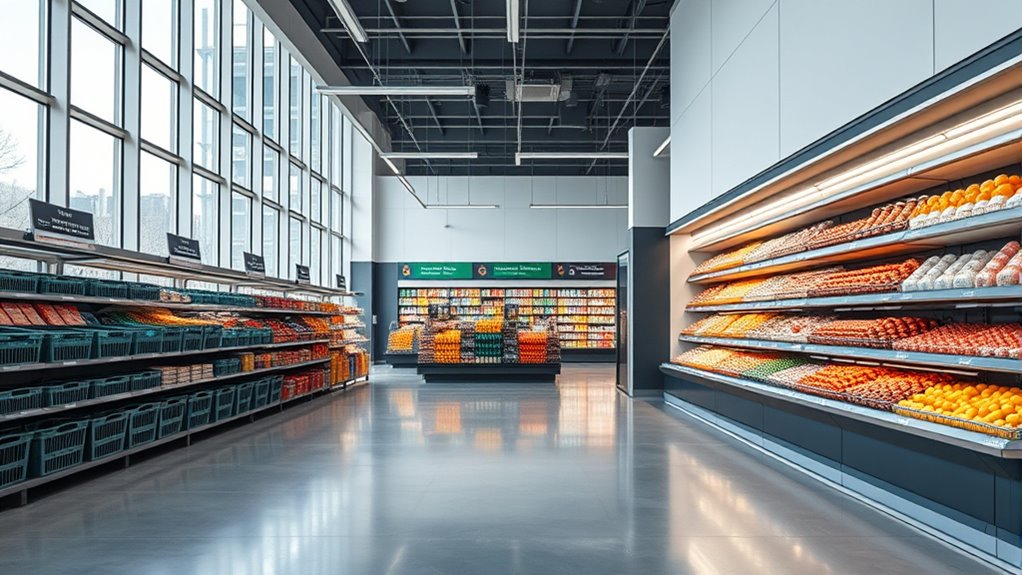
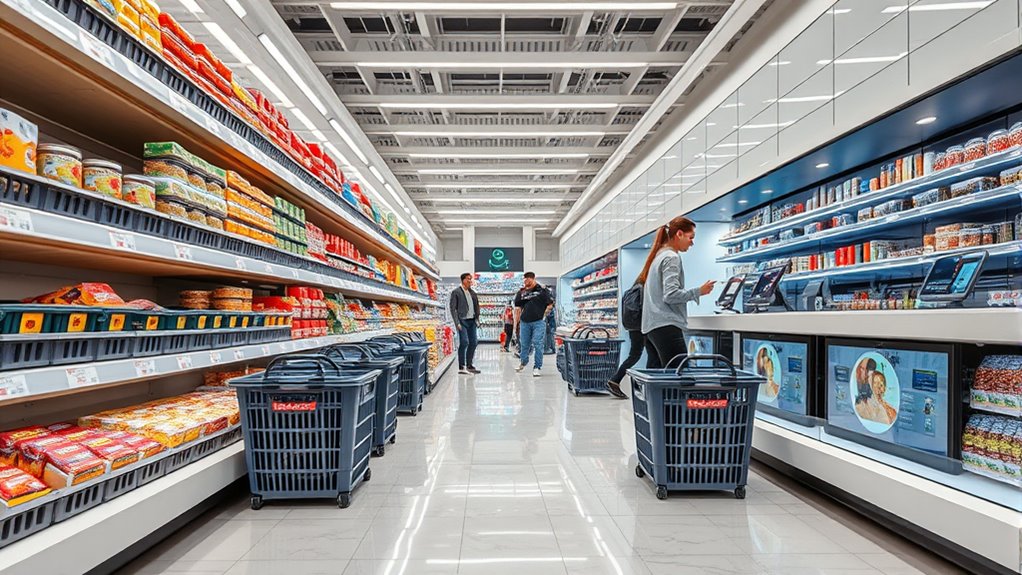
Smaller baskets are becoming more common as retailers aim to adapt to changing consumer habits. You’re likely purchasing fewer items per trip but more frequently, driven by convenience and immediacy. Retailers are responding by offering smarter store layouts that prioritize quick access to popular items and personalized suggestions tailored to your preferences. These stores are also equipped with technology that tracks your movements and purchases, helping staff assist you more efficiently and stock shelves more accurately. The goal is to create a store environment that feels personalized and efficient—so you spend less time shopping but still get everything you need. This shift toward smaller, more frequent baskets is supported by omnichannel capabilities, allowing you to order online and pick up in-store or have items delivered quickly, giving you flexibility and control over your shopping experience.
In essence, the future of retail is about blending personalization strategies with omnichannel integration to deliver smarter, more tailored experiences. Smaller baskets reflect a shift towards convenience and immediacy, supported by technology that makes shopping faster, easier, and more personalized. As a consumer, you benefit from stores that understand your preferences, streamline your journey, and adapt to your habits—making retail not just a transaction but a truly individualized experience.

BYNSOE 71" W Storage Shelves 5000lbs Garage Metal Shelving Heavy Duty Garage Shelves Adjustable Storage Shelves for Industrial, Factory,71" W X 24" D X 69" H
Extra large product size: The heavy-duty shelving are 71"W x 24"D x 69"H, and have been widened and...
As an affiliate, we earn on qualifying purchases.
Frequently Asked Questions
How Are Smaller Baskets Impacting Overall Sales Volume?
Smaller baskets tend to increase shopping frequency, but they often decrease overall sales volume per trip. As you see customers buying less each visit, they might come more often, which can balance out sales. However, if basket size drops substantially, your total sales could decline unless you encourage higher purchase value per visit. Focus on strategies to upsell or promote frequent visits to maintain revenue despite smaller basket sizes.
What Technologies Are Enabling Smarter Store Experiences?
You’re leveraging digital checkout systems and personalized marketing to create smarter store experiences. Digital checkout speeds up transactions, reducing wait times and improving customer satisfaction. Personalized marketing uses data to offer tailored promotions, encouraging repeat visits and higher engagement. These technologies work together to make your store more efficient and customer-friendly, ultimately driving sales and loyalty. Implementing such tools allows you to stay competitive in a rapidly evolving retail landscape.
How Do These Trends Affect Consumer Shopping Behavior?
Imagine walking into a store where digital coupons instantly pop up on your phone, guiding your choices, and loyalty programs reward your frequent visits. These trends make you shop more intentionally, favoring quick, targeted trips with smaller baskets. You’re more likely to use digital coupons and engage with loyalty programs, which personalize your experience. As a result, your shopping becomes more convenient, rewarding, and tailored to your habits.
Are Smaller Baskets Reducing Store Inventory Costs?
Smaller baskets can reduce your store’s inventory costs by improving inventory management. When shoppers carry smaller baskets, they purchase less per visit, which means you stock fewer items overall. This helps you manage stock levels more efficiently, reduce excess inventory, and minimize waste. Additionally, smaller baskets encourage quicker shopping trips, boosting turnover rates and helping you keep your inventory lean and aligned with actual demand.
What Demographic Groups Are Most Influenced by These Retail Trends?
Think of retail trends as a river shaping different landscapes; they heavily influence certain demographic groups. Younger shoppers, especially Millennials and Gen Z, are most impacted, favoring quick, convenient pickups and smarter stores. Their shopping preferences lean toward smaller baskets, driven by a desire for efficiency and sustainability. Age group impacts reveal that these trends cater to their fast-paced lifestyles, making them the primary drivers of change in retail environments today.

FLEXIMOUNTS 4x8 Overhead Garage Storage Rack, Adjustable Organization System, Heavy-Duty Metal Ceiling Racks, 750lbs Weight Capacity, Black, Classic Series
1200 lbs Tested, 750 lbs Rated: Our overhead garage storage rack undergoes rigorous 1.6 times load testing (1200...
As an affiliate, we earn on qualifying purchases.
Conclusion
As you navigate this evolving retail landscape, remember that smaller baskets and smarter stores are the seeds of change. Picture a bustling marketplace, where every item in your basket tells a story of innovation and efficiency. Embrace these trends like a compass guiding you through a maze, leading to smarter shopping experiences. By adapting now, you’ll not only keep pace but also shape the future of retail—turning each visit into a journey of discovery.

HPDMC 15-Piece Corner Garage Storage Cabinet System - Heavy Duty Workshop Set w/Corner Cabinet Includes Workbench, Pegboard & Lockable Drawers | Metal Tool Organization System for Garage/Workshop
Locker x 1, Wall cabinet x 4, 4-drawer cabinet x 1, Corner wall cabinet x 1, Corner base...
As an affiliate, we earn on qualifying purchases.

ELIHGTBY 72 inch 6-PCS Modular LED Light Garage Cabinet System Heavy-Duty Steel Workbench with Cabinets Complete Garage Storage System with Solid Wood Top Lockable Drawers for Workshop
DESIGN YOUR DREAM GARAGE: Unleash your creativity! Our fully modular garage cabinet systems allow you to freely combine...
As an affiliate, we earn on qualifying purchases.