To adopt low-waste daily swaps, start by recycling proper materials in designated bins, making it easier to reduce landfill waste. Choose eco-friendly packaging, like reusable bags and containers, to cut down on trash. Question unnecessary purchases and opt for secondhand or repurposed items, while prioritizing reusable products like bottles and cloths. Small daily changes add up over time. Keep exploring how these simple swaps can make a big impact on your sustainability journey.
Key Takeaways
- Replace single-use plastics with reusable water bottles, coffee cups, and shopping bags.
- Opt for products with minimal or biodegradable packaging to reduce waste.
- Reuse and repurpose household items instead of discarding them after minimal use.
- Properly sort recyclables to enhance recycling efficiency and conserve resources.
- Question new purchases and choose secondhand or sustainable alternatives to prevent unnecessary waste.
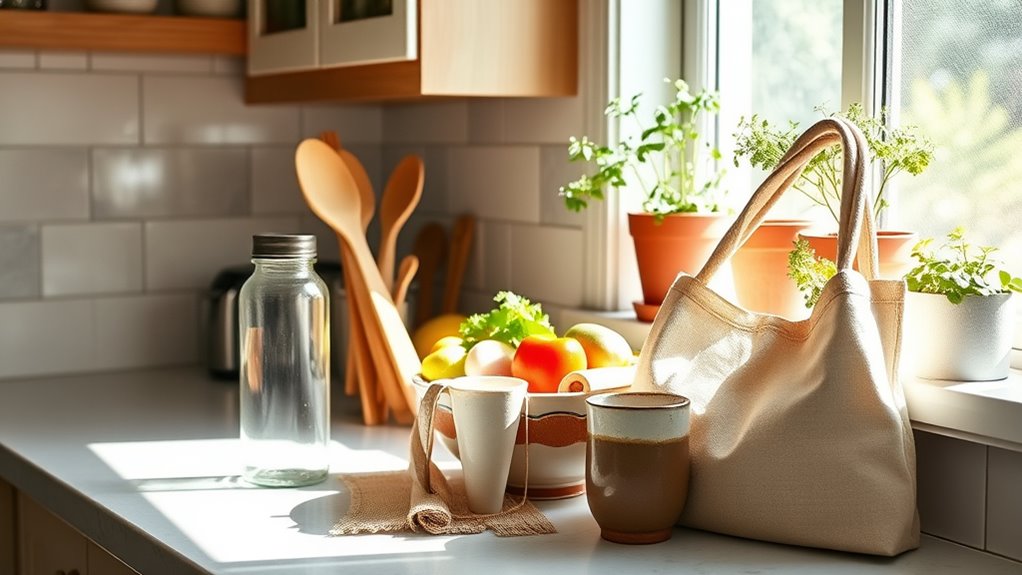
Have you ever wondered how your daily choices impact the planet? Small adjustments in your routines can make a big difference, especially when it comes to reducing waste. One of the most effective ways to start is by improving your recycling habits. Instead of tossing everything into the trash, take a moment to sort items properly—plastics, metals, paper, and glass all have designated bins. Proper recycling prevents materials from ending up in landfills and allows them to be reprocessed into new products. It’s a simple step, but it requires awareness and consistency. You might find it helpful to keep a dedicated bin in your kitchen or workspace, making recycling an effortless part of your day. Over time, these habits become second nature, considerably reducing your household waste.
Sorting recyclables properly can significantly reduce household waste and help protect the environment.
Another impactful change involves the packaging you choose. Eco friendly packaging options are becoming increasingly available and affordable, making it easier to avoid single-use plastics and unnecessary waste. When shopping, opt for products that come in biodegradable or recyclable containers. For instance, choose brands that use compostable wrappers or packaging made from recycled materials. Bringing your own reusable bags, containers, and wraps when shopping or dining out further minimizes the reliance on single-use items. These small swaps add up, decreasing the amount of trash that ends up in landfills and oceans.
Switching to eco friendly packaging also encourages companies to adopt more sustainable practices. When you prioritize products with minimal or sustainable packaging, you send a clear message that consumers value environmental responsibility. Over time, this influence can motivate brands to innovate and improve their packaging methods, creating a ripple effect toward broader industry change. It’s empowering to realize that your purchasing decisions can support companies committed to sustainability.
In addition to recycling habits and eco friendly packaging, consider reducing your overall consumption. Think twice before buying something new—do you really need it? Can you find a secondhand option? Can you repurpose what you already have? These questions help cut down on waste before it starts. Incorporating reusable items, like water bottles, coffee cups, and cloth napkins, also helps cut down on disposable waste and reduces the demand for packaging. Small daily swaps like these make a tangible difference over time and contribute to a more sustainable lifestyle.
Ultimately, sustainable living is about making mindful choices that prioritize the planet’s health. Improving your recycling habits and choosing eco friendly packaging are simple yet powerful steps you can take every day. When you commit to these practices, you’re not only reducing waste but also encouraging others to do the same. Every conscious decision adds up, creating a collective shift toward a cleaner, healthier Earth.
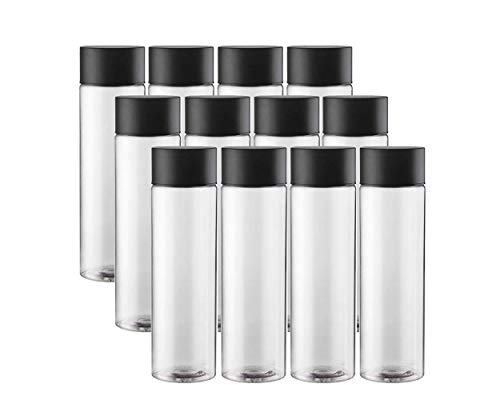
12-Pack Bulk Empty Plastic Reusable Juice / Water Bottles with Black Lids – Great for Smoothies, Sensory Crafts and Calming Bottles – 400ml
LEAK PROOF- Unlike our competitors, our empty plastic bottles are leakproof by design, including a slip that helps…
As an affiliate, we earn on qualifying purchases.
As an affiliate, we earn on qualifying purchases.
Frequently Asked Questions
How Can I Reduce Waste in My Workplace?
You can reduce waste at your workplace by promoting recycling programs and composting options. Encourage colleagues to sort recyclables properly and set up clearly labeled bins. Initiate composting for organic waste like food scraps and coffee grounds. Share information about the benefits of waste reduction and create a culture of sustainability. Small daily actions, such as using reusable containers and minimizing disposable items, also make a significant difference in lowering overall waste.
Are There Affordable Low-Waste Alternatives?
You might be surprised, but affordable low-waste alternatives exist that could transform your workspace. Reusable packaging options, like bamboo or silicone containers, help cut waste without breaking the bank. Plus, exploring simple composting methods for organic waste can make a big impact. These small changes aren’t just budget-friendly—they’re easy to implement, and they can considerably reduce your environmental footprint, making your workplace more sustainable every day.
How Do I Start a Zero-Waste Lifestyle?
To start a zero-waste lifestyle, begin by evaluating your recycling habits and reducing single-use items. Incorporate composting tips to manage food scraps and organic waste. Gradually replace plastic with reusable bags, bottles, and containers. Educate yourself about local recycling programs and compost options. Staying mindful of your waste habits and making small, consistent changes will help you adopt a low-waste, eco-friendly routine over time.
What Are Common Challenges in Sustainable Living?
You might face challenges like changing your recycling habits and mastering composting methods. It can be tough to stay consistent, especially when sorting waste correctly or finding local composting options. You may also encounter resistance from others or struggle with limited access to eco-friendly products. Staying patient and seeking support from community resources helps. Over time, these efforts become second nature, making your sustainable living journey smoother and more rewarding.
How Can I Involve My Family in Waste Reduction?
Think of waste reduction as a family adventure, like planting a shared garden. You can involve your family in activities such as composting, DIY upcycling projects, and shopping with reusable bags. Make it fun by setting goals together, like reducing plastic use or organizing waste cleanups. When everyone participates in these family activities, you’ll build momentum, foster teamwork, and turn waste reduction into a rewarding team effort.
![[100 per box] | Recyclable Compostable Reusable Biodegradable Plastic T-Shirt Bags | Grocery Shopping Bags | Green Eco Plastic Bags (100 per Pack) | T-Shirt Carryout Bags 100 count Restaurant Quality, Durable, Reusable and Econ Friendly | Measures 11. 5" X 6. 25" X 21"( large size 1/6) , 16 Mic (0. 63 Mil)](https://m.media-amazon.com/images/I/41A-ygPgCOL._SL500_.jpg)
[100 per box] | Recyclable Compostable Reusable Biodegradable Plastic T-Shirt Bags | Grocery Shopping Bags | Green Eco Plastic Bags (100 per Pack) | T-Shirt Carryout Bags 100 count Restaurant Quality, Durable, Reusable and Econ Friendly | Measures 11. 5" X 6. 25" X 21"( large size 1/6) , 16 Mic (0. 63 Mil)
100% BIODEGRADABLE- No need to compost – just throw this bag in your regular trash can or recycle…
As an affiliate, we earn on qualifying purchases.
As an affiliate, we earn on qualifying purchases.
Conclusion
By embracing these simple swaps, you become part of a greater story—one where every small action echoes like a ripple in the vast ocean of change. Just as trees stand resilient through changing seasons, your commitment to low-waste living helps nurture a healthier planet. Remember, even the tiniest leaf contributes to the forest’s strength. Together, we can create a legacy of sustainability, proving that your everyday choices truly matter.
![[100% Eco-Friendly] 34 oz Disposable Food Containers with Lids – Sugarcane Pulp Take Out Containers, Biodegradable Lunch Box, Compostable and Microwave Safe To-Go Boxes for Meal Prep – Pack of 50](https://m.media-amazon.com/images/I/41+puIBBAoL._SL500_.jpg)
[100% Eco-Friendly] 34 oz Disposable Food Containers with Lids – Sugarcane Pulp Take Out Containers, Biodegradable Lunch Box, Compostable and Microwave Safe To-Go Boxes for Meal Prep – Pack of 50
Eco-Friendly & Biodegradable Crafted from sugarcane pulp, our eco-friendly food containers are 100% compostable and plastic-free. These biodegradable…
As an affiliate, we earn on qualifying purchases.
As an affiliate, we earn on qualifying purchases.

Rolling Sands USA Made 16 oz Reusable Coffee Cups with Lids 2 Pk, To Go Travel Cups, Hot or Cold Drinks, Dishwasher and Microwave Safe, Black
AMERICAN MADE – Made in USA with durable BPA-Free and Lead-Free polypropylene plastic
As an affiliate, we earn on qualifying purchases.
As an affiliate, we earn on qualifying purchases.