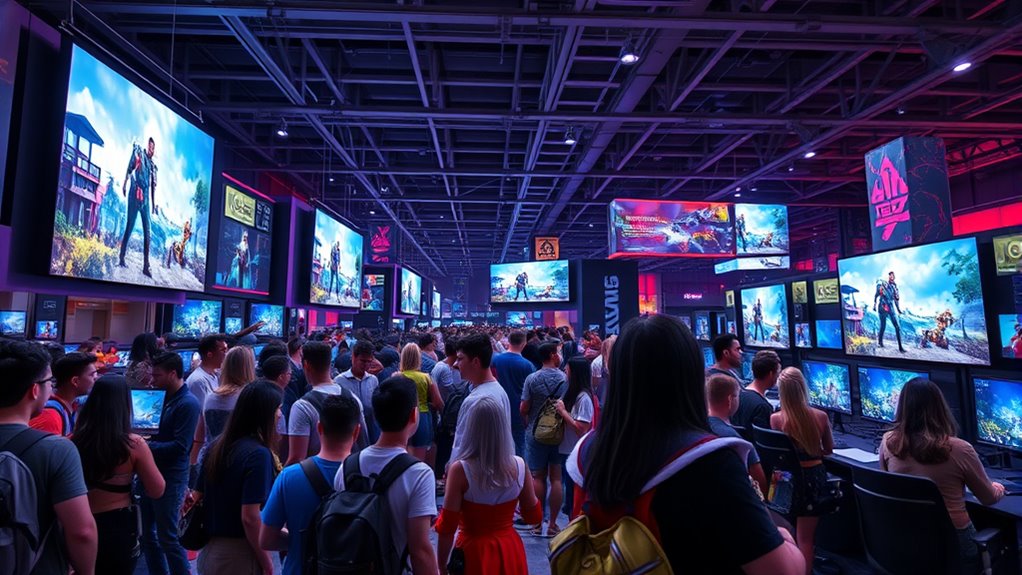

Successful video game adaptations finally work because they focus on faithful storytelling and authentic characters rather than just flashy visuals or action. By staying true to the core story, tone, and emotional beats, they connect more deeply with fans and newcomers alike. This approach builds trust and creates an immersive experience that respects the source material. Want to discover how balancing these elements transforms adaptations? Keep exploring to see what makes them truly resonate.
Key Takeaways
- Successful adaptations prioritize narrative fidelity, capturing the game’s core story, themes, and emotional beats.
- Authentic character development enhances viewer connection and maintains the game’s original atmosphere.
- Balancing storytelling with visuals ensures an immersive experience that respects the source material.
- Avoiding overemphasis on spectacle prevents disconnects and preserves emotional engagement.
- Respecting the game’s unique elements and fan expectations results in more genuine and compelling adaptations.
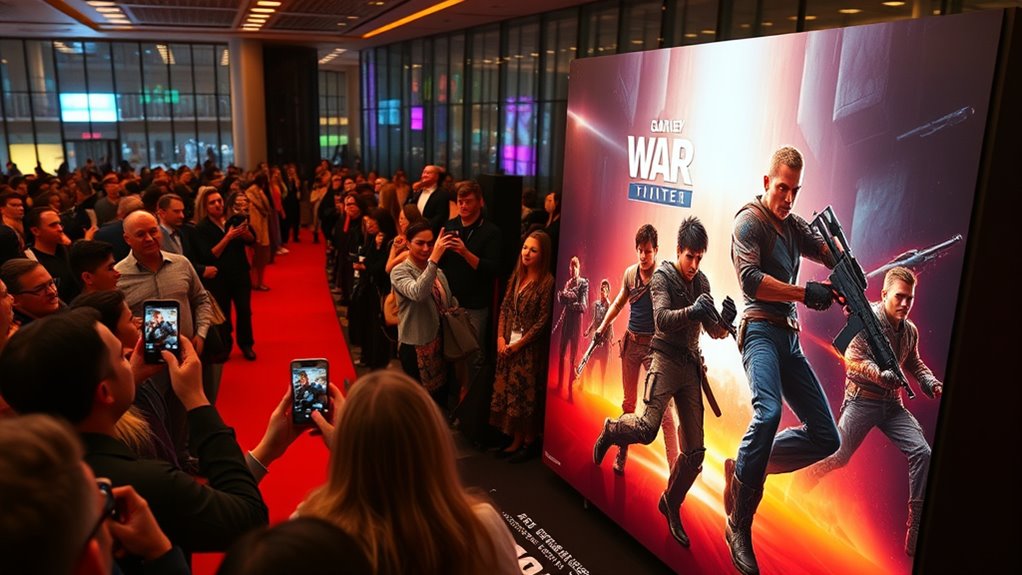
Have you ever wondered why some video game adaptations succeed while others fall flat? It often comes down to how well the adaptation captures the essence of the game’s story and characters. When a film or TV show stays true to the narrative fidelity of the original game, it resonates more with fans who already love the source material. This means respecting the core story, tone, and themes that made the game special. But it’s not just about sticking to the plot; character development plays a vital role, too. When characters are brought to life with depth, motivation, and growth, viewers connect more deeply. This connection makes the adaptation feel authentic and engaging, rather than just a watered-down version of the game.
Successful adaptations understand that narrative fidelity isn’t about copying every scene or dialogue verbatim. Instead, they focus on capturing the spirit and emotional beats that made the game memorable. For example, if a game’s appeal lies in its suspense and mystery, the adaptation should preserve that atmosphere. When it does, fans see a reflection of their beloved game, which builds trust and anticipation. Additionally, strong character development allows the audience to see familiar characters grow and evolve within the new medium. This makes the story more compelling and helps bridge the gap between the interactive experience of gaming and the passive experience of watching a film or series. Moreover, understanding the mechanics of storytelling can help creators craft adaptations that resonate on a deeper level.
Many less successful adaptations overlook these elements, rushing to add flashy visuals or action sequences at the expense of story and character. They often neglect the importance of narrative fidelity, resulting in a product that feels disconnected from the source material. Without characters that feel authentic and a story that respects the original’s emotional core, fans are left disappointed. Conversely, when creators invest in crafting well-rounded characters and maintain narrative fidelity, they create more than just a visual spectacle—they craft an immersive experience. This approach not only satisfies existing fans but also attracts new audiences who appreciate well-told stories and complex characters.
In the end, it’s the balance of faithful storytelling and character development that makes a video game adaptation truly work. When done right, it’s like bringing the game’s universe to life on screen, respecting the elements that made the game special while offering fresh insights. That’s when adaptations succeed, turning fans into believers and drawing in newcomers enthusiastic to explore the worlds they’ve been longing for.
![The Hunger Games: Complete 4 Film Collection [Blu-ray]](https://m.media-amazon.com/images/I/51K-RUwtUlL._SL500_.jpg)
The Hunger Games: Complete 4 Film Collection [Blu-ray]
Movie dvd
As an affiliate, we earn on qualifying purchases.
As an affiliate, we earn on qualifying purchases.
Frequently Asked Questions
How Do Developers Choose Which Games to Adapt?
You choose which games to adapt based on game licensing and creative direction. Developers look for titles with strong fan bases and compelling stories that translate well to film or TV. They consider licensing rights and whether they can expand the universe creatively. If a game has a unique appeal and potential for immersive storytelling, you’re more likely to pursue it, ensuring the adaptation resonates with fans and expands the franchise effectively.
What Role Do Fans Play in Adaptation Success?
Fan influence and community feedback play a essential role in adaptation success. You, as a fan, shape expectations through your enthusiasm and critiques, encouraging developers to stay true to the source material. When your feedback is considered, it helps creators refine storytelling, gameplay, and visuals. This active engagement fosters a collaborative environment, ensuring adaptations resonate more deeply with fans and ultimately increase their chances of success.
Are There Specific Genres Better Suited for Film?
Imagine a genre crossover where fantasy meets sci-fi, capturing your imagination with layered worlds. You’ll find that genres with simpler narrative structures, like platformers or racing games, adapt more smoothly to film. Conversely, genres with high narrative complexity, such as RPGs, require careful storytelling. Your engagement deepens when filmmakers embrace these nuances, creating films that resonate with both fans and newcomers alike.
How Do Adaptations Balance Fidelity and Creativity?
You balance fidelity and creativity by maintaining visual fidelity to the game’s iconic look while introducing narrative innovation that expands the story beyond the original. You stay true to key elements that fans love, but don’t hesitate to explore new storytelling techniques, character development, or gameplay-inspired sequences. This approach guarantees the adaptation feels authentic yet fresh, engaging both longtime fans and newcomers alike.
What Technological Advancements Impact Adaptation Quality?
You see, technological advancements like cutting-edge graphics and immersive VR dramatically boost adaptation quality. These innovations allow you to experience game worlds more vividly, making stories feel real and engaging. When filmmakers leverage these tools, they can faithfully recreate game environments while adding creative depth. As a result, audiences become more invested, and the adaptation captures the essence of the original game, making it more successful and authentic.

The Moth Presents: A Game of Storytelling
As an affiliate, we earn on qualifying purchases.
As an affiliate, we earn on qualifying purchases.
Conclusion
Now that video game adaptations finally work, it’s like watching a puzzle come together perfectly. You’ve seen how they’ve evolved from shaky beginnings to immersive stories that resonate with both gamers and newcomers. With better storytelling, talented creators, and respect for the source material, these adaptations are no longer just spin-offs—they’re genuine experiences. So, get ready to plunge into, because the future of gaming on screen is brighter than ever, like a beacon guiding you home.
The Emotion Thesaurus: A Writer's Guide to Character Expression (Second Edition) (Writers Helping Writers Series)
As an affiliate, we earn on qualifying purchases.
As an affiliate, we earn on qualifying purchases.

Mechanism Gaming Pillow for Steam Deck OLED & LCD | Experience Zero Gravity Gaming with Our LCD & OLED Steam Deck Accessories | Ridiculously Soft Machine Washable Pillow for Gamers (Steamdeck Grip)
Engineered for Steam Deck OLED & LCD Consoles: Includes our Deckmate grip designed specifically for the Steam Deck…
As an affiliate, we earn on qualifying purchases.
As an affiliate, we earn on qualifying purchases.