

Functional foods contain scientifically supported ingredients called bioactive compounds, like polyphenols, flavonoids, and carotenoids, found in fruits, vegetables, grains, and legumes. These compounds have proven health benefits, such as reducing inflammation, supporting immunity, and lowering chronic disease risks. By including more of these foods in your diet, you can naturally boost your health and defenses. Exploring how these ingredients work can help you make smarter choices for wellness.
Key Takeaways
- Bioactive compounds like polyphenols, flavonoids, and carotenoids have proven health benefits supported by scientific studies.
- Evidence shows these ingredients can help reduce inflammation, lower chronic disease risk, and improve immune function.
- Whole foods such as berries, green tea, nuts, and vegetables are rich sources of bioactive compounds with documented effects.
- Research indicates that consuming a variety of bioactive-rich foods offers synergistic health benefits over isolated supplements.
- Scientific evidence supports incorporating specific bioactive ingredients in functional foods to promote overall wellness and disease prevention.
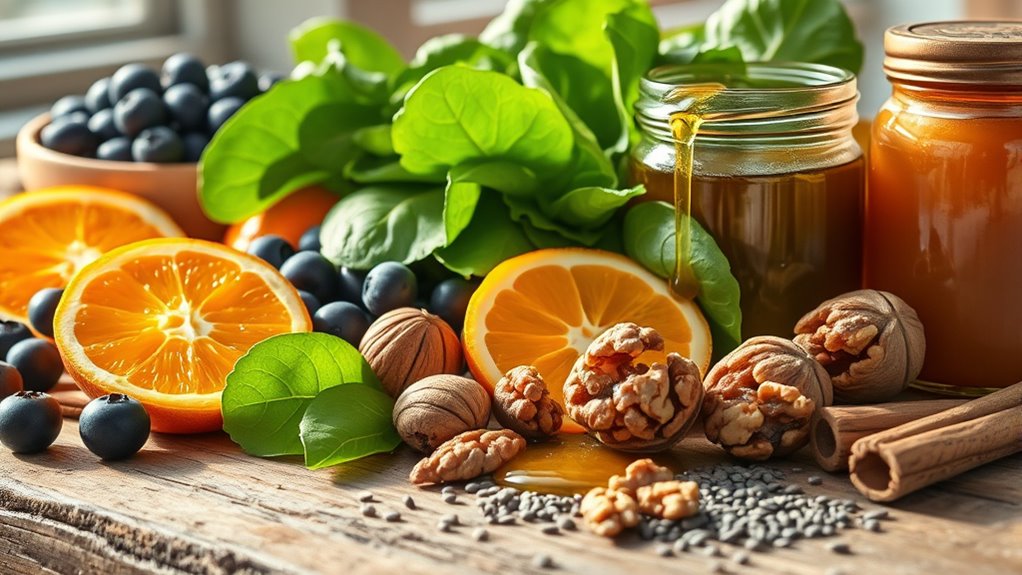
Have you ever wondered if certain foods can do more than just satisfy your hunger? The answer lies in the powerful components known as bioactive compounds. These naturally occurring substances are found in many functional foods and are responsible for much of their health benefits. Unlike basic nutrients like carbs, fats, and proteins, bioactive compounds have specific effects on your body’s processes, helping to prevent disease and support overall wellness. When you include foods rich in these compounds in your diet, you’re not just fueling your body—you’re actively enhancing its ability to protect itself and function at its best.
Many fruits, vegetables, whole grains, and legumes contain bioactive compounds such as polyphenols, flavonoids, and carotenoids. These substances are associated with a range of health benefits, including reducing inflammation, supporting immune function, and lowering the risk of chronic diseases like heart disease and certain cancers. For example, the antioxidants in berries and dark leafy greens help neutralize free radicals that can damage cells, potentially decreasing the likelihood of developing degenerative conditions over time. Similarly, compounds in foods like tomatoes and carrots, such as lycopene and beta-carotene, have been linked to improved cardiovascular health. Additionally, research suggests that consuming a variety of these foods can enhance your body’s natural defenses through immune support.
Incorporating these foods into your diet can be a strategic way to boost your well-being. It’s not just about eating more fruits and vegetables, but about choosing options that are rich in specific bioactive compounds known for their health benefits. For instance, drinking green tea provides catechins, which studies have shown to support heart health and aid weight management. Similarly, consuming nuts and seeds supplies healthy fats along with bioactive compounds that can improve cholesterol levels and reduce inflammation. The key is variety; different foods contain different bioactive compounds, so a diverse diet ensures you get a broad spectrum of health benefits.
Research continuously uncovers new evidence about how these compounds work and how much you need to see real health improvements. While taking supplements might seem tempting, eating a variety of functional foods offers a natural and sustainable way to harness their benefits. The bioactive compounds in these foods work synergistically with other nutrients, amplifying their positive effects. So, by making mindful choices about the foods you eat, you’re actively supporting your body’s defenses, improving your mood, and potentially lowering your risk for chronic illness. Remember, your diet is a powerful tool—use it to include foods rich in bioactive compounds and enjoy the tangible health benefits they bring.

ULTRA FUEGO Power Cage, Multi-Functional Power Rack with J-Hooks, Dip Handles, Landmine Attachment and Optional Cable Pulley System for Home Gym (Power Cage with Pulley System)
STRONG AND STURDY:This power cage with pulley system has been built with precise laser cutting and powder coated...
As an affiliate, we earn on qualifying purchases.
Frequently Asked Questions
How Do Functional Foods Differ From Dietary Supplements?
Functional foods differ from dietary supplements because they are designed to be part of your regular diet, providing health benefits through bioavailability factors that enhance nutrient absorption. They meet strict regulatory standards for safety and labeling, ensuring quality and consistency. In contrast, dietary supplements are usually concentrated products taken separately, often with less oversight. This means functional foods integrate health benefits naturally, while supplements offer targeted doses outside typical meals.
Are There Any Risks Associated With Consuming Functional Foods Regularly?
Like walking a tightrope, consuming functional foods regularly carries potential risks. You might face allergenicity if you’re sensitive to ingredients, and nutrient interactions could impact absorption or effectiveness. While they’re generally safe, overdoing it may lead to unexpected health issues. Always check labels and consult with a healthcare professional, especially if you have allergies or are taking medications, to enjoy their benefits without tipping the balance.
Can Functional Foods Replace Traditional Medications for Health Issues?
You shouldn’t rely solely on functional foods to replace traditional medications. While they offer health benefits, natural ingredients can be more effective than synthetic ones, but they aren’t cures. The placebo effect may also influence your perception of their benefits. Always consult your healthcare provider before making changes, as functional foods are best used as supplements alongside, not substitutes for, prescribed treatments.
Which Populations Benefit Most From Functional Foods?
If you think functional foods are your magic bullet, think again. Elderly individuals, focusing on their nutrition, benefit most, especially for chronic disease prevention. You’re likely to find that these foods support aging bodies, boost immunity, and help manage ailments. So, if you’re aiming to keep your health in check without turning to pharmaceuticals, incorporating functional foods into your diet could be just what your aging self needs.
How Can I Identify Authentic Functional Food Products?
To identify authentic functional food products, start by checking ingredient verification on labels, ensuring they list active ingredients supported by scientific evidence. Look for clear, accurate label claims and reputable certifications or seals from trusted organizations. Avoid products with vague or exaggerated health claims, and research the brand’s reputation. By focusing on label accuracy and ingredient verification, you can confidently select products that genuinely offer the functional benefits you’re seeking.

SPORTSROYALS RK2 Power Rack, Multi-Functional Power Cage, Squat Rack with Pulley System & LAT Pull Down, Workout Cage with J Hooks for Home Gym
【No Worry Buying】: We’ve shipped the Power Cage in 2 packages to reduce the potential transit damage to...
As an affiliate, we earn on qualifying purchases.
Conclusion
Now that you know which ingredients truly boost your health, imagine what discovering the next breakthrough could mean for you. Will the next functional food ingredient revolutionize your wellness routine? Stay curious, because science keeps evolving, and so should your choices. Keep exploring, and you might just unseal the secret to feeling your best every day. The journey to better health is ongoing—and who knows what exciting discoveries lie just around the corner?

Major Fitness Drone2 Premium Smith△ Machine, All-in-One Home Gym Squat Rack with Aluminum Pulley Set, Weight Bar (BK D2AW Package(with Black Bench+230lb))
All-in-One Home Gym System - The Drone2 Premium Machine offers everything you need in a home gym setup,...
As an affiliate, we earn on qualifying purchases.

RitFit M1 Pro SmithMachine with Cable Crossover System, Multi-Function Squat Rack Power Cage for Home Gym, Power Rack and Packages Black(bp260 Package)
Efficient Smith Machine: The Smith Machine with Cable Crossover System is made of heavy-duty 2”x2” steel uprights. Overall...
As an affiliate, we earn on qualifying purchases.