
Many believe that taking probiotics instantly fixes gut issues, but the truth is maintaining a healthy microbiome requires daily effort. While supplements can support digestion and immunity, they aren’t magic cures—your microbiome needs consistent care. Myths like only needing probiotics during illness overlook the importance of balanced bacteria and enzymes for overall gut health. Keep exploring these facts, and you’ll discover how to truly nurture your digestive system for long-term wellness.
Key Takeaways
- A balanced microbiome supports immunity, digestion, and mental clarity, not just disease prevention.
- Probiotics replenish beneficial bacteria but are part of daily gut maintenance, not instant cures.
- Digestive enzymes assist nutrient absorption and reduce discomfort, regardless of diet quality.
- Myths suggest quick fixes; consistent gut nurturing with probiotics and enzymes promotes long-term health.
- Gut health is complex; understanding microbiome functions and supporting it with proper nutrients debunks common myths.
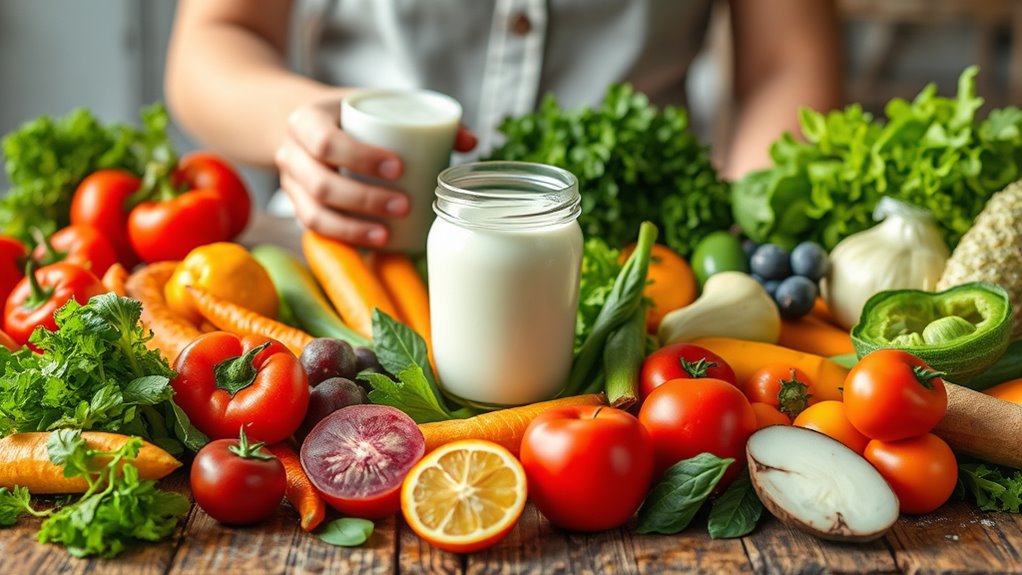
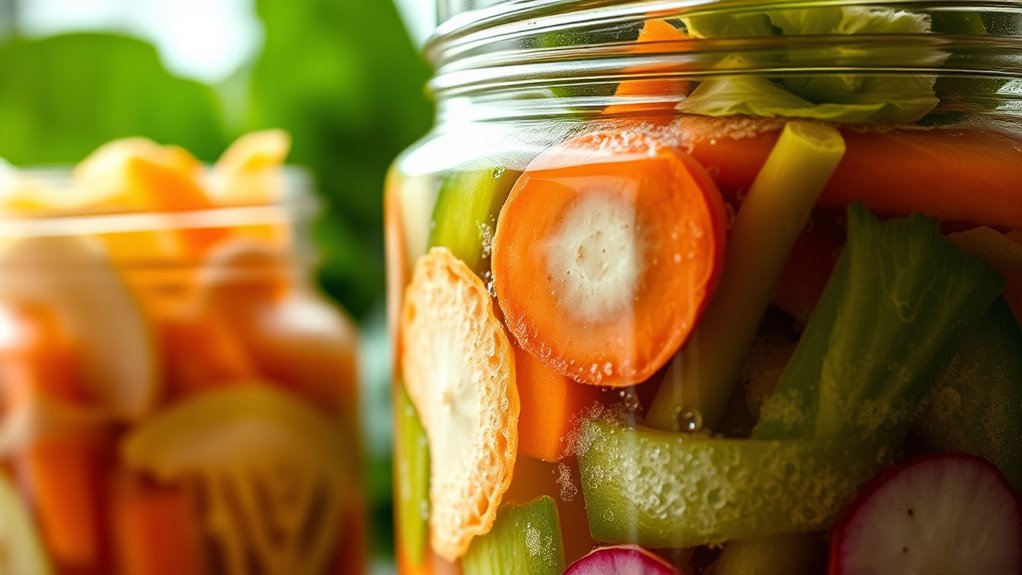
Have you ever wondered how your gut influences your overall health? The truth is, your digestive system isn’t just about breaking down food; it’s a complex ecosystem that impacts everything from immunity to mental clarity. Central to this system are probiotics and digestive enzymes, which play essential roles in maintaining gut harmony. You might have heard that taking probiotics can boost your health, but understanding their benefits helps you make better choices. Probiotic benefits include replenishing beneficial bacteria in your gut, supporting digestion, and strengthening your immune defenses. When your gut microbiome is balanced, you’re less likely to experience issues like bloating, diarrhea, or constipation. Incorporating probiotic-rich foods like yogurt, kefir, or fermented vegetables can bolster your gut’s bacterial diversity, leading to improved digestion and overall well-being.
Digestive enzymes are equally important, yet often overlooked. These enzymes are biological catalysts that help break down food into absorbable nutrients. When your body produces enough digestive enzymes, your digestion runs smoothly, and you absorb more nutrients from your meals. If enzyme production is compromised—due to aging, stress, or certain health conditions—you might notice symptoms like indigestion, gas, or nutrient deficiencies. Supplementing with digestive enzymes can provide quick relief and support your gut’s natural processes. It’s a straightforward way to enhance nutrient absorption and reduce discomfort after meals. Many enzyme supplements include amylase, lipase, and protease, each targeting different types of food components—carbohydrates, fats, and proteins, respectively.
Additionally, some research indicates that optimized enzyme activity can improve overall gut function and reduce gastrointestinal discomfort, further emphasizing the importance of supporting your digestive system. Understanding the difference between myths and facts about gut health is essential. For example, some believe that probiotics are only useful when you’re sick, but in reality, maintaining a healthy microbiome regularly helps prevent illness and supports mental health. Others assume that digestive enzymes are unnecessary if you eat healthy, but even a balanced diet might not supply enough enzymes if your body isn’t producing enough. The key is recognizing that both probiotics and digestive enzymes serve as tools to optimize digestion and gut health, not magic cures. Incorporating these into your routine can make a tangible difference. It’s not about quick fixes but about nurturing your gut daily to promote long-term health. By understanding these fundamental components, you’re better equipped to debunk myths and embrace what truly supports your digestive wellness.
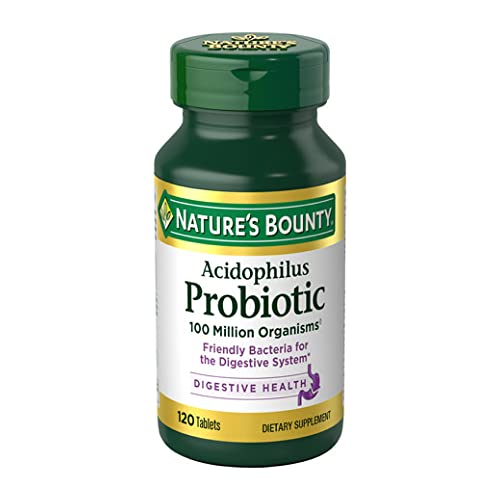
Nature's Bounty Lactobacillus Acidophilus Probiotic Supplement – Daily Probiotic for Women/Men Digestive Health, 100 Million Organisms, Vegetarian, 1 Serving per Day, 120 Tablets
SUPPORTS DIGESTIVE HEALTH (1): Nature’s Bounty Lactobacillus probiotic tablets provide 100 million active cultures; supporting your digestive health…
As an affiliate, we earn on qualifying purchases.
As an affiliate, we earn on qualifying purchases.
Frequently Asked Questions
Can Probiotics Permanently Alter My Gut Microbiome?
Probiotics can temporarily influence your microbiome, but they don’t usually cause permanent changes. Your microbiome stability varies, and probiotic colonization often depends on your existing gut environment. While some strains might stick around longer, most probiotics don’t permanently alter your microbiome. To maintain benefits, consistent intake and a healthy diet are essential. Remember, your gut is dynamic, and long-term changes require ongoing support.
Do All Fermented Foods Benefit Everyone Equally?
Like the fabled tale of Pandora’s box, not all fermented foods benefit everyone equally. Your individual response to fermented foods varies, influenced by your unique microbiome. While many find benefits like improved digestion and immunity, some may experience bloating or no effect at all. It’s wise to listen to your body, experiment cautiously, and consult a healthcare professional to determine which fermented foods best support your gut health.
Is There a Specific “Best” Diet for Gut Health?
There isn’t a one-size-fits-all “best” diet for gut health because personalized nutrition matters. Focus on incorporating dietary diversity, eating various fruits, vegetables, whole grains, and fermented foods to support your microbiome. Pay attention to how your body responds, and adjust accordingly. Staying consistent with these habits helps promote a balanced microbiome, which is key to overall gut health. Remember, listening to your body’s signals is essential.
How Long Does It Take to See Gut Health Improvements?
You’ll start noticing microbiome recovery and symptom improvement within a few days to a few weeks, but don’t expect miracles overnight—your gut isn’t a microwave. Patience is key. Typically, consistent dietary changes and probiotics take about 2-4 weeks to show significant results. So, keep at it, and remember, your gut’s health journey is more marathon than sprint—so don’t rush the process.
Are Antibiotics Always Harmful to Gut Microbiome Diversity?
Antibiotics aren’t always harmful to your gut microbiome diversity, especially when used appropriately. They can temporarily disrupt microbiome resilience, but in many cases, your gut can recover fully. To protect your microbiome, consider antibiotic alternatives like probiotics or natural remedies when suitable. Always consult your healthcare provider to balance the benefits and risks, ensuring your gut health remains strong and resilient even after antibiotic use.

NOW Foods Supplements, Super Enzymes, Formulated with Bromelain, Ox Bile, Pancreatin and Papain,180 Capsules
SUPPORTS HEALTHY DIGESTION*: NOW Super Enzymes is a comprehensive blend of enzymes that supports healthy digestion.* Take one…
As an affiliate, we earn on qualifying purchases.
As an affiliate, we earn on qualifying purchases.
Conclusion
So, after all this talk about bugs and balance, it’s funny how we’ve been overthinking gut health. Turns out, just eating a varied diet and not obsessing over every probiotic myth might be the best approach. Ironically, the simpler the habits, the healthier your microbiome can be. So next time you fret about the perfect supplement, remember: sometimes, less really is more—your gut’s secret to thriving might be just that easy.
![Raw Organic Fermented Probiotic Sauerkraut, "Purple Cabbage" Variety [Vegan, Gluten Free, Non-GMO, Probiotic] 16oz Glass Jar by Wise Goat Organics](https://m.media-amazon.com/images/I/41lFSjB8VbL._SL500_.jpg)
Raw Organic Fermented Probiotic Sauerkraut, "Purple Cabbage" Variety [Vegan, Gluten Free, Non-GMO, Probiotic] 16oz Glass Jar by Wise Goat Organics
Probiotic Rich for Gut Health – Our sauerkraut is traditionally fermented for an extended period of time to…
As an affiliate, we earn on qualifying purchases.
As an affiliate, we earn on qualifying purchases.

Microbiome Labs Pregnancy Support – Prenatal & Postpartum Probiotics for Women – Probiotic Supplements to Support Gut Health & A Balanced Vaginal Microbiome Through Breastfeeding (30 Capsules)
Pre & Postnatal Probiotic for Mom & Baby Support – Designed for use during pregnancy through breastfeeding. Unlike…
As an affiliate, we earn on qualifying purchases.
As an affiliate, we earn on qualifying purchases.