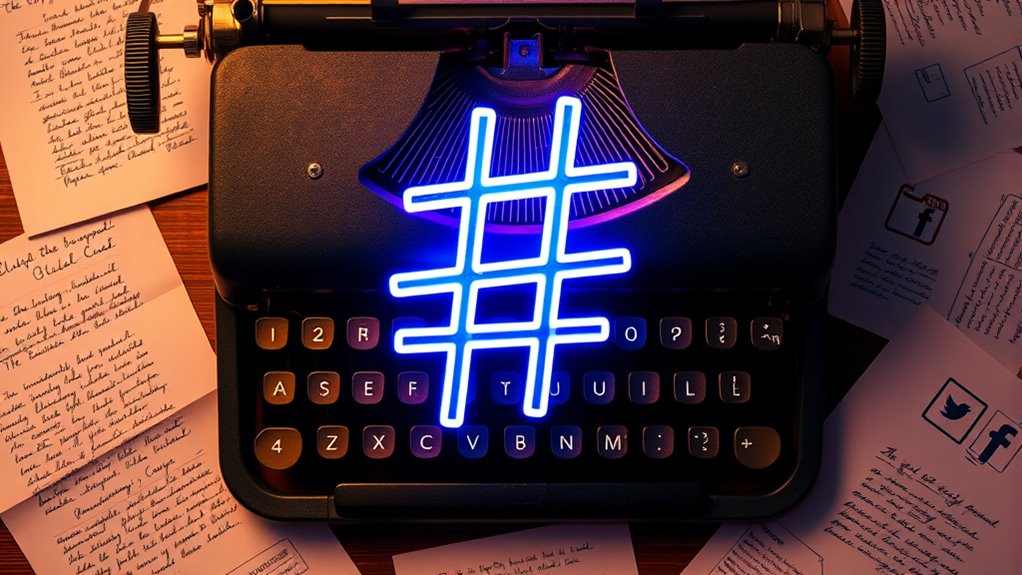

The hashtag started in 2007 when Chris Messina suggested using the “#” symbol on Twitter to organize conversations around topics. It quickly grew popular, becoming a way to group related content and spark social movements like #BlackLivesMatter and #MeToo. Hashtags now influence online trends, amplify voices, and promote activism globally. If you’re curious about how this simple symbol transformed digital communication, you’ll discover even more about its powerful journey beyond what you know.
Key Takeaways
- The hashtag was first proposed by Chris Messina on Twitter in 2007 to organize related tweets.
- It evolved from a content categorization tool to a symbol for social activism, notably in movements like #BlackLivesMatter and #MeToo.
- Hashtags enable viral trends, amplify marginalized voices, and facilitate rapid global awareness and mobilization.
- Their development parallels technological advances, enhancing online engagement and community participation.
- Today, hashtags serve as powerful symbols for connection, activism, and shaping social media conversations worldwide.

Have you ever wondered how a simple symbol transformed into a global social media phenomenon? The hashtag, represented by the pound or number sign , started as a useful way to categorize content but quickly evolved into a powerful tool for digital activism and shaping social media trends. It’s fascinating to see how this tiny symbol accessed new ways for people worldwide to connect, voice their opinions, and organize around shared causes. You might not realize it, but the hashtag’s journey reflects the broader evolution of online communication and activism, turning individual voices into collective movements.
The hashtag has evolved from a simple symbol into a powerful tool for online activism and global connection.
The origin of the hashtag dates back to the early days of Twitter in 2007. A software developer named Chris Messina suggested using the pound sign to group related tweets. His idea was simple but effective—by adding a hashtag, users could easily find and follow conversations on specific topics. This innovation caught on quickly, and soon, hashtags became a staple of social media trends. They allowed users to participate in larger conversations, rally around social issues, and mobilize support more efficiently than ever before. As social media platforms expanded, so did the ways hashtags fueled digital activism. Movements like #BlackLivesMatter or #MeToo harnessed the power of trending hashtags to raise awareness, organize protests, and foster solidarity across borders. The hashtag became more than just a categorization tool; it became a symbol of collective action and social change.
You’ve probably seen how hashtags continue to shape social media trends today. They can go viral overnight, capturing global attention and sparking conversations that might have taken years to develop otherwise. Social media platforms now prioritize trending hashtags, amplifying voices that might have been marginalized. This dynamic creates a feedback loop where hashtags help spread awareness rapidly, fueling digital activism and community engagement. Additionally, the rise of 4K resolution and HDR support in projectors showcases how technological advancements enhance visual experiences, paralleling how the evolution of hashtags enhances social engagement. Whether it’s raising funds for disaster relief, advocating for political reform, or simply sharing a funny meme, hashtags serve as rallying points that unite individuals around a common purpose. They give a voice to the voiceless and can turn online chatter into real-world change.
In essence, the journey of the hashtag from a simple symbol to a tool for digital activism underscores its significance in shaping social media trends and collective consciousness. Its evolution demonstrates how a small innovation can have a profound impact on global conversations and social movements. Today, as you scroll through your feeds, you’re witnessing the ongoing power of the hashtag—an emblem that continues to unite, mobilize, and inspire millions around the world.
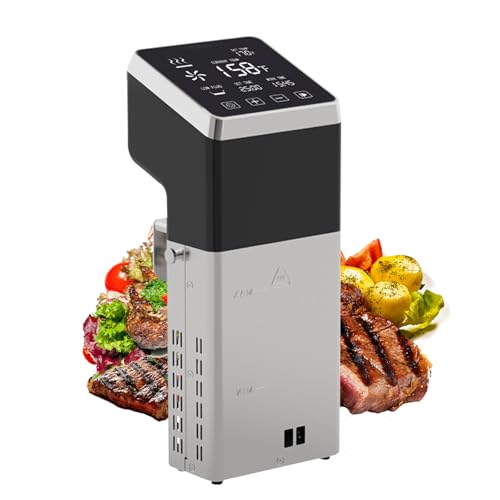
Commercial Sous Vide Precision Cooker 1400W | Fast-Heating Immersion Circulator | Thermal Sous Vide Machine with Accurate Temperature & Timer | IPX7 Waterproof | Quiet | For Restaurants & Home Kitchen
PROFESSIONAL SOUS VIDE COOKER – High-performance immersion circulator with fast water circulation, precise temperature control, and efficient heating...
As an affiliate, we earn on qualifying purchases.
Frequently Asked Questions
How Did the Hashtag Gain Popularity Before Social Media?
You saw the hashtag gain popularity through offline activism and meme culture before social media. People started using hashtags in protests and rallies to unify messages, making them more visible. Then, hashtag memes spread rapidly online, reinforcing their impact. This combination helped the hashtag become a powerful tool for awareness and engagement, paving the way for its dominance in social media conversations today.
Who Was the First Person to Use the Hashtag Online?
You might be surprised to learn that Chris Messina was the first person to use the hashtag online in 2007. He introduced it as part of early internet trends and online activism to organize conversations more effectively on Twitter. His idea quickly caught on, transforming hashtags into a powerful tool for social movements, marketing campaigns, and community building, making it a staple in digital communication and activism worldwide.
How Has Hashtag Usage Evolved Across Different Platforms?
You see hashtag usage has evolved a lot across different platforms. On Twitter, hashtags became key for trending topics and boosting user engagement, while on Instagram, they help categorize content and reach wider audiences. TikTok users often create trending hashtags to join viral challenges, increasing interaction. Overall, hashtags now serve as tools to connect communities, promote campaigns, and enhance visibility, adapting to each platform’s unique style to keep users engaged and conversations lively.
What Are Some Notable Campaigns Initiated by Hashtags?
You’ve seen hashtags spark viral campaigns like #IceBucketChallenge and #BlackLivesMatter, which spread awareness and foster community. These social movements leverage hashtags to rally support, share stories, and create impact globally. By participating in or creating such campaigns, you can amplify your message, engage others, and contribute to meaningful change. Hashtags turn simple words into powerful tools for social influence and collective action.
How Do Hashtags Influence Modern Digital Marketing Strategies?
Think of hashtags as your digital compass, guiding your marketing efforts. They boost brand engagement and sharpen audience targeting by creating a unified conversation around your campaign. You leverage trending hashtags to tap into current topics, increasing visibility and interaction. Using strategic hashtags, you connect with specific demographics, foster community, and amplify your message. In today’s digital landscape, hashtags are essential tools to enhance your brand’s reach and relevance.

Sous Vide, Wancle Sous Vide Cooker 1100W IPX7 Waterproof Thermal Immersion Circulator With Reservation Function, Easy to store
✔[Good Performance Sous Vide] Wancle newly released 1100W high-performance sous vide cooker with as high as 1100W power...
As an affiliate, we earn on qualifying purchases.
Conclusion
As you reflect on the journey of the hashtag, picture it transforming from a simple symbol into a vibrant thread weaving communities together across the digital landscape. It’s become a beacon guiding voices through the noise, a spark igniting movements in the vast sea of social media. From its humble beginnings to global prominence, the hashtag remains a powerful tool—lighting up screens and shaping conversations, forever shaping how you connect, share, and make your mark in this interconnected world.
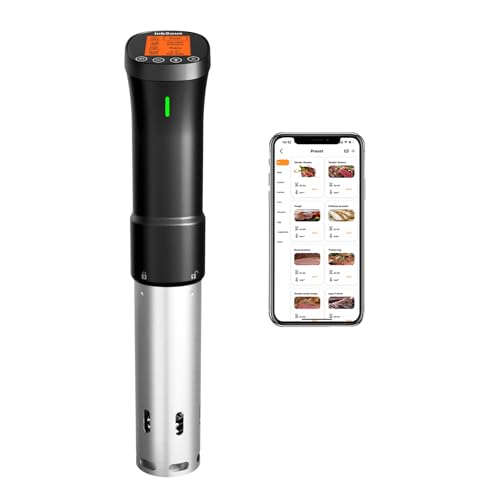
InkSous WIFI 2.4G Sous Vide Cooker 1000W Immersion Circulator with APP 14 Recipes,Alarm,Calibration & Timer, 3D Water Fast Heating Ultra-Quiet Sous Vide Machine
WIFI Sous Vide Enables Precision Cooking: Connect the InkSous 2.4GHz sous vide cooker ISSV-200-W to your 2.4GHz Wi-Fi...
As an affiliate, we earn on qualifying purchases.
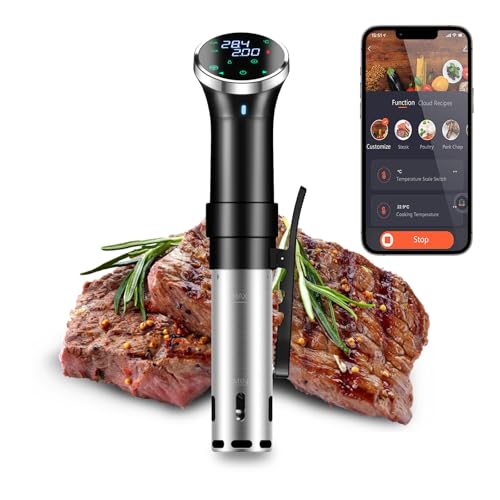
WiFi Sous Vide Cooker with APP Control,1100W Sous Vide Immersion, 3D Heating& LED Display for Home Chefs and Beginners, Party, Temperature Range 77-203℉ Ultra-Quiet Slow Cooking Sous-vide APP Control
PROFESSIONAL PRECISION COOKING: Sous vide machines provide a time window when food is at its best. Sous vide...
As an affiliate, we earn on qualifying purchases.