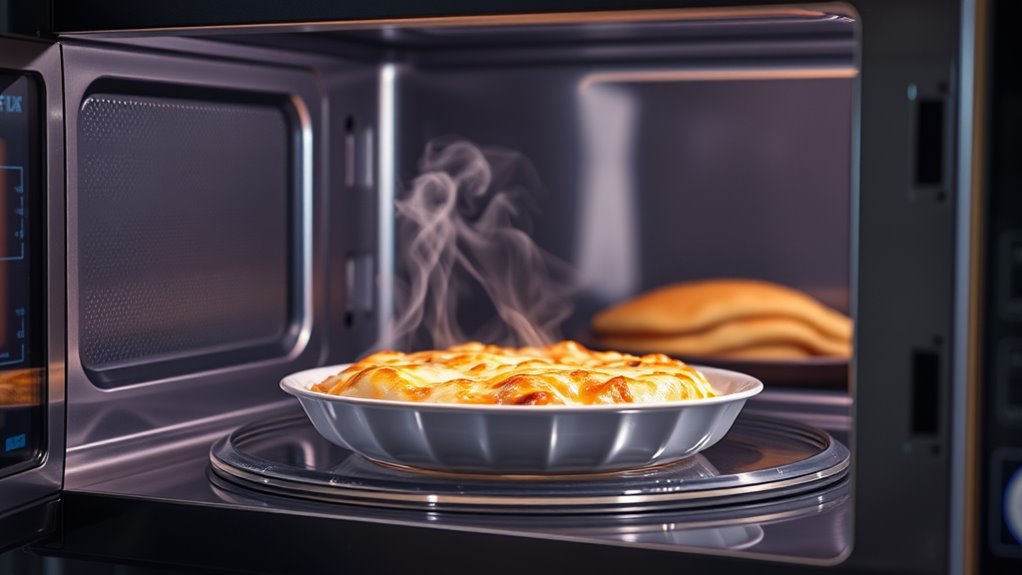

Microwaves heat food by generating electromagnetic waves, usually at a frequency of 2.45 gigahertz, which cause water, fat, and sugar molecules inside your food to vibrate rapidly. These molecular vibrations create friction, producing heat that warms the food from the inside out. This process is efficient and quick, thanks to the way microwaves target molecules directly. If you keep exploring, you’ll discover more about the science behind this everyday convenience.
Key Takeaways
- Microwaves generate electromagnetic waves that penetrate food, causing molecules to vibrate and produce heat.
- Water, fat, and sugar molecules are polar, rotating rapidly when exposed to microwave radiation.
- Rapid molecular vibration creates friction, which heats food from the inside out more quickly than conventional methods.
- Microwave ovens contain shielding and safety features to prevent radiation escape during operation.
- Proper use of microwave-safe containers and even heating ensure safety and effective cooking.
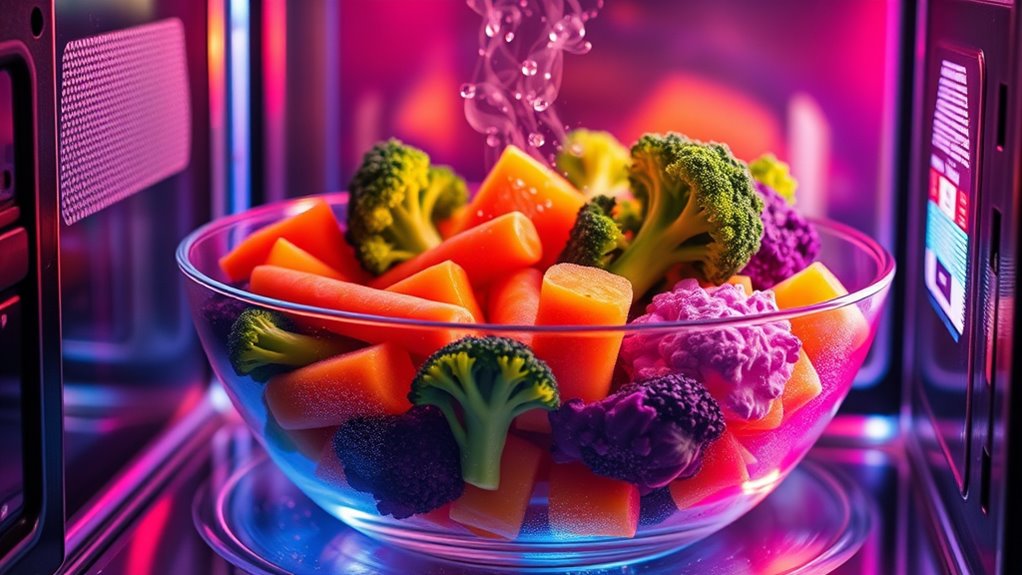
Have you ever wondered how a microwave heats your food so quickly? It’s a fascinating process that relies on the unique way microwaves interact with water, fat, and sugar molecules in your food. To understand this better, it helps to know a bit about the history of microwave ovens and the significance of microwave safety. When microwaves first appeared in the mid-20th century, they revolutionized cooking by offering a faster, more convenient way to prepare meals. Originally developed for military and industrial purposes, these appliances became household staples by the 1970s. Today, microwave safety remains a top priority, guaranteeing that users avoid potential hazards such as burns or exposure to microwave radiation.
Microwave ovens work by generating electromagnetic waves in the microwave frequency range, typically around 2.45 gigahertz. These waves are produced by a device called a magnetron, which converts electrical energy into microwave radiation. When you turn on your microwave, the magnetron emits these waves into the cooking chamber. The waves then bounce around, penetrating your food and causing the molecules inside to vibrate rapidly. This vibration generates heat, which warms up your food from the inside out—much faster than conventional ovens that rely on conduction and convection.
Microwaves heat food by causing water and fat molecules to vibrate rapidly with electromagnetic waves.
The key to this quick heating process lies in the way microwaves selectively target water, fat, and sugar molecules. These molecules are polar, meaning they have a positive and negative end. Microwave radiation causes these molecules to rotate back and forth as they try to align with the oscillating electromagnetic field. This rapid movement creates friction at the molecular level, producing heat. Because water molecules are abundant in most foods, microwaves efficiently heat food by exciting these molecules directly.
However, understanding microwave safety is vital. Modern microwave ovens are designed with shielding and safety interlocks that prevent microwaves from escaping during operation. Still, it’s important to avoid using damaged or modified appliances, as they could pose exposure risks. Always use microwave-safe containers—avoiding metal, which can cause sparks or fires—and ensure your food is heated evenly to prevent cold spots where bacteria can survive.
In essence, the microwave’s quick heating is a product of advanced technology rooted in its history, combined with principles of electromagnetic radiation and molecular physics. When operated correctly, it’s a safe, efficient way to warm your meals, transforming the way we prepare food every day.
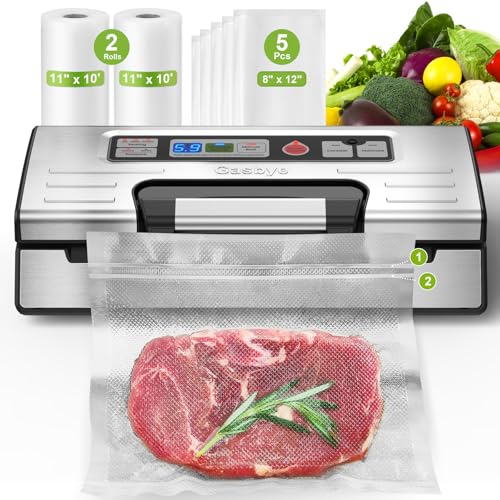
Gasbye 95kPa Precision Vacuum Sealer Machine, Double Heat Seal for Dry/Moist Food, Easy-Lock Handle, Built-in Bag Storage & Cutter, Progress Display, Pulse Mode, Removable Drip Tray, Silver
[95kPa Powerful Suction + Pulse Mode Control] Use Auto Vac & Seal for one-touch everyday sealing—powerful 95kPa suction...
As an affiliate, we earn on qualifying purchases.
Frequently Asked Questions
How Do Microwaves Heat Food Without Heating the Container?
You see, microwaves heat food through microwave dielectric heating, where electromagnetic wave interaction causes water, fats, and sugars inside the food to vibrate and generate heat. The container stays cool because it doesn’t absorb these waves as efficiently. Its material, like glass or certain plastics, reflects or transmits microwaves, preventing it from heating up while the food inside gets hot quickly and evenly.
Can Microwaves Cook Food Evenly Without Stirring?
Imagine you’re a knight in shining armor facing uneven battles—your microwave faces similar challenges with heating uniformity. Without stirring, microwave distribution can cause hot and cold spots, making your food unevenly cooked. While some models have turntables or stirrers to help, generally, stirring or repositioning food improves even heating. So, for the best results, don’t rely solely on microwave distribution; give your food a quick stir to avoid surprises.
Do Microwave Ovens Affect Food Nutritional Value?
Microwave ovens generally don’t harm nutrient retention when used properly, but excessive cooking or high power can lead to food degradation and nutrient loss. You might notice some vitamins, like C and B, decrease if food is overcooked. To preserve nutrients, use shorter cooking times and lower power settings. This way, you keep your food nutritious without risking unnecessary nutrient degradation.
Are There Foods That Shouldn’t Be Microwaved?
Think of your microwave as a busy city street—some roads are safe, others dangerous. You shouldn’t microwave foods to avoid or with non-microwave safe plastics, as they can melt or release harmful chemicals. Avoid heating eggs in shells, whole fruits, or hot peppers, which can burst or cause irritation. Stick to microwave-safe containers and foods, and you’re safe to enjoy quick, warm meals without surprises.
How Do Microwave Safety Features Prevent Radiation Leaks?
Microwave safety features prevent radiation leaks through effective microwave shielding and safety interlocks. You can trust the shielding, usually made of metal, to contain microwave radiation inside the oven. Safety interlocks automatically shut off the microwave when the door opens or if a door latch isn’t secure. These systems work together to guarantee that radiation stays inside, keeping you safe while you heat your food.

Chef Preserve Compact Vacuum Sealer for Food (Vacuum Sealer Machine + 30 Reusable Vacuum Bags) Powerful Handheld Vacuum Sealer Machine, Seal Meal Saver, Portable Food Sealer
💰 REDUCE WASTE AND SAVE MONEY: Chef Preserve keeps FOOD FRESH 5 TIMES LONGER than non-vacuum storage methods....
As an affiliate, we earn on qualifying purchases.
Conclusion
Now that you understand how microwaves heat your food, have you ever wondered what really happens at the molecular level when you press start? The process is more complex and fascinating than it seems. Next time you microwave a meal, think about the unseen dance of molecules working tirelessly to warm your food so quickly. There’s a whole world inside that tiny oven, and revealing its secrets might just change the way you see your everyday meals.
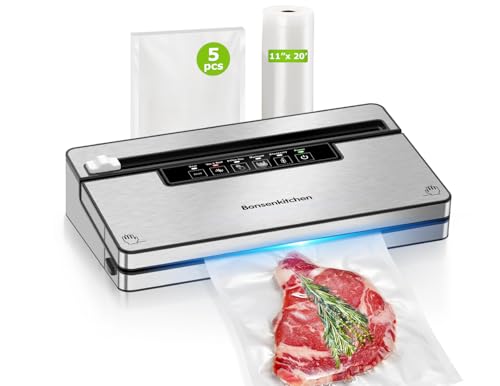
Bonsenkitchen Vacuum Sealer Machine, Stainless Steel Food Sealer Vacuum Sealers with 1 Roll & 5 Bags, 5 Food Vacuum Modes, Built-in Cutter & Bag Storage (Silver Black)
FAST & EFFICIENT: Equipped with unique airtight technology, Bonsenkitchen vacuum sealer machine vacuum seals 40 bags continuously in...
As an affiliate, we earn on qualifying purchases.

POTANE Precision Vacuum Sealer Machine, Powerful Pro Vacuum Food Sealer, 8-in-1 Easy Presets, 4 Food Modes, Dry&Moist&Soft&Delicate with Starter Kit, Compact Design(Silver)
KEEP FOOD FRESHER & SAVE MONEY: The POTANE VS2690 vacuum sealers use enhanced heating wires and brushless motor....
As an affiliate, we earn on qualifying purchases.