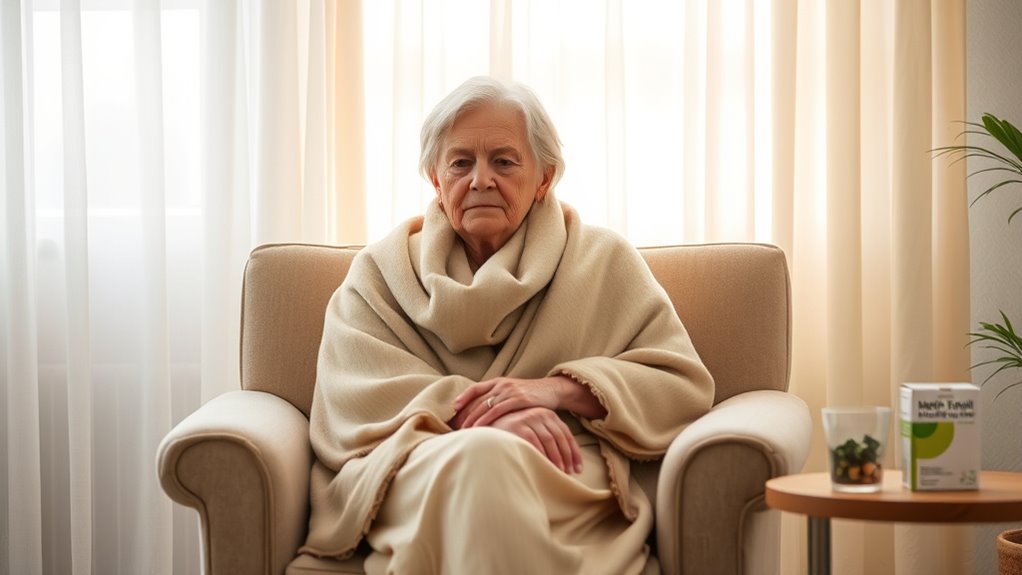

Menopause today involves hormonal shifts that cause symptoms like hot flashes, night sweats, mood swings, and fatigue. Managing these signs includes regular exercise, a healthy diet, stress reduction, and seeking support from loved ones or professionals. Hormonal or medical treatments can also help if needed. Understanding and addressing these changes can improve your comfort and confidence during this progression. If you’re curious about more ways to navigate menopause successfully, there’s plenty more to discover.
Key Takeaways
- Menopause involves hormonal changes causing symptoms like hot flashes, night sweats, sleep disruptions, and emotional shifts.
- Managing symptoms includes lifestyle adjustments, such as exercise, mindfulness, balanced diet, and seeking medical or hormonal therapy.
- Emotional well-being during menopause can benefit from support systems, therapy, and self-care strategies to handle mood swings and irritability.
- Awareness of hormonal fluctuations helps in planning daily activities and coping with fatigue, hot flashes, and mood changes.
- Building a strong support network and engaging in enjoyable activities promote resilience and overall well-being during menopause.
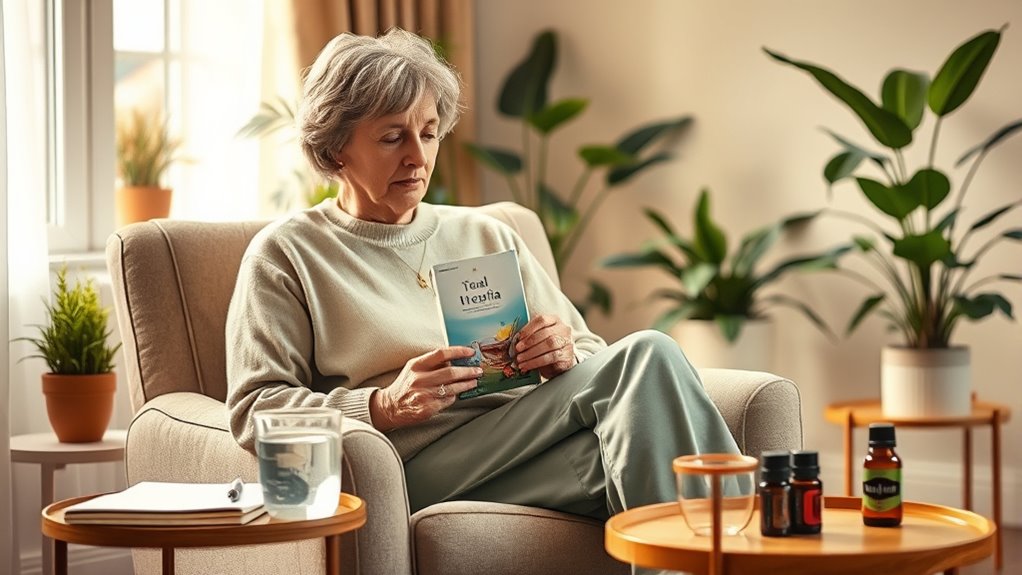
Menopause marks a significant change in a woman’s life, bringing about a variety of symptoms that can affect daily well-being. One of the most noticeable shifts you’ll experience involves hormonal changes. As your ovaries produce fewer hormones like estrogen and progesterone, your body reacts in ways that can feel unpredictable. These hormonal fluctuations are often responsible for hot flashes, night sweats, and disrupted sleep, but they also influence your emotional well-being. You might find yourself feeling more irritable, anxious, or even overwhelmed without a clear reason why. Recognizing that these emotional shifts are linked to hormonal changes can help you understand what’s happening internally, making it easier to manage the rollercoaster of feelings during this time.
Your emotional well-being is closely tied to these hormonal shifts. You may notice periods of mood swings or feelings of sadness that seem to come out of nowhere. It’s important to remember that these feelings are common and temporary, driven by the biological changes occurring in your body. Taking care of your mental health becomes just as important as managing physical symptoms. Engaging in regular exercise, practicing mindfulness or meditation, and ensuring you have a strong support system can help stabilize your mood. Don’t hesitate to seek professional support if your emotional well-being feels overwhelmed; therapy or counseling can provide valuable tools for coping. Hormonal changes can also affect your energy levels, leaving you feeling fatigued or less motivated, which in turn can impact your emotional state. A balanced diet and proper sleep hygiene can help mitigate these effects, making it easier to navigate the emotional ups and downs of menopause. Understanding the impact of hormonal fluctuations on mood and energy can further empower you to adopt effective coping strategies.
Understanding the connection between hormonal changes and emotional well-being empowers you to take proactive steps. Simple practices like staying connected with loved ones or participating in activities you enjoy can boost your mood. If you’re feeling persistently down or anxious, reaching out for medical advice can help identify if hormone therapy or other treatments are right for you. Remember, you’re not alone in this journey—many women experience similar changes, and support is available. Recognizing the signs early allows you to address them effectively, maintaining your mental and emotional health through this natural transition. Embracing these changes with awareness and care can help you feel more in control and resilient as you move through menopause.

TLIFE Massage Chair Full Body, 160°Zero Gravity Recliner with Body Scan, 50" SL-Track Shiatsu Massage Chair, Fixed Point Massage, Foot Rollers, 12 Auto Modes, Deep Yoga Stretch, Heating, Grey
Smart AI Features: Designed for various body types, the massager intelligently detects shoulder position, adjusts massage location and...
As an affiliate, we earn on qualifying purchases.
Frequently Asked Questions
Can Menopause Symptoms Be Completely Prevented?
You can’t completely prevent menopause symptoms, but you can manage them effectively. Hormone replacement therapy (HRT) often helps reduce hot flashes and mood swings, while making lifestyle adjustments like regular exercise, a balanced diet, and stress management can also ease symptoms. Staying proactive and consulting your healthcare provider allows you to develop a personalized plan to improve your quality of life during menopause.
Are There Natural Remedies for Menopause Discomfort?
Did you know that natural remedies can ease menopause discomfort? You might find herbal supplements like black cohosh or red clover helpful, along with dietary changes such as increasing phytoestrogen-rich foods. These options often work in harmony with your body, providing relief without medication. While results vary, exploring these natural approaches could be a gentle way to manage symptoms and support your well-being during this progression.
How Does Menopause Affect Mental Health Long-Term?
Menopause can impact your long-term mental health by causing hormonal fluctuations that influence mood and cognitive function. You might experience increased anxiety, depression, or struggles with emotional resilience. These changes can persist even after menopause, so it’s important to prioritize self-care, seek support, and consider therapies that help stabilize hormones. Building emotional resilience now can protect your mental well-being during this evolution and beyond.
What Are the Latest Treatments for Severe Symptoms?
If you’re dealing with severe menopause symptoms, recent treatments include hormone therapy and innovative medications. Hormone therapy helps balance your hormones and relieves hot flashes, night sweats, and mood swings. Innovative medications target specific symptoms like vaginal dryness and bone loss. These options aim to restore comfort, improve quality of life, and renew your confidence. Talk to your healthcare provider to explore personalized treatments that can help you feel better today and in the future.
Is Menopause Different for Women of Different Ethnicities?
Yes, menopause can differ for women of different ethnicities due to cultural perceptions and ethnic disparities. You might notice variations in symptoms, age at onset, and how menopause is experienced or managed. For example, some cultures view menopause positively, while others see it as a passage. These differences influence your treatment options and support systems, highlighting the importance of culturally sensitive care tailored to your unique background and needs.

Culanta Massage Chair Full Body, Zero Gravity SL-Track Shiatsu Massage Recliner Chair with Body Scan, Airbags, Foot Rollers, Deep Yoga Stretch, Heating (U1-Black)
Intelligent Massage: The power on automatically detects the user's body type and customizes the exclusive massage. Provides 5...
As an affiliate, we earn on qualifying purchases.
Conclusion
As you navigate this transformative chapter, remember it’s a natural passage that brings both challenges and wisdom. Embrace the gentle shifts with patience and compassion, knowing that support and understanding are always nearby. By tending to your well-being and honoring your journey, you’ll find grace in the subtle changes, celebrating the richness of this new phase. Ultimately, this time of progression can unfold into a period of renewal and self-discovery.

Real Relax 2026 Massage Chair Full Body,Zero Gravity SL-Track Shiatsu Massage Recliner with Upgraded Phone Controller and Holder,APP Control,Child Lock,Pause Button and Led Light,Favor-06,Black
2026 Upgraded Favor 06 Massage Chair: Added Phone controller, 2 in 1 phone holder, bring entertainment while massage....
As an affiliate, we earn on qualifying purchases.
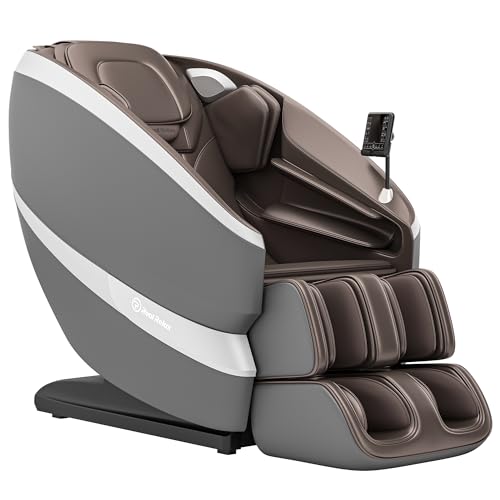
Real Relax Dual Core S Track Massage Chair,Full Body Recliner with Zero Gravity,Rocking Function,12 Auto Modes,Bluetooth,Foot Roller,Home or Office Use,Gray and Brown
About Real Relax: We have been developing massage chairs for over 10 years and have sold over 20...
As an affiliate, we earn on qualifying purchases.