
Mental health apps can offer you convenient access to support, personalized tools, and real-time feedback, helping you manage your mental well-being outside traditional settings. However, they have limits, such as not replacing professional care or handling emergencies effectively. Privacy concerns, data security, and varying effectiveness are important factors to contemplate. To make the most of these tools while staying safe, understanding their benefits and risks is essential—stick around for more insights on how to navigate these options wisely.
Key Takeaways
- Mental health apps increase access to support through virtual sessions, personalized plans, and real-time feedback.
- They handle sensitive data, requiring users to review privacy policies and control sharing settings.
- Effectiveness varies; apps may lack clinical regulation and are unsuitable for emergencies or severe conditions.
- Automated tools and chatbots may lack empathy, and apps cannot replace professional mental health care.
- Users should be aware of privacy risks, data sharing practices, and the limitations of app-based support.
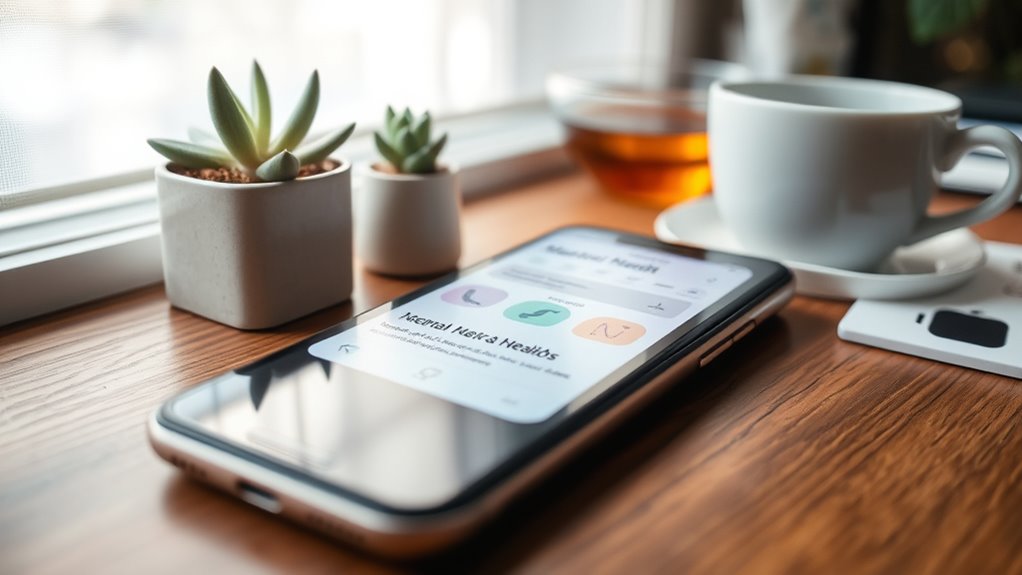
Mental health apps have become increasingly popular tools for managing stress, anxiety, and other mental health concerns. When you use these apps, you often find features like therapy integration, which allows you to connect with licensed professionals or access guided therapy sessions directly from your device. This integration makes mental health support more accessible, especially if traditional therapy isn’t always an option due to cost, location, or scheduling conflicts. Many apps now offer virtual sessions, personalized plans, and real-time feedback, giving you a flexible way to work on your mental health. However, it’s important to stay aware of how therapy integration varies between platforms. Some apps connect you with licensed therapists, while others provide automated tools or peer support, so knowing what kind of support you’re accessing helps you make informed choices.
As you explore these tools, data privacy becomes a critical concern. Mental health apps handle sensitive information, including your thoughts, feelings, and personal details. You should check the app’s privacy policies to understand how your data is collected, stored, and shared. Reputable apps prioritize data privacy and use encryption to protect your information, but not all platforms follow the same standards. Some may share your anonymized data for research or marketing purposes, which can feel intrusive if you’re not comfortable with it. Always opt for apps that explicitly state their privacy measures and give you control over your data, like options to delete your information or limit sharing. Being cautious about data privacy helps you maintain control over your personal mental health journey and prevents potential misuse. Additionally, understanding digital literacy can help you better navigate these apps and protect your online information.
While therapy integration and data privacy are significant benefits, they also highlight some limits of mental health apps. Not all apps are regulated or backed by clinical research, so their effectiveness might vary. You may find that automated tools or chatbots can’t fully replace the nuance and empathy a human therapist provides, especially for complex issues. Additionally, these apps aren’t suitable for emergency situations or severe mental health conditions. If you’re experiencing suicidal thoughts or a crisis, reaching out to a mental health professional or emergency services is essential. Relying solely on an app might give you a false sense of support or delay urgent care. Moreover, technology can sometimes fail to recognize cultural or individual differences, which can limit how personalized or relevant the support feels.

Tami Tami T450 Adjustable Bed Frame Split King (Sync Control as King) with Remote, Adjustable Base with Head&Foot Incline, Zero Gravity, Nightlight, Quiet Motor, Height-Adjustable Legs, Easy Assembly
【Customizable Comfort & Restful Sleep】This adjustable bed base can independently incline the head & foot. Raise the head...
As an affiliate, we earn on qualifying purchases.
Frequently Asked Questions
How Do Mental Health Apps Ensure User Privacy?
Mental health apps guarantee your privacy by implementing strong data security measures like encryption and secure servers. They also protect your user anonymity through anonymized data collection and optional login options. These practices prevent unauthorized access, ensuring your sensitive information stays confidential. You can trust that your personal details are safeguarded, allowing you to focus on your mental health journey without worrying about privacy breaches or data leaks.
Are Mental Health Apps Suitable for Severe Mental Health Issues?
Severe struggles demand specialized support, so mental health apps might not be suitable for you. They often lack the capacity for accurate severity assessments and emergency interventions needed during crises. If your condition is serious, you should seek immediate, professional help rather than relying solely on apps. While apps can supplement treatment, they aren’t substitutes for urgent, in-person intervention when severity spikes or safety becomes a concern.
Can Mental Health Apps Replace Traditional Therapy?
Mental health apps can’t fully replace traditional therapy, but they can complement it through therapy integration and boosting user engagement. You might find apps helpful for daily check-ins or managing mild symptoms, yet severe issues often require personalized, in-depth support from a professional. Using apps alongside therapy can enhance your progress, but relying solely on them may leave gaps in your mental health care.
What Are the Costs Associated With Mental Health Apps?
Did you know that the average mental health app subscription costs around $50 annually? You’ll find that many apps charge monthly or yearly subscription fees, which can add up over time. Be mindful of data security, as some apps may not have robust protections in place. While costs vary, it’s important to weigh subscription expenses against app features and privacy policies to make a safe, informed choice.
How Effective Are Mental Health Apps Compared to In-Person Treatment?
You find mental health apps quite effective for digital engagement and symptom tracking, especially for managing mild to moderate issues. They offer convenience and immediate support, but may not match the depth of in-person treatment for severe conditions. While apps can supplement therapy, they often lack personalized care and real-time professional interaction. Overall, they work best as a complementary tool rather than a full substitute for traditional, in-person mental health treatment.

Nectar Premier Split King Adjustable Base & 13” Mattress (New Version) - Head & Foot Incline - Medium Firm Memory Foam - Cooling Upgrade - 3 Massage Settings - 365-Night Trial & Forever Warranty
365-NIGHT HOME MATTRESS TRIAL - Our industry-leading year-long trial period starts the day your Nectar mattress is delivered....
As an affiliate, we earn on qualifying purchases.
Conclusion
Imagine mental health apps as a helpful lighthouse guiding you through stormy seas—offering direction and support when you need it most. While they can provide comfort and tools for managing your well-being, they’re not a substitute for professional help. Think of them as a beacon, shining light on your path, but sometimes you need a seasoned captain to navigate the rough waters. Use them wisely, knowing their limits, and seek help when your journey gets too turbulent.

Sven & Son Classic Adjustable Bed Base, Head and Foot Lift, Massage, Under-Bed Lights, USB, Gel Memory, Zero Gravity Smart Frame - Split King + 14 inch Hybrid Spring Matt (Medium Soft)
Unmatched Comfort & Adjustability: Elevate your sleeping experience with our head (up to 75°) and foot (up to...
As an affiliate, we earn on qualifying purchases.
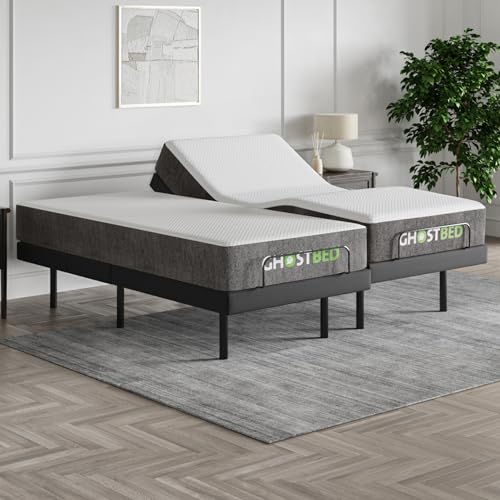
GhostBed Adjustable Base Bundled with 12" Hybrid Mattress in a Box with Memory Foam and Individually Wrapped Coils, Zero Gravity and Massage, Split King Adjustable Bed Frame with Mattress
Personalized Comfort Bundle: The GhostBed Adjustable Bed Frame Power Base allows you to elevate your head and feet...
As an affiliate, we earn on qualifying purchases.