
In 2025, minimalism is about intentionally decluttering your life to prioritize quality, well-being, and sustainability. You’ll focus on reducing digital distractions, keeping only what adds real value, and choosing durable, eco-friendly possessions. Setting boundaries and creating space allows deeper connections with what truly matters. This purposeful approach fosters a mindful lifestyle that’s simple, impactful, and aligned with your values. To learn how to integrate these principles effectively, keep exploring the next steps.
Key Takeaways
- Embrace sustainable, timeless possessions that prioritize quality, longevity, and eco-friendly materials for a purposeful minimalist lifestyle.
- Declutter digital environments by removing unnecessary apps and organizing files to enhance focus and mental clarity.
- Incorporate ergonomic and well-being solutions to create comfortable, stress-reducing physical and digital spaces.
- Practice mindful consumption by supporting ethical brands, reducing waste, and choosing reusable, repairable products.
- Set boundaries around social media and subscriptions to create space for meaningful experiences and personal growth.
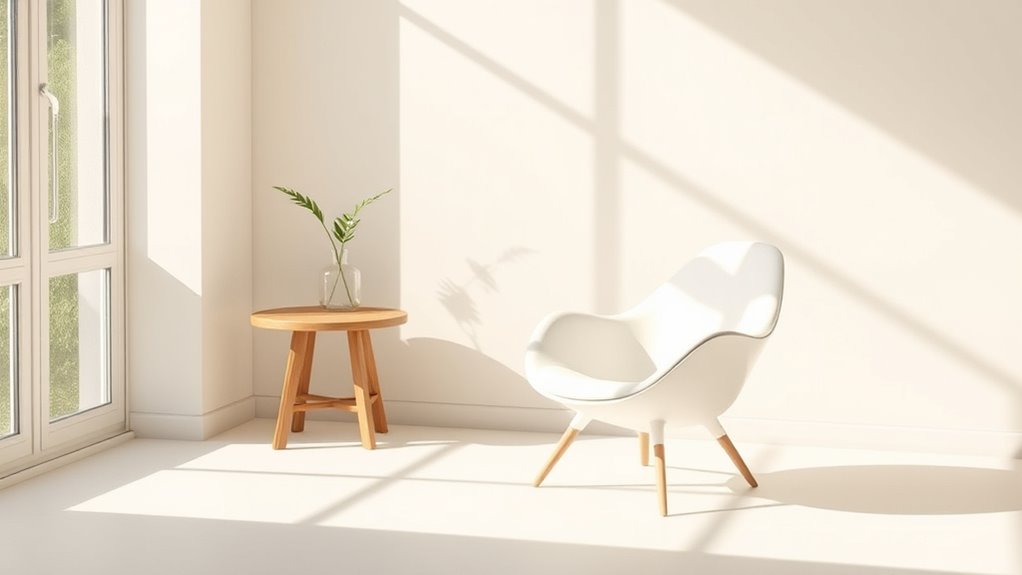
Have you noticed how minimalism has become more than just a design trend—it’s shaping everyday life in 2025? It’s no longer solely about sleek aesthetics; it’s about making intentional choices that foster sustainability and simplicity. As you declutter your space, you’re also embracing sustainable design principles that prioritize eco-friendly materials and reduce waste. This shift encourages you to evaluate what truly adds value to your life, avoiding excess and adopting a more mindful approach to consumption. Minimalism today isn’t just about aesthetics; it’s a conscious lifestyle choice rooted in reducing your environmental footprint.
Minimalism in 2025 is about intentional, sustainable living that values quality over excess and reduces environmental impact.
In the digital domain, digital minimalism has taken center stage. You’re encouraged to streamline your digital environment by decluttering your devices, deleting unnecessary apps, and organizing your files. This creates a calmer, more focused digital space that minimizes distractions and stress. The goal is to free up mental bandwidth, allowing you to concentrate on what matters most. Cutting down on screen time and notifications isn’t just about productivity; it’s about reclaiming your mental clarity and emotional well-being. Digital minimalism in 2025 means intentionally curating your online presence and digital tools, making sure they serve your goals rather than clutter your life. Incorporating pressure relief solutions like ergonomic accessories can further enhance your comfort and well-being during daily routines.
This approach to minimalism extends beyond your physical and digital spaces—it influences how you shop and consume. You’re more likely to choose quality over quantity, investing in durable, timeless items that align with sustainable design principles. This shift encourages you to think about the lifecycle of products, opting for items that can be reused, recycled, or repaired. As a result, you’re reducing waste and supporting brands that prioritize ethical practices. The idea is to create a balanced environment where everything you own has a purpose, and nothing is superfluous.
Living minimally in 2025 also involves setting boundaries around your digital and physical possessions. You might limit your social media use or unsubscribe from unnecessary subscriptions, making room for meaningful experiences instead of clutter. This intentional decluttering isn’t about deprivation but about creating space for what genuinely matters—whether that’s personal growth, relationships, or pursuits that bring you joy. Minimalism becomes a tool for intentional living, helping you focus more on quality and purpose rather than accumulating possessions or digital clutter mindlessly. Ultimately, in 2025, minimalism isn’t just a style—it’s a way to live more consciously, sustainably, and purposefully.
Frequently Asked Questions
How Does Minimalism Impact Mental Health in 2025?
Minimalism in 2025 boosts your mental health by fostering mental clarity and emotional resilience. When you declutter your space, you reduce stress and create a calmer environment, making it easier to focus and think clearly. This intentional approach helps you manage emotions better and builds resilience against daily stressors. By simplifying your surroundings, you give yourself space to recharge mentally, leading to a more balanced and resilient mindset.
What Are the Best Digital Decluttering Strategies for 2025?
Imagine your digital space as a cluttered attic; clearing it out feels freeing. To declutter digitally in 2025, focus on digital organization by deleting unused files and unsubscribing from cluttered newsletters. Use cloud management tools to streamline storage and access. Regularly schedule cleanups, like weekly audits, to keep your digital life simple and functional, reducing stress and increasing productivity.
Can Minimalism Be Adapted for Large Families or Shared Spaces?
Yes, minimalism can work for large families or shared spaces by focusing on shared space organization and family-friendly minimalism. You can create designated zones for different activities, limit each person’s belongings, and encourage everyone to declutter regularly. Involving all family members helps foster a shared sense of responsibility and simplifies daily routines. This approach keeps your home functional, clutter-free, and comfortable for everyone while maintaining a minimal aesthetic.
How Does Minimalism Influence Future Environmental Sustainability Efforts?
Imagine a future where your choices drive sustainability. Minimalism encourages you to prioritize eco-friendly materials and sustainable manufacturing, reducing waste and energy use. For example, choosing minimalist, multi-purpose furniture made from recycled materials minimizes resource consumption. Your mindful consumption helps lower environmental impact, promotes responsible production, and supports a greener planet. Embracing minimalism today can cultivate habits that inspire broader environmental efforts tomorrow.
What Role Does Technology Play in Minimalist Lifestyles of 2025?
In 2025, technology plays a key role in your minimalist lifestyle by making decluttering easier. Smart home devices help you automate and optimize space, reducing clutter and energy use. Wearable tech keeps you organized and mindful of your consumption habits, encouraging simplicity. These innovations support your goal of living with purpose, ensuring you focus on quality over quantity while maintaining a sleek, efficient, and clutter-free environment.
Conclusion
As you embrace minimalism in 2025, think of your space as a blooming garden, where each carefully chosen item is a vibrant flower. Decluttering isn’t just about clearing clutter; it’s about planting seeds for a more intentional, peaceful life. Let go of the unnecessary, and watch your world flourish with purpose. In this minimalist landscape, you’ll find clarity and freedom blooming anew—transforming your space into a sanctuary of calm and possibility.