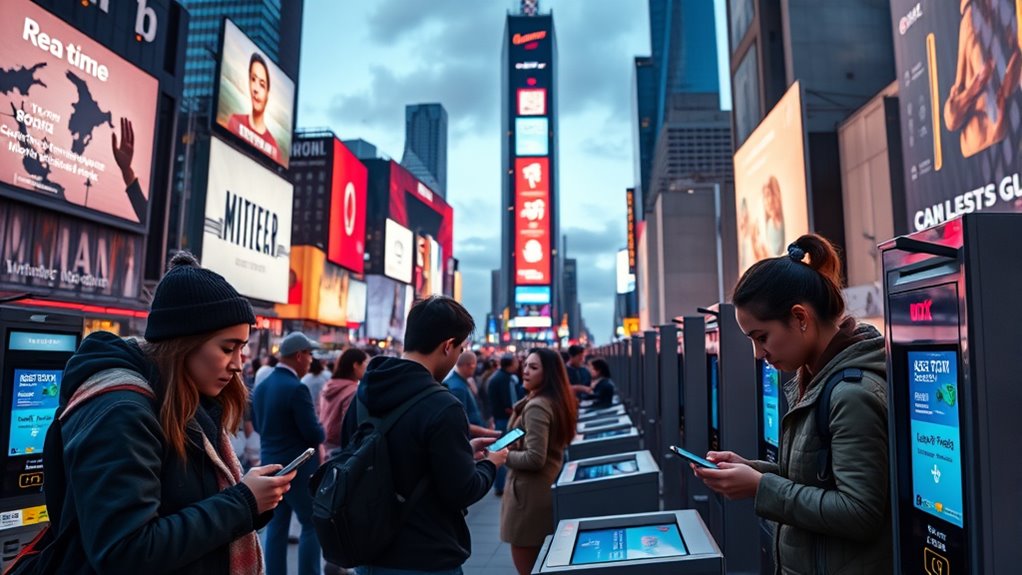

Digital payments now use real-time global payment rails that let you send and receive money instantly across borders. These systems improve transaction speed, security, and convenience, making it easier to pay or get paid anytime, anywhere. With advancements like NFC, QR codes, and secure platforms, you can enjoy seamless international transactions with low fees. Staying current with these trends helps you make smarter financial decisions—continue exploring to discover how these innovations can benefit you.
Key Takeaways
- Real-time digital payment rails enable instant cross-border transactions, reducing delays and operational costs globally.
- Advanced infrastructure, such as NFC and QR codes, facilitates seamless, contactless payments across diverse platforms.
- AI-driven security systems protect real-time transactions, enhancing safety and trust in digital payment ecosystems.
- Integration with cryptocurrencies and blockchain technology offers decentralized, transparent, and instant payment options worldwide.
- Growing adoption of mobile wallets and digital currencies is expanding real-time payment capabilities across emerging and developed markets.
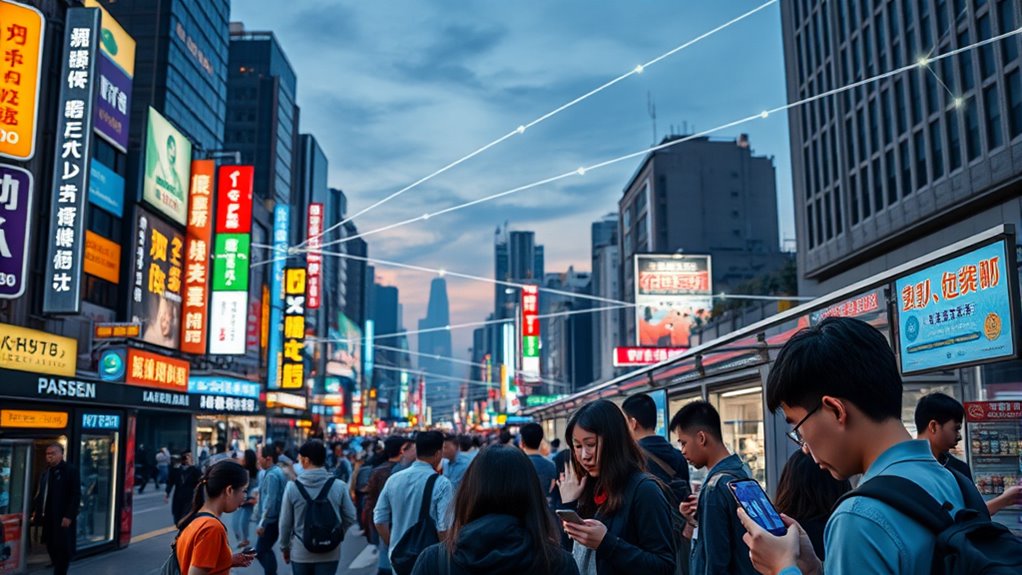
Digital payments have transformed the way you handle transactions by making them faster, more secure, and more convenient. No longer do you need to carry cash or wait in long lines; instead, you can send and receive money instantly through your smartphone. As digital payment systems evolve, one of the most exciting developments is the rise of cryptocurrency adoption. More people are now using digital currencies like Bitcoin and Ethereum to pay for goods and services, offering a decentralized and often more transparent way to conduct transactions. This shift is pushing traditional financial boundaries, allowing you to participate in a global economy that’s more accessible than ever before. Cryptocurrency adoption also introduces new considerations for security. While digital currencies can offer significant benefits, they come with risks such as hacking and fraud. That’s why mobile wallet security has become a vital concern. Ensuring your mobile wallet is protected involves using strong, unique passwords, enabling multi-factor authentication, and keeping your device’s software up-to-date. Many apps now incorporate biometric authentication, like fingerprint or facial recognition, which adds an extra layer of security. You should also be cautious about sharing sensitive information and only download wallets from trusted sources. As more people embrace cryptocurrencies, the importance of mobile wallet security grows, making it essential for you to stay vigilant and proactive in safeguarding your digital assets. Beyond cryptocurrencies, mobile wallets themselves are becoming more sophisticated, integrating seamlessly with various payment platforms, loyalty programs, and even identity verification tools. This interoperability makes it easier for you to manage your finances on the go, whether you’re shopping online or paying at a physical store. Contactless payments, QR codes, and NFC technology are now standard features, reducing the need for cash or card swipes. The convenience of real-time payments across borders is also gaining traction, allowing you to send money internationally almost instantly, often at lower fees than traditional banking options. These advancements are driven by the rapid development of digital infrastructure and the increasing trust in secure, fast online transactions. Additionally, AI security technologies are being integrated into digital payment systems to enhance threat detection and protect your financial data from cyber threats. As the global landscape continues to shift toward digital payments, you’ll find that staying informed about emerging trends, such as cryptocurrency integration and mobile wallet security, is essential. Not only do they impact your ability to transact smoothly, but they also influence the safety of your digital financial footprint. Embracing these technologies means you can enjoy a more seamless, secure, and efficient financial experience, no matter where you are in the world. The future of digital payments looks promising, with real-time rails connecting you to a more inclusive and dynamic financial ecosystem.
Frequently Asked Questions
How Do Digital Payment Systems Ensure User Privacy?
Digital payment systems guarantee your privacy by using strong encryption protocols that protect your data during transactions. They also implement robust user authentication methods, like biometrics or two-factor authentication, to verify your identity. These measures prevent unauthorized access and keep your financial information secure. By combining encryption and user authentication, digital payments create a safe environment, giving you confidence that your personal and financial details stay private and protected from threats.
What Are the Main Challenges in Implementing Real-Time Payments Globally?
Sure, tackling real-time payments globally is a breeze—if you ignore interoperability hurdles and regulatory complexities. You’ll find yourself juggling different standards, currencies, and legal frameworks, all while pretending it’s seamless. The main challenge is convincing everyone to play nice across borders, ensuring fast, secure transactions without crossing legal wires. It’s a global dance of tech, rules, and patience—oh, and a dash of bureaucratic chaos.
How Do Digital Currencies Impact Traditional Banking Infrastructure?
Digital currencies impact traditional banking infrastructure by accelerating cryptocurrency adoption and pushing banks to integrate blockchain technology. You’ll find that blockchain integration streamlines transactions, reduces costs, and enhances security, challenging conventional systems. As you adopt digital currencies, you help transform banking services, making them more efficient and transparent. This shift compels banks to adapt quickly, fostering innovation and reshaping how payments and transactions occur globally.
What Security Measures Protect Against Fraud in Real-Time Transactions?
You’re protected against fraud in real-time transactions through robust security measures like biometric authentication and transaction monitoring. Biometric authentication, such as fingerprint or facial scans, verifies your identity instantly, reducing unauthorized access. Meanwhile, transaction monitoring detects suspicious activity by analyzing patterns and flagging anomalies in real time. These combined measures guarantee your transactions stay secure, giving you peace of mind as you engage in digital payments worldwide.
How Accessible Are Digital Payments in Rural or Underdeveloped Regions?
In rural and underdeveloped regions, digital payments are becoming more accessible, but challenges remain due to limited rural infrastructure and low digital literacy. You might face obstacles like poor internet connectivity and lack of smartphones. However, programs that improve infrastructure and promote digital literacy help bridge this gap. As these efforts grow, more people in remote areas can confidently use digital payments, expanding financial inclusion and economic opportunities.
Conclusion
As you explore the world of digital payments, you’ll see how real-time rails are transforming transactions globally. Did you know that over 60% of adults in emerging markets now use mobile money services? This rapid adoption highlights the shift toward faster, more accessible financial transactions. Embracing these innovations means you’re part of a growing movement shaping the future of global commerce—where instant payments are just the beginning of a more connected financial world.