
Smart home security relies on hubs and protocols to connect devices smoothly, but vulnerabilities can arise from voice command risks, device incompatibilities, and outdated security measures. If your system lacks strong authentication or uses incompatible protocols, hackers may exploit these gaps to bypass security or control your devices. Ensuring your setup uses standards-compliant devices, has centralized management, and stays updated can protect you better. Keep exploring to learn how to strengthen your smart home’s defenses more effectively.
Key Takeaways
- Using centralized hubs enhances device management and security, streamlining updates and reducing interoperability issues.
- Compatibility of protocols across devices is vital to prevent security gaps and ensure seamless communication.
- Voice command vulnerabilities can be exploited if authentication measures are weak, risking unauthorized access.
- Regular firmware updates and layered security practices help mitigate risks from protocol and device vulnerabilities.
- Adopting standards-compliant devices and multi-factor authentication improves overall smart home security posture.

Have you ever wondered how to keep your home safer with the latest technology? When it comes to smart home security, understanding the potential vulnerabilities and the challenges you might face is vital. One major concern is voice command vulnerabilities. Voice assistants like Alexa, Google Assistant, or Siri are convenient, allowing you to control your security system hands-free. However, they can be tricked into executing commands you didn’t intend, especially if someone uses voice mimicry or plays audio clips to deceive the system. This means that malicious actors could potentially disable alarms or unlock doors if they manage to exploit these vulnerabilities. Being aware of such risks helps you understand the importance of securing voice commands with strong authentication measures, like voice recognition or multi-factor authentication, to prevent unauthorized access.
Another challenge in smart home security involves device interoperability. Your home might be filled with devices from different brands that don’t always communicate seamlessly. This can create security gaps because inconsistent protocols or compatibility issues may prevent security systems from functioning correctly or make it difficult to update or patch vulnerabilities. For example, if your security cameras, door locks, and alarms operate on different protocols and don’t integrate well, an attacker could exploit these disconnects to bypass certain security features. Device interoperability challenges also complicate managing and monitoring your system, increasing the chances of overlooked vulnerabilities. To counter this, you should prioritize devices that adhere to common standards and verify they work together smoothly through a centralized hub or platform. This helps create a more unified and protected environment, reducing the chances of gaps that could be exploited. Additionally, utilizing juice cleansing principles such as consistent updates and layered security measures can help keep your system resilient against potential threats.

Amazon Echo Hub, 8” smart home control panel, Designed for Alexa+, Compatible with thousands of devices
Echo Hub — An easy-to-use Alexa-enabled control panel for your smart home devices—just ask Alexa or tap the…
As an affiliate, we earn on qualifying purchases.
As an affiliate, we earn on qualifying purchases.
Frequently Asked Questions
How Do I Choose the Best Smart Home Security Hub for My Needs?
To pick the best smart home security hub, consider your device compatibility and user interface. You want a hub that seamlessly connects with your existing devices and protocols. Look for an intuitive user interface that makes setup and management easy. Research reviews and compare features to find a hub that fits your needs, ensuring it offers reliable security and straightforward control so you can confidently manage your smart home.
Are There Specific Protocols More Secure Than Others for Home Security?
Yes, some protocols are more secure than others. Look for those that use strong wireless encryption, like WPA3 or WPA2, and robust device authentication methods. These features prevent unauthorized access and protect your data. Avoid outdated protocols like WEP, which are vulnerable. By choosing protocols emphasizing wireless encryption and device authentication, you enhance your smart home security and keep potential intruders at bay.
What Are the Signs My Smart Security System Has Been Hacked?
If your smart security system has been hacked, you’ll notice signs like unauthorized access or unusual activity. Maybe you see alerts for doors opening when you’re away, or cameras record strange movements. Your system might also become unresponsive or show inconsistent behavior. Stay vigilant—regularly check for these signs, update passwords, and make certain your firmware is current to protect against unauthorized access and keep your home secure.
How Often Should I Update the Firmware of My Security Devices?
Think of your security devices as guardians that need armor. You should update firmware and install security patches at least once a month to keep them resilient. Regular updates patch vulnerabilities, strengthen defenses, and guarantee your system stays ahead of threats. Don’t wait for a breach—be proactive. Set reminders or enable automatic updates if available, so your smart home’s guardians remain vigilant and unbreakable against evolving dangers.
Can Smart Home Security Systems Be Integrated With Existing Alarm Systems?
Yes, you can integrate smart home security systems with your legacy alarm systems using wireless integration. Many modern smart security devices are designed to connect seamlessly with older alarm systems through compatible hubs or adapters. This allows you to upgrade your security without replacing your existing setup entirely. Confirm compatibility and follow installation instructions to create a cohesive, effective security network that leverages both your legacy system and new smart technology.
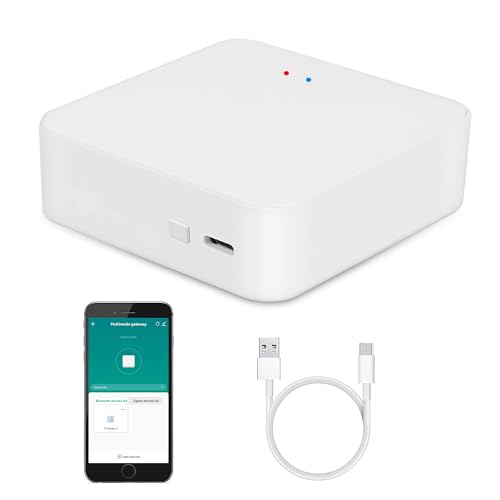
Smart Hub Gateway: Zigbee & Bluetooth Mesh Multi-Protocol Communication Gateway, App Remote Control, Voice Control, Intelligent Home Bridge, ONLY Support Tuya Smart Devices
MULTI-MODE GATEWAY: Smart home bridge supports Zigbee, Bluetooth Mesh dual-protocols, and supports WIFI control at the same time….
As an affiliate, we earn on qualifying purchases.
As an affiliate, we earn on qualifying purchases.
Conclusion
Ultimately, your smart home offers convenience and control, yet it also brings vulnerability. While hubs and protocols simplify your life, they can be tempting targets for hackers. You enjoy seamless automation, but that ease can mask underlying risks. Stay vigilant, update regularly, and choose secure connections. Because, in this connected world, your peace of mind depends on balancing smart technology’s benefits with its potential threats—trust your awareness as much as your devices.

uAttend Touch-Free Voice Control and Facial Recognition Time Clock System for Employees and Small Businesses (DR2000)
Touch-Free, Cloud-Connected Time Clock: The uAttend DR2000 offers a modern, touch-free solution for employee time tracking, keeping your…
As an affiliate, we earn on qualifying purchases.
As an affiliate, we earn on qualifying purchases.

Kasa 1080p Indoor Pan/Tilt Wired Security Camera – Works as a Baby & Pet Monitor, Motion Detection & Tracking, 2-Way Audio, Night Vision, Subscription-Free Local Storage or Optional Cloud, EC71
【Up, Down, All Around】This Pan/Tilt IP camera see everything across an entire room or walkway with the 360°…
As an affiliate, we earn on qualifying purchases.
As an affiliate, we earn on qualifying purchases.