
Hiccups happen because your diaphragm muscle spasms involuntarily, often triggered by irritations, sudden temperature changes, or emotional stress. These spasms send nerve signals that cause the characteristic hiccup sound. You can try strange remedies like holding your breath, drinking water quickly, or pulling your tongue—these work by distracting or influencing nerves. If you want to uncover more about what causes hiccups and some curious cures, keep going to learn the details.
Key Takeaways
- Hiccups are caused by involuntary diaphragm muscle spasms triggered by nervous system reflexes.
- They often result from irritation, temperature changes, or emotional stress affecting nerve signals.
- The diaphragm’s reflex response produces hiccups as a minor reaction to breathing irregularities.
- Strange cures aim to reset nerve activity or distract the nervous system, such as holding breath or swallowing sugar.
- Hiccups are generally harmless, representing a temporary, normal reflex to minor muscle and nerve disturbances.

Have you ever wondered why you hiccup? Those sudden, involuntary bursts of air can seem so strange, yet they happen to everyone at some point. To understand why, you need to look at what’s happening inside your body. Hiccups are caused by muscle spasms in your diaphragm, the large muscle that sits just below your lungs and helps you breathe. When this muscle contracts involuntarily, it triggers a reflex known as the diaphragm reflex. This reflex sends signals to your brain indicating that your diaphragm is working improperly, which results in the characteristic sound and sensation of a hiccup. Essentially, your body’s way of responding to an irregularity in how your breathing muscles function.
Hiccups result from involuntary muscle spasms in your diaphragm, your body’s way of reacting to breathing irregularities.
This reflex is quite sensitive and can be triggered by many factors. For example, eating too quickly, consuming spicy foods, or drinking carbonated beverages can irritate your stomach or diaphragm, prompting those muscle spasms. Sudden changes in temperature—like drinking a hot beverage followed by a cold one—may also set off the reflex. Sometimes, emotional stress or excitement can influence the diaphragm reflex, making you more prone to hiccups. Even laughing or coughing vigorously can disturb the normal rhythm of your breathing muscles, leading to hiccups. The interesting part is that, while hiccups are usually harmless and temporary, they’re fundamentally your body’s way of reacting to a minor disturbance in your nervous system’s control over your diaphragm. Additionally, the nervous system plays a key role in regulating involuntary muscle contractions involved in hiccups.
People have devised all sorts of strange cures for hiccups over the years, hoping to reset this reflex and stop the spasms. Some suggest holding your breath to increase carbon dioxide levels in your blood, which might calm the diaphragm reflex. Others recommend drinking water quickly, thinking it stimulates your vagus nerve and interrupts the hiccup cycle. Bizarre remedies like pulling on your tongue or swallowing a teaspoon of sugar are also common, based on the idea that they might distract or reset your nervous system. While these cures seem odd, they often work because they momentarily redirect your body’s focus or influence nerve activity related to the diaphragm. Sometimes, simply breathing into a paper bag can help by increasing carbon dioxide levels and calming those muscle spasms.
In the end, hiccups are a normal, if sometimes annoying, part of your body’s reflex system. They’re usually harmless, caused by a temporary misfire in the nerve signals controlling your diaphragm. Whether it’s a quick sip of water or holding your breath, the goal is to interrupt the muscle spasms and restore normal breathing. Understanding the role of muscle spasms and the diaphragm reflex helps demystify this quirky bodily process, making it less mysterious and a little easier to manage when hiccups strike.
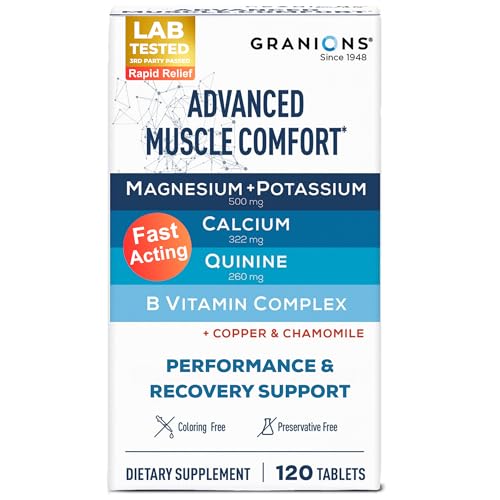
Granions Advanced Muscle Comfort – Natural Muscle Relaxer Pills Support – Quinine, Magnesium, Potassium, B Vitamins, Chamomile, CoQ10 – Immediate Muscle Relaxation and Comfort – 120 Tablet, 30 Serving
MAX POTENCY, IMMEDIATE-ACTION MUSCLE RELAXERS for men and women. With quinine, chamomile, magnesium and potassium to support relaxation,…
As an affiliate, we earn on qualifying purchases.
As an affiliate, we earn on qualifying purchases.
Frequently Asked Questions
Can Hiccups Be a Sign of a Serious Medical Condition?
Hiccups can sometimes be a sign of a serious medical condition, especially if they last for days or are accompanied by chest pain or difficulty breathing. While most hiccups are harmless, rare causes like nerve damage or neurological issues may require urgent medical attention. If your hiccups persist or worsen, you should seek medical help promptly to rule out potential medical emergencies and underlying health problems.
Do Certain Foods Trigger Hiccups More Than Others?
Think of your stomach as a busy highway; certain food triggers, like spicy or carbonated items, cause traffic jams that lead to hiccups. These foods can overstimulate your diaphragm or irritate your stomach lining. Your dietary habits play a big role, too. If you frequently consume these triggers, you’re more likely to experience hiccups. So, paying attention to what you eat can help keep those hiccups at bay.
How Long Do Hiccups Typically Last Before They Resolve?
Hiccups typically last for a few minutes to around 48 hours, but the duration can vary widely. Most hiccups resolve quickly, often within a few minutes, which is the common duration. If your hiccups persist beyond 48 hours, it’s considered prolonged, and you should see a doctor. The duration variability depends on the cause, with minor triggers sometimes stopping sooner and others lasting longer.
Are There Age Groups More Prone to Frequent Hiccups?
Imagine a lively playground where age-related hiccups bounce around more frequently in children and older adults. You might notice pediatric hiccup patterns, with kids experiencing hiccups more often due to their developing systems, while seniors may have them more due to health changes. These age groups are more prone to frequent hiccups because their bodies are more sensitive to triggers like eating habits, stress, or underlying health factors.
Is There a Way to Prevent Hiccups From Occurring?
You can often prevent hiccups by avoiding common hiccup triggers like overeating, rapid eating, or drinking carbonated beverages. Prevention techniques include sipping water slowly, holding your breath, or gently pulling on your tongue. Staying calm and managing stress also helps. Identifying and avoiding your personal triggers can markedly reduce hiccup occurrences, making it easier to prevent them before they start.

Pulsetto FIT Wellness Wearable with Vagus Nerve Support – Patented Neuro Technology for Relaxation, Stress Balance, Focus, and Restful Sleep
Feel Calm in Just Minutes with Pulsetto FIT – Experience deeper relaxation and renewed balance in quick, 4-10…
As an affiliate, we earn on qualifying purchases.
As an affiliate, we earn on qualifying purchases.
Conclusion
Next time you hiccup unexpectedly, remember it might just be a coincidence—your body’s way of reacting to something minor. Sometimes, those strange cures work because they distract your nerves or reset your diaphragm, almost like a lucky coincidence. So, the next time you find yourself hiccuping at the worst moment, don’t overthink it. Maybe, just maybe, the answer is as simple as a coincidence, and a little patience will do the trick.

HiccAway Hiccup Straw – Stops Hiccups Naturally & Fast – As Seen On Shark Tank – Clinically Proven Relief for All Ages, Children & Adults – Safe, Lightweight, & Reusable (HiccAway Green) 1 Pack
STOP HICCUPS FAST – HiccAway is a device that stops hiccups fast! To use, simply choose ADULT or…
As an affiliate, we earn on qualifying purchases.
As an affiliate, we earn on qualifying purchases.
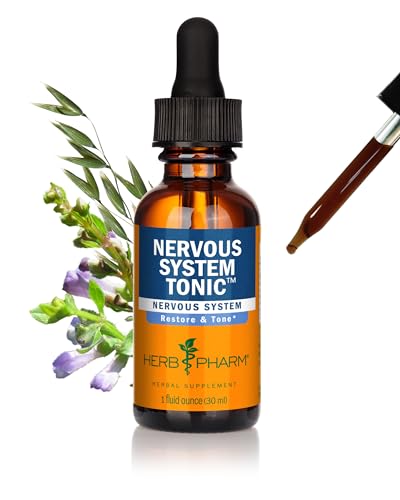
Herb Pharm Nervous System Tonic Liquid Herbal Formula to Strengthen and Calm the Nervous System – 1 Ounce (FASKULL01)
NERVOUS SYSTEM TONIC FORMULA: This herbalist-crafted compound has a classic relaxing combo of Oat “Milky” Seed and Skullcap…
As an affiliate, we earn on qualifying purchases.
As an affiliate, we earn on qualifying purchases.