The 2026 World Cup qualifying process varies by region, involving different formats to find the best teams. North America, South America, Africa, Europe, and Asia each run their own tournaments—like group stages, knockout rounds, and playoffs—to determine who gets a spot in the tournament. The system is competitive and detailed, with some regions offering multiple pathways for qualification. Keep exploring to understand the specific steps teams take to earn their place.
Key Takeaways
- Teams qualify through regional competitions, including group stages, knockout rounds, and playoffs, specific to each continent.
- North America (CONCACAF) features group and knockout phases with direct qualification and playoff options.
- South America (CONMEBOL) uses a round-robin format where each team plays all others, with top teams qualifying directly.
- Africa (CAF) combines knockout rounds, group stages, and playoffs to determine qualifiers, reflecting high competitiveness.
- Europe (UEFA) and Asia (AFC) conduct multiple group stages and playoffs to decide their best teams for the World Cup.

As the road to the 2026 FIFA World Cup kicks off, teams around the world are preparing for the intense qualifying matches that will determine the tournament’s participants. The qualification process is a complex journey through regional competitions, each designed to narrow down the field of contenders from different continents. You’ll find that these regional competitions vary markedly in format, but their core goal remains the same: to identify the best teams to represent their regions at the World Cup.
The road to the 2026 FIFA World Cup involves regional qualifiers shaping the world’s best teams.
In North America, Central America, and the Caribbean, the qualification process is straightforward but competitive. CONCACAF organizes a series of rounds where teams compete in group stages and knockout matches. The top teams from these rounds secure direct spots in the World Cup, while others get a second chance through a playoff system. The process is intense, as small margins separate teams advancing versus those eliminated.
South America’s qualification, overseen by CONMEBOL, is more streamlined but no less competitive. All ten South American nations play each other in a round-robin format across ten matches. The top teams in the standings automatically qualify, while the next best teams get the chance to secure their spot through intercontinental playoffs. This format emphasizes consistency, as every match counts in a tightly contested race.
In Africa, CAF’s qualification involves multiple rounds starting with lower-ranked teams. These teams face off in knockout rounds, with winners progressing to join higher-ranked teams in group stages. The top teams from these groups then qualify directly, while some teams earn their spot through playoff matches. The African qualification process is known for its unpredictability and high-stakes matches, reflecting the continent’s growing football talent.
Europe’s UEFA qualification features a series of group stages, where 53 teams are divided into multiple groups. You’ll notice the format encourages head-to-head competition, with the best teams from each group earning direct qualification. Additionally, a playoff system offers a last chance for teams that finish just outside the automatic qualifying spots. The UEFA process is meticulous, often highlighting some of the world’s most competitive national teams.
Finally, Asia’s AFC qualification involves several rounds, beginning with preliminary matches among lower-ranked teams and culminating in an Asian Cup-based group stage. The best teams from these groups advance to intercontinental playoffs, fighting for a limited number of spots. Australia, as part of the AFC, follows this process, competing fiercely to secure their place. Some regions also incorporate specialized qualification tournaments to determine additional qualifiers.
Ultimately, the qualification process is a demanding test of skill, resilience, and consistency. Regional competitions serve as the battlegrounds where teams prove their worth, making every match vital. As you follow these regional battles, remember that each victory brings a team closer to the grandeur of the World Cup, where the best of the best will clash on the global stage.
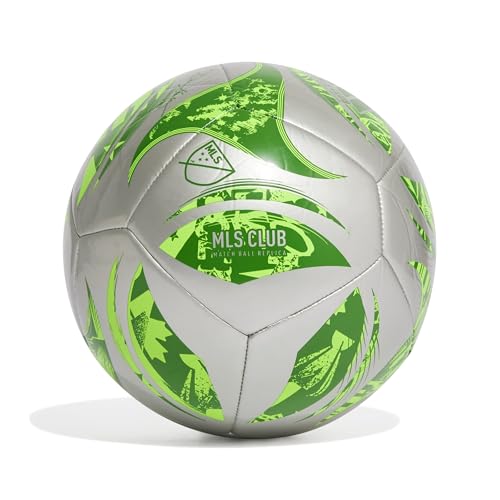
Adidas MLS Club Soccer Ball, Silver Metallic/Green, 5
A soccer ball inspired by the official match ball of Major League Soccer for recreational play
As an affiliate, we earn on qualifying purchases.
As an affiliate, we earn on qualifying purchases.
Frequently Asked Questions
How Are Host Nations Selected for the 2026 World Cup?
During the host nation selection for the 2026 World Cup, you see FIFA’s bidding process in action. Countries submit bids, showcasing their stadiums and infrastructure. FIFA reviews these bids, considering factors like experience and facilities, before choosing the host nations. For 2026, the USA, Canada, and Mexico emerged as co-hosts through this competitive bidding process, highlighting their readiness and strong infrastructure to host the tournament successfully.
What Are the Tiebreaker Rules in Qualifying Groups?
Imagine your team is in a race, neck and neck with others. When points tie, the tiebreaker criteria come into play, like a judge breaking the tie. You compare group ranking methods step-by-step: goal difference first, then goals scored, and if needed, head-to-head results. If still tied, fair play points or even drawing lots decide your fate. These rules guarantee the best team progresses through a fair, clear process.
How Do Player Eligibility Rules Impact Qualification?
You need to confirm players meet eligibility rules based on player nationality and proper eligibility verification. If a player isn’t correctly qualified, matches can be overturned or teams penalized. Always check that players have the correct citizenship or residency status, and verify their eligibility before registration. This helps prevent disqualification or forfeits, ensuring your team remains competitive and compliant throughout the qualification process.
Are There Any Changes in Qualifying Format Compared to Previous Tournaments?
Yes, the qualifying format for the 2026 World Cup has changed from previous tournaments. You’ll notice a new tournament structure that includes expanded regional qualifiers, giving more teams a chance to compete. The format now features additional stages, like multi-round knockout phases and larger groups, making the process more competitive and inclusive. These adjustments aim to increase excitement and opportunities for teams worldwide, shaping a more dynamic and global qualifying campaign.
How Do Non-Fifa Member Teams Participate in Qualifiers?
Non FIFA teams can participate in qualifiers through regional competitions organized by their respective confederations. You might need to join regional qualifiers, which vary by continent, and often require invitations or special arrangements. These teams compete against others in their region, and if they succeed, they may earn a spot in the World Cup. The process provides a pathway for non FIFA teams to showcase their talent on the world stage.

Hipat Whistle, 2 Packs Sports Whistles with Lanyard & Mouth Grip, Loud Crisp Sound, Black Plastic Whistles Ideal for Coaches, Referees, and Officials
LOUD CRISP SOUND— There is a larger, natural cork pea in the whistle that helps the whistle make…
As an affiliate, we earn on qualifying purchases.
As an affiliate, we earn on qualifying purchases.
Conclusion
As you follow the qualifying journey, remember it’s more than just matches—it’s a path to dreams. Each game is a stepping stone, shaping your hopes like a forge molding steel. The road may be tough, but perseverance is your guiding star, illuminating the way through uncertainty. Ultimately, the qualifiers symbolize your resilience and passion, proving that even in chaos, dedication can carve a future where victory shines like a beacon, waiting to be claimed.

Soccer Coaching Board Soccer Coaches Clipboard Tactical Magnetic Board Kit with Dry Erase, Marker Pen and Zipper Bag (Football Board) (Soccer Coaching Board)
Superior Material: PU leather cover + Magnetic pitch + Write and wipe, 2 in 1 marker pen, giving…
As an affiliate, we earn on qualifying purchases.
As an affiliate, we earn on qualifying purchases.

22.3'' * 33.11'' World Cup Tournament Record Canvas Poster + 23.39'' * 16.54'' Group Stage Tracker & Complete Game Information Table Paper Poster – Must-Have for Soccer Enthusiasts, Football Fans, Home & Office & Bar, Essential for Football Viewing Parties
【3-in-1 Complete Set, Covering the Entire World Cup Schedule】 This World Cup match schedule record set includes an…
As an affiliate, we earn on qualifying purchases.
As an affiliate, we earn on qualifying purchases.