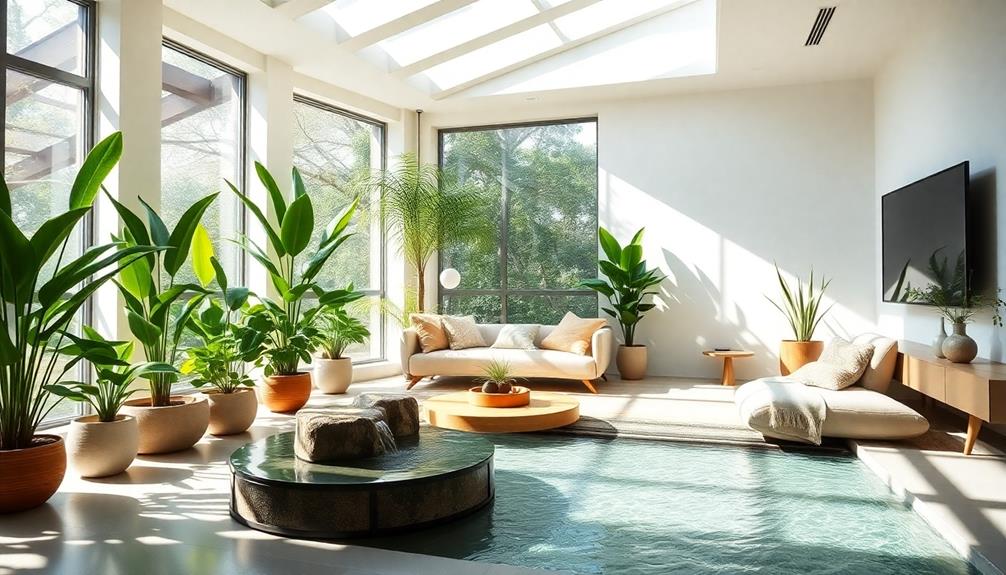
To tackle Seasonal Affective Disorder, start with simple steps like daily light therapy sessions near a special light box to boost serotonin. Maintain regular sleep routines, avoiding screens an hour before bed, and create a relaxing pre-sleep environment. Spend time outdoors during daylight hours to increase natural sunlight exposure, and incorporate regular exercise into your schedule. Small consistent actions like these can make a big difference—keep exploring to discover more effective ways to manage your mood.

Get movie nights delivered free with Prime
- Fast, free delivery on millions of items
- Prime Video, Amazon Music and more included
- Member-only deals all year
Key Takeaways
- Use a light therapy box daily in the morning to mimic natural sunlight and boost mood.
- Maintain consistent sleep schedules and avoid screens before bedtime to improve sleep hygiene.
- Spend time outdoors during daylight hours to increase natural light exposure.
- Incorporate regular exercise and a balanced diet to support overall mental health.
- Combine lifestyle changes with light therapy for the most effective management of SAD symptoms.
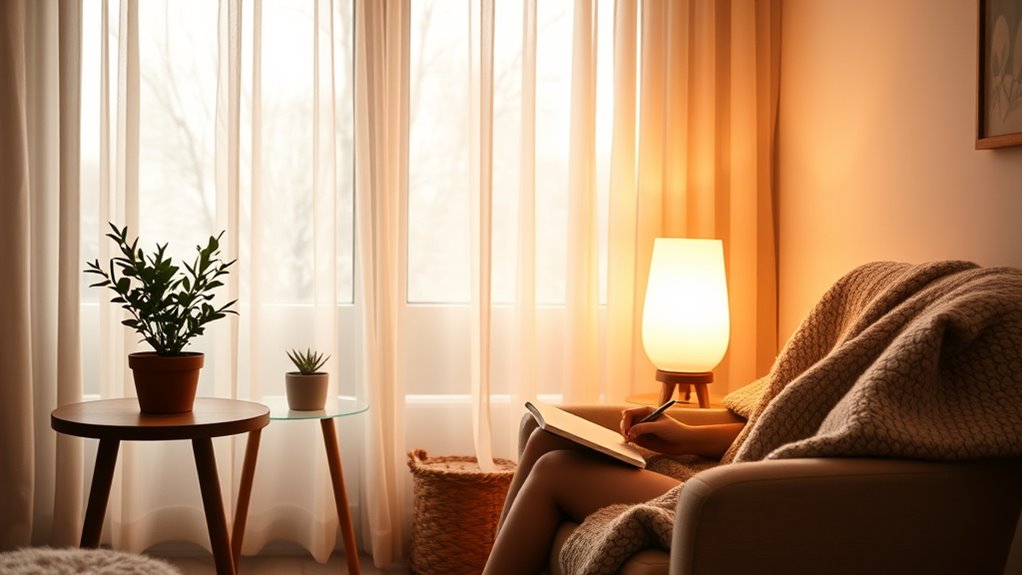
Have you ever felt unusually tired, moody, or uninterested during certain times of the year? If so, you’re not alone. Many people experience these symptoms, which are often linked to Seasonal Affective Disorder (SAD). The good news is that small, manageable steps can help you feel better and regain your balance. One of the most effective methods is light therapy. This involves sitting near a special light box that mimics natural sunlight, especially during the darker months when sunlight is scarce. Using light therapy consistently each morning can boost your mood by regulating your internal clock and increasing the production of serotonin, the brain chemical associated with happiness. It’s a simple, non-invasive approach that doesn’t require medications, making it accessible and easy to incorporate into your routine.
Alongside light therapy, paying attention to your sleep hygiene plays a vital role. Sleep hygiene involves establishing habits that promote restful sleep, which is often disrupted in people with SAD. Going to bed and waking up at the same time each day, even on weekends, can help stabilize your circadian rhythm. Avoid screens at least an hour before bed since the blue light emitted can interfere with melatonin production, making it harder to fall asleep. Creating a calming pre-sleep routine, like reading or listening to soft music, can signal to your body that it’s time to wind down. Ensuring your bedroom is cool, dark, and quiet further supports quality sleep. When your sleep hygiene improves, your mood and energy levels tend to follow suit, making a significant difference in managing SAD symptoms. Incorporating natural light exposure and understanding the importance of camping locations that offer sunlight can also be beneficial during the winter months, as spending time in the outdoors can enhance your overall well-being.
You might also find it helpful to combine light therapy with other lifestyle changes, such as regular exercise and a balanced diet. Exercise can boost endorphin levels, naturally lifting your spirits, while a nutritious diet supports overall well-being. During the darker months, try to get outside during daylight hours as much as possible, even if it’s just a quick walk. This natural exposure to sunlight can complement your light therapy sessions and help reset your internal clock. Remember, consistency is key. Small steps, like maintaining good sleep hygiene and using light therapy, can add up over time, making a noticeable impact on how you feel.
Ultimately, managing SAD involves understanding your needs and taking proactive, simple actions. By integrating light therapy into your daily routine and prioritizing your sleep hygiene, you create a foundation for better mental health during the challenging months. These small steps aren’t just effective—they’re doable, empowering you to take control and improve your quality of life, one day at a time.
As an affiliate, we earn on qualifying purchases.
Frequently Asked Questions
Can SAD Affect Children or Teenagers Differently?
Yes, SAD can affect children and teenagers differently, impacting their emotions uniquely. Children’s emotions might show as increased irritability, sadness, or withdrawal, while teens often experience mood swings or difficulty concentrating. You can support their teen resilience by encouraging open conversations, maintaining routines, and ensuring they get enough light and activity. Recognizing these differences helps you tailor your approach, making it easier for them to cope during darker months.
Are There Natural Remedies That Help Manage SAD Symptoms?
Like a gentle sunrise breaking through darkness, natural remedies can lift your mood. You might try light therapy, which mimics sunlight to boost your spirits, or herbal supplements like St. John’s Wort to support emotional balance. These small, nurturing steps can help brighten your days naturally, giving you a comforting glow amid the shadows. Remember, always chat with a healthcare professional before starting new remedies to guarantee they’re right for you.
How Long Does It Typically Take to See Improvement?
You might start noticing symptom improvement within a few days to a couple of weeks after beginning your treatment. The treatment timeline varies depending on individual factors, but most people see gradual progress as their symptom progression slows. Consistency is key; sticking with your small steps can help accelerate healing. Keep track of how you’re feeling, and if you don’t see changes in a month, consider consulting a healthcare professional for adjustments.
Is SAD Linked to Other Mental Health Conditions?
Did you know that about 60% of people with seasonal depression also experience comorbid anxiety? SAD is often linked to other mental health conditions like depression and anxiety disorders. If you notice symptoms of seasonal depression, it’s common to also face challenges like comorbid anxiety. Recognizing these connections helps you seek targeted treatment, improving your overall mental health and making seasonal depression more manageable.
Can Lifestyle Changes Prevent the Onset of SAD?
Yes, lifestyle changes can help prevent SAD. You should try light therapy, which exposes you to bright light daily, especially during winter months. Also, make sure you get enough vitamin D through sunlight and supplements, as it supports mood regulation. Regular exercise, a balanced diet, and maintaining a consistent sleep schedule further boost your mental health and may reduce the risk of SAD developing.
As an affiliate, we earn on qualifying purchases.
Conclusion
So, despite all the gloom and short days, you’ve got simple steps to lift your mood. Ironically, the tiniest changes—like lighting up your space or getting outside—can make the biggest difference. You might think you need a miracle, but sometimes, all it takes is a little effort to beat the winter blues. Who knew that tiny, manageable moves could turn your season around? Now, go prove that small steps really do matter.
As an affiliate, we earn on qualifying purchases.
As an affiliate, we earn on qualifying purchases.
Halloween Picks
halloween
As an affiliate, we earn on qualifying purchases.