AI health coaches can give you personalized advice on diet, exercise, sleep, and stress management, adjusting recommendations as you progress and helping boost your motivation. However, they can’t fully understand complex emotional or psychological factors and shouldn’t replace professional healthcare for serious issues. While they make health guidance more accessible, concerns about privacy and data security remain important. If you want to explore what AI health coaches can’t do, keep going and discover more.
Key Takeaways
- AI health coaches provide personalized feedback and adjust recommendations based on individual health data.
- They cannot fully interpret complex emotional, psychological, or mental health factors.
- Privacy and data security are critical concerns due to the sensitive nature of health information.
- They serve best as complementary tools alongside professional healthcare, not replacements.
- Ongoing limitations include potential privacy risks and the need for transparency in data handling.
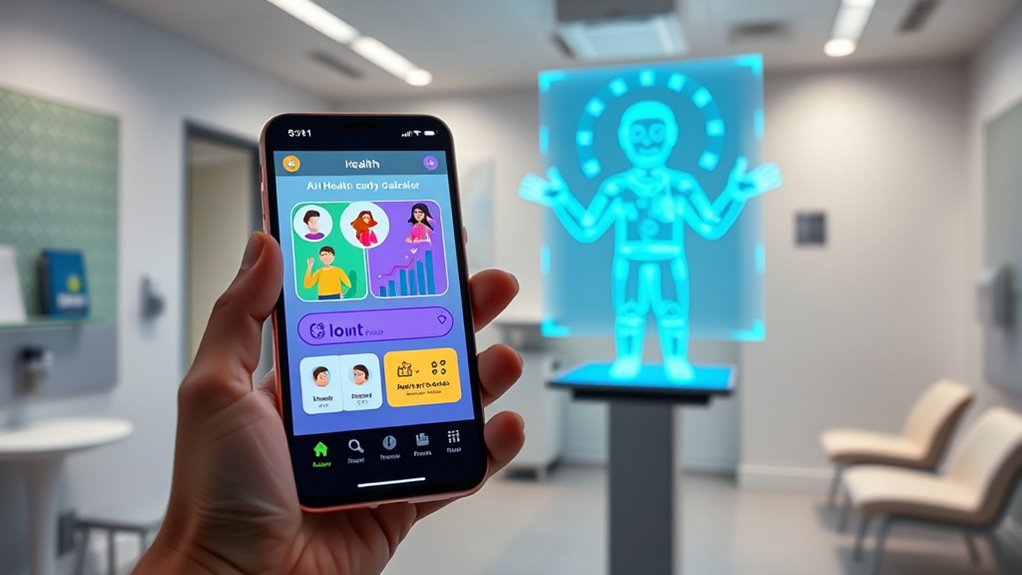
Have you ever wondered how artificial intelligence is transforming personal health management? AI health coaches are becoming more common, offering personalized feedback that helps you stay on top of your wellness goals. These digital assistants analyze your health data, habits, and preferences to provide tailored advice on diet, exercise, sleep, and stress management. The idea is to make health guidance more accessible and individualized, so you can make smarter choices without needing constant human supervision. But while AI health coaches can be incredibly helpful, they also come with limitations and concerns you should be aware of.
One of the main advantages is that AI can deliver highly personalized feedback. Instead of generic tips, these systems learn from your specific data, adjusting recommendations as you progress. For example, if you’re trying to improve your sleep, your AI coach can suggest changes based on your sleep patterns, daily activity levels, and even your mood. This tailored approach can motivate you more effectively than one-size-fits-all advice. However, with this level of personalization comes significant privacy concerns. Your health data is highly sensitive, and trusting an AI system with such information means you’re exposing yourself to potential risks. Data breaches or misuse of personal health details can have serious consequences, so it’s essential to understand how your data is stored, shared, and protected.
AI delivers personalized feedback, but privacy risks require careful data protection and transparency.
Despite their usefulness, AI health coaches aren’t perfect. They lack the nuanced understanding that a human health professional offers. While they can recognize patterns and offer suggestions based on algorithms, they can’t fully interpret complex emotional or psychological factors influencing your health. For example, if you’re feeling overwhelmed or experiencing mental health challenges, an AI might miss the subtleties that a trained therapist or doctor would catch. This means that AI should complement, not replace, professional healthcare, especially when dealing with serious or complicated health issues. Additionally, the effectiveness of AI health coaches can be enhanced through integration with educational toys, which promote health literacy and self-awareness in children and adults alike.
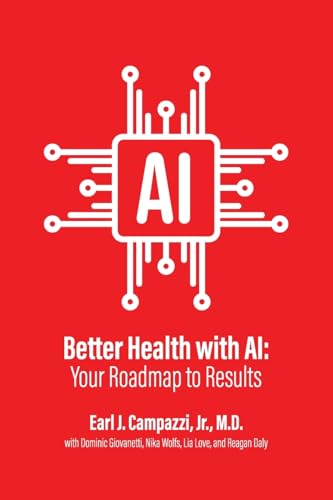
Better Health with AI: Your Roadmap to Results
As an affiliate, we earn on qualifying purchases.
As an affiliate, we earn on qualifying purchases.
Frequently Asked Questions
Can AI Health Coaches Diagnose Medical Conditions?
No, AI health coaches can’t diagnose medical conditions. They can assist with symptom analysis and provide guidance based on your input, but they lack the expertise to perform a detailed medical diagnosis. You should always consult a healthcare professional for accurate diagnosis and treatment. AI tools are helpful for understanding symptoms and managing health, but they don’t replace the expertise of qualified medical providers.
Are AI Health Coaches Suitable for Mental Health Support?
AI health coaches can provide basic emotional support and help with managing stress, but they’re not suitable for crisis intervention or complex mental health issues. They can guide you through relaxation techniques and offer encouragement, but if you’re dealing with severe symptoms or emergencies, you should seek professional help. Remember, AI tools are supplements, not substitutes, for trained mental health professionals.
How Secure Is My Personal Health Data With AI Coaches?
Think of your health data like a treasured diary locked tight. With AI coaches, data privacy is protected through encryption protocols that secure your information from unauthorized access. However, no system is foolproof—breaches happen, like a lock being picked. You should always review privacy policies and trust providers who prioritize high security standards, ensuring your personal health details stay confidential and safe.
Can AI Health Coaches Replace Human Healthcare Providers?
AI health coaches can’t fully replace human healthcare providers because of ethical concerns and technology limitations. While they can offer personalized guidance and support, they lack the empathy, judgment, and nuanced understanding that humans bring to healthcare. You should see AI as a helpful supplement, not a substitute, for professional medical advice. Relying solely on AI risks missing important ethical considerations and the complex nature of individual health needs.
What Are the Limitations of AI in Personalized Health Advice?
You should know that AI’s limitations in personalized health advice involve data accuracy and emotional empathy. While AI uses vast data to give recommendations, it can still misinterpret nuances, leading to less reliable advice. Plus, AI lacks genuine emotional empathy, so it can’t fully understand or respond to your feelings. This means you shouldn’t solely rely on AI for complex health issues or emotional support, and always consult a healthcare professional.

EMAY Sleep Oxygen Monitor with Built-in Recording Capability | Track Continuous Blood Oxygen Levels & Pulse Rate Overnight | Provides Sleep Report & Raw Data
With a 40 hours' built-in data memory, the EMAY Oxygen Monitor allows you to record O2 & heart…
As an affiliate, we earn on qualifying purchases.
As an affiliate, we earn on qualifying purchases.
Conclusion
AI health coaches can be your helpful guides, offering personalized advice and motivation. But remember, they’re like a compass—valuable, yet not the destination itself. They can’t replace the human touch, empathy, or complex medical judgment. So, while they’re a powerful tool on your wellness journey, always consult healthcare professionals for the final course. Embrace AI as a partner, not a substitute, and watch your health goals come into clearer focus.
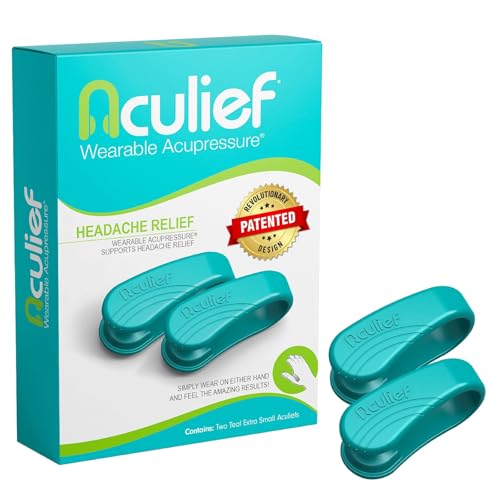
Aculief Wearable Acupressure Hand Clip – Stress-Management Wearable & Wellness Tool – Portable Relaxation Aid & Acupressure Devices – Pack of 2, X-Small, Teal
Natural Wellness Tool: Aculief Wearable Acupressure Hand Clip offers a practical solution for stress management. This acupressure hand…
As an affiliate, we earn on qualifying purchases.
As an affiliate, we earn on qualifying purchases.

Cosori Smart Food Kitchen Scale with Nutritional Calculator, Free App for AI Scan, Calorie & Macro Tracking, Food Preload, On-Screen Nutrient Info, Personal Goals, Rechargeable, 11 lb / 5 kg
𝐒𝐤𝐢𝐩 𝐭𝐡𝐞 𝐍𝐮𝐭𝐫𝐢𝐭𝐢𝐨𝐧 𝐆𝐮𝐞𝐬𝐬𝐰𝐨𝐫𝐤: Accurately weigh and view 19 essential nutrients including calories, protein, carbs, and fat using…
As an affiliate, we earn on qualifying purchases.
As an affiliate, we earn on qualifying purchases.