
In game economics, balancing battle passes, subscriptions, and legal policies is key to keeping players engaged and trusting developers. You want to offer fair rewards and transparent monetization so players feel valued, not exploited. Overpricing or unfair practices can hurt reputation and retention. Staying compliant with laws around microtransactions and data privacy is equally important. If you continue exploring, you’ll discover how smart strategies foster long-term loyalty and a healthier gaming environment.
Key Takeaways
- Laws regulate microtransactions, ensuring fairness and transparency to protect consumer rights in game monetization.
- Battle passes and subscriptions are designed to promote ongoing engagement while balancing monetization and player satisfaction.
- Proper management of in-game currencies and rewards influences player trust and long-term retention.
- Developers must comply with local laws to avoid legal issues and foster positive player relationships.
- Transparent monetization strategies and fair microtransaction practices are essential for legal compliance and player loyalty.

Game economics refers to the way in-game currencies, rewards, and resources are designed to influence player behavior and engagement. As a player, you might notice how certain mechanics keep you coming back or, conversely, how they push you toward spending real money. One key element in modern game economics is microtransactions, which can present issues if not managed carefully. Developers often introduce microtransactions to generate revenue, but if these are overly aggressive or feel unfair, they can lead to dissatisfaction and even push players away. When microtransactions are handled poorly, players may feel pressured or exploited, leading to what’s known as microtransactions issues. This can undermine trust and hurt player retention over time.
Overly aggressive microtransactions can lead to player dissatisfaction and long-term trust issues.
On the flip side, microtransactions can be used effectively to enhance your experience without feeling intrusive. For example, cosmetic items that don’t affect gameplay often serve as a way for players to customize their experience, making microtransactions feel less like a necessity and more like an optional enhancement. Developers who balance this well tend to see higher player retention because players don’t feel forced into spending, yet still find value in optional purchases. When microtransactions are transparent and fair, players are more likely to stay engaged and remain loyal to the game. If microtransactions are too pushy or feel like a pay-to-win barrier, players might become frustrated and lose interest, diminishing long-term engagement.
Beyond microtransactions, game designers craft reward systems, such as battle passes and subscription models, to keep you invested. These systems are meant to give you a sense of progression and achievement, encouraging ongoing participation. For instance, a well-designed battle pass offers a steady stream of goals and rewards, motivating you to log in regularly. But if the rewards feel too sparse or the grind becomes excessive, your motivation can wane, harming player retention. Subscriptions, on the other hand, promise ongoing benefits—like exclusive content or bonuses—that can foster a sense of ongoing value. When these systems are well-implemented, they create a cycle where you’re constantly motivated to keep playing and engaging with the game. Additionally, designing reward systems that incorporate cultural relevance can deepen your emotional connection and enhance your overall experience.
Ultimately, game economics aims to strike a balance between monetization and player satisfaction. If done right, it fosters a sustainable environment where you, as a player, feel rewarded and engaged without feeling exploited. Developers who listen to their community and adjust their in-game economy accordingly tend to retain players longer and build healthier, more lasting engagement. When microtransactions issues are minimized and reward systems are fair and transparent, players are more likely to stay loyal, making the game a rewarding experience for everyone involved.
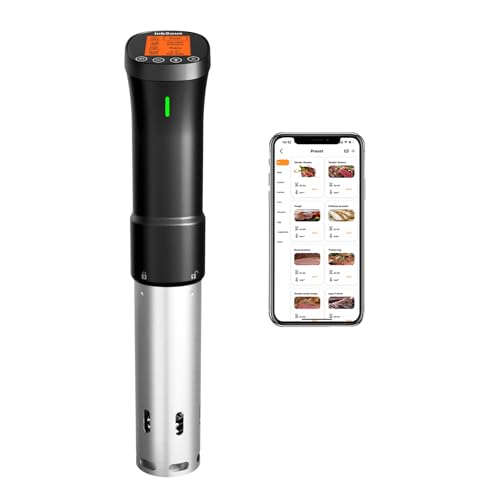
InkSous WIFI 2.4G Sous Vide Cooker 1000W Immersion Circulator with APP 14 Recipes,Alarm,Calibration & Timer, 3D Water Fast Heating Ultra-Quiet Sous Vide Machine
WIFI Sous Vide Enables Precision Cooking: Connect the InkSous 2.4GHz sous vide cooker ISSV-200-W to your 2.4GHz Wi-Fi...
As an affiliate, we earn on qualifying purchases.
Frequently Asked Questions
How Do In-Game Currencies Impact Overall Game Balance?
In-game currencies like virtual currency considerably impact overall game balance by influencing player progression and spending behavior. When you introduce too much virtual currency, it can cause economic inflation, making items cheaper and diminishing their value. This disrupts the game’s economy, potentially giving players an unfair advantage or reducing engagement. Properly managing virtual currency ensures a balanced experience, maintaining fairness and encouraging continued play without inflation issues.
What Legal Protections Exist for Players Against Exploitative Monetization?
Imagine stepping into a game where your rights are shielded like armor. You’re protected by consumer protections laws that prevent exploitative monetization practices, ensuring fairness. These legal safeguards give you recourse if a game crosses ethical lines or misleads you. Your player rights are prioritized, holding developers accountable. So, you can enjoy your gaming experience confidently, knowing laws are on your side to fight against unfair monetization schemes.
Are Battle Passes Considered Gambling Under Current Laws?
Battle passes generally aren’t considered gambling under current laws because they offer rewards for completing challenges or progressing, not chance-based outcomes. However, microtransaction ethics and consumer protection are crucial, as some players worry about potential exploitation or addictive mechanics. You should stay informed about evolving regulations and advocate for transparent practices to guarantee your rights are protected when engaging with these monetization models.
How Do Subscription Models Influence Developer Revenue Stability?
You benefit from subscription models because they provide more predictable revenue streams, helping you avoid being caught off guard by microtransaction ethics issues or subscription fatigue. These models act like a steady hand in turbulent waters, offering developers financial stability and allowing them to plan long-term projects. By securing consistent income, you can focus on quality, knowing your revenue isn’t as vulnerable to fluctuating player spending habits.
What Regulations Govern Loot Box Mechanics Internationally?
International regulations on loot box mechanics vary, but many countries have implemented loot box legislation to protect players. Some, like Belgium and the Netherlands, classify loot boxes as gambling and ban them outright, while others require disclosure of odds or restrict certain features. You should stay informed about international regulations because they directly impact how developers design monetization features, ensuring compliance and avoiding legal issues across different regions.

INKBIRD WIFI Sous Vide Cooker ISV-100W, 1000 Watts Sous Vide Machine Immersion Circulator with 14 Preset Recipes on APP & Calibration Function, Thermal Immersion, Fast-Heating with Timer
Wifi Remote Control: The WIFI sous vide cooker only support 2.4Ghz WIFI, but once connected with the sous...
As an affiliate, we earn on qualifying purchases.
Conclusion
You now see how game economics shape your experience, from battle passes to subscriptions. Did you know that the average gamer spends over $100 annually on in-game purchases? That’s like buying a new game every year just to enhance your play. These strategies keep developers thriving and the industry evolving. So next time you shell out for a new skin or pass, remember, you’re part of a massive economic machine that keeps gaming exciting and profitable.

Anova Culinary Sous Vide Precision Cooker 3.0 (WiFi), 1100 Watts, Stainless Steel
Pros have been doing it for years, and now you can too. Sous vide (pronounced sue-veed) is a...
As an affiliate, we earn on qualifying purchases.

INKBIRD 2.4G Wifi Sous Vide Cooker ISV-200W, 1000W Sous Vide Machine, Remote Control Immersion Circulator with APP Recipes Timer Alarm Mobile Notification 3D Water Heating Ultra-Quiet
2.4GHz Wifi Sous Vide Cooker: Connect the Sous Vide to a 2.4GHz Wi-Fi network via Free APP:INKBIRD, then...
As an affiliate, we earn on qualifying purchases.