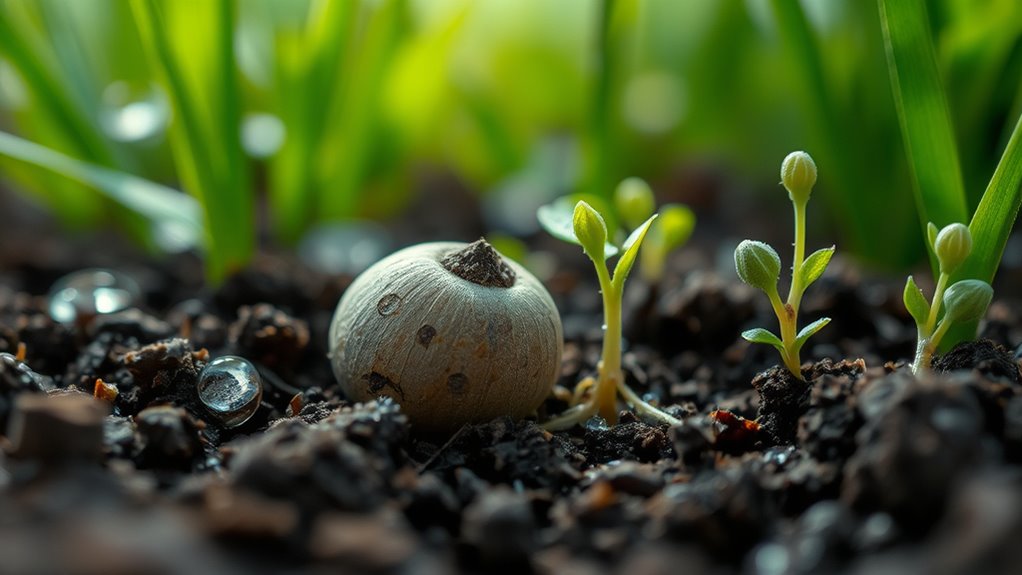

Seeds know when to sprout by sensing environmental cues like moisture, temperature, and light. They detect these signals through specialized structures and chemical reactions that activate enzymes and weaken seed coats. These processes guarantee germination happens only when conditions are just right, preventing wasteful sprouting. If you’re curious about how these tiny sentinels precisely time their growth, there’s more fascinating detail behind their remarkable sensing abilities.
Key Takeaways
- Seeds detect environmental cues like moisture, temperature, and light that indicate favorable conditions for growth.
- They contain sensors and chemical signals that respond to external stimuli to initiate germination.
- Exposure to specific signals, such as cold (stratification) or fire cues, helps break seed dormancy.
- Enzymatic reactions within the seed activate growth processes when conditions are right.
- The seed’s physical structures and internal biochemistry work together to time sprouting appropriately.
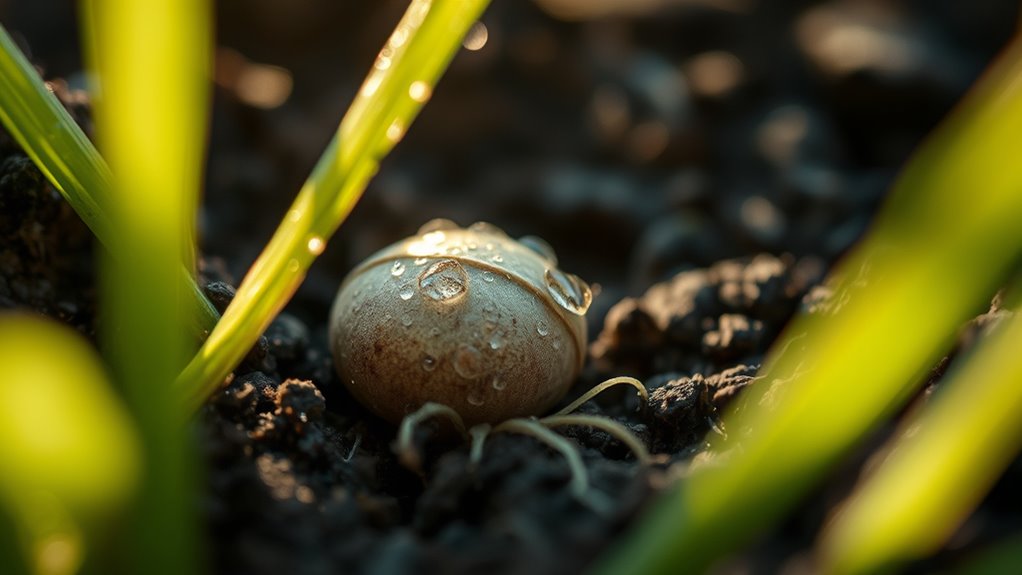
Seeds have an incredible ability to sense when the conditions are right for sprouting, guaranteeing they grow only when survival is most likely. This remarkable skill is largely due to a process called seed dormancy, which keeps seeds from sprouting prematurely. When a seed is dormant, it remains inactive despite being exposed to favorable conditions. This dormancy acts as a safeguard, preventing the seed from sprouting at the wrong time—such as during winter or a drought—when young plants wouldn’t survive. Instead, seeds wait patiently, only awakening when the environment signals it’s safe to grow.
Seeds stay dormant until environmental signals like moisture and temperature indicate it’s safe to sprout.
The key to this timing lies in environmental cues. These cues include factors like temperature, moisture, light, and sometimes even chemical signals in the soil. As conditions change—say, after a rainy season or when the days grow longer—the seed detects these signals and begins the process of breaking dormancy. For example, many seeds require a period of cold stratification, where exposure to cold temperatures triggers physiological changes that prepare the seed to sprout once warmth returns. Others need specific moisture levels; a dry seed won’t sprout until it absorbs enough water to activate enzymes, kickstarting growth processes. Light can also be fundamental—some seeds only germinate when exposed to sunlight, signaling that they’re near the soil surface and ready to grow.
You might wonder how these tiny seeds “know” what’s happening around them. It’s all about their innate ability to respond to environmental cues. Inside the seed, chemical signals and physical structures act as sensors. When the right signals are detected, they initiate a cascade of biochemical reactions that weaken seed coats, activate enzymes, and begin cell division. This coordinated response guarantees that sprouting occurs at the ideal moment, giving the seed the best chance of survival. Interestingly, research shows that some seeds can even sense fire cues, which can break dormancy in fire-adapted ecosystems, ensuring germination occurs after a disturbance.
This intricate system of seed dormancy and environmental sensing isn’t just fascinating—it’s vital for plant propagation. It prevents seeds from sprouting in inhospitable conditions, saving energy and resources. Instead, seeds wait for the perfect mix of moisture, temperature, and light, which signals that the time for growth has arrived. By understanding how seeds use environmental cues to determine when to sprout, you gain insight into the delicate balance of nature and the finely tuned strategies plants have developed to thrive in unpredictable environments.

Kitmiido Seed Sprouting Kit, 2 Large Wide Mouth Mason Jars with Sprout Lids, Blackout Sleeves, Drain Tray, Stainless Steel Stand, Sprouts Growing Kit for Bean, Broccoli, Alfalfa (Yellow+Green)
🥗EASY & HEALTHY SPROUTING AT HOME – Our sprouting kits make it easy to grow a variety of…
As an affiliate, we earn on qualifying purchases.
As an affiliate, we earn on qualifying purchases.
Frequently Asked Questions
Can Seeds Sprout Without Specific Environmental Cues?
No, seeds generally can’t sprout without specific environmental cues. They often remain in seed dormancy until they detect triggers like temperature, moisture, or light. These environmental cues break dormancy, signaling it’s the right time to sprout. Without these triggers, seeds stay dormant, preventing premature sprouting. So, environmental triggers are essential for overcoming seed dormancy and initiating germination, ensuring seeds sprout only under suitable conditions.
How Do Seeds Store Energy During Dormancy?
Ever wondered how seeds stay alive during dormancy? They store energy reserves in the form of starches, fats, and proteins, which provide the fuel needed for sprouting. During seed dormancy, metabolic activities slow down, conserving these energy reserves until environmental cues trigger germination. This clever storage system guarantees that when conditions are right, you’ll see a healthy sprout emerge, ready to grow and thrive.
Do All Seeds Require the Same Conditions to Sprout?
Not all seeds require the same conditions to sprout. You’ll find that seed coats and dormancy mechanisms vary widely among species, helping each seed respond to specific environmental cues like temperature, water, or light. Some seeds need stratification, while others require scarification. You must provide the right conditions based on the seed’s inherent dormancy mechanisms and seed coat properties for successful germination.
Can Artificial Signals Trigger Seed Germination?
Yes, artificial stimulation can trigger seed signaling and prompt germination. You can manipulate environmental cues like light, temperature, or moisture to mimic natural signals, encouraging seeds to sprout. By understanding seed signaling pathways, you can activate them artificially, effectively telling the seed it’s time to grow. This approach offers control over germination, helping you optimize planting conditions and improve crop yields through precise, artificial triggers.
How Long Can Seeds Remain Dormant Before Sprouting?
Seeds can remain dormant for months or even years, depending on the species and environmental conditions. The seed coat acts as a protective barrier, preventing premature germination. To break dormancy, you need to trigger dormancy breaking processes like exposing the seed to warmth, moisture, or light. Once these conditions are met, the seed coat softens, and the seed begins to sprout, signaling the start of germination.

Burpee SuperSeed Seed Starting Tray | 36 Cell Reusable Seed Starter Tray | for Starting Vegetable, Flower & Herb Seeds | Indoor Grow Kit for Plant Seedlings | for Germination Success
EASIER SEED STARTING: Our Burpee SuperSeed tray with 36 flexible pop-out cells is designed to simplify indoor seed…
As an affiliate, we earn on qualifying purchases.
As an affiliate, we earn on qualifying purchases.
Conclusion
So, next time you see a seed sprout just at the right moment, remember—it’s no coincidence. Nature’s subtle signals, like moisture and temperature, work together perfectly, almost as if they’re guiding the seed’s destiny. It’s almost like a secret handshake between the earth and the tiny life waiting beneath. Sometimes, it feels like the universe itself is whispering, “Now’s the time,” reminding you that timing can be beautifully precise, even in the smallest moments.
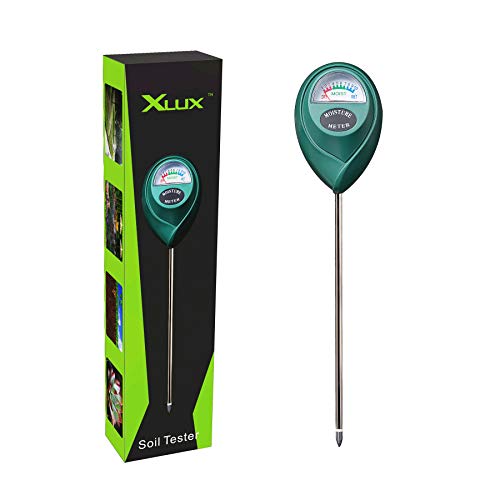
XLUX Soil Moisture Meter, Plant Water Monitor, Hygrometer Sensor for Gardening, Farming, Indoor and Outdoor Plants, No Batteries Required
Accurate Soil Moisture Detection:The XLUX Soil Moisture Meter can tell you if the soil deep inside your pot…
As an affiliate, we earn on qualifying purchases.
As an affiliate, we earn on qualifying purchases.
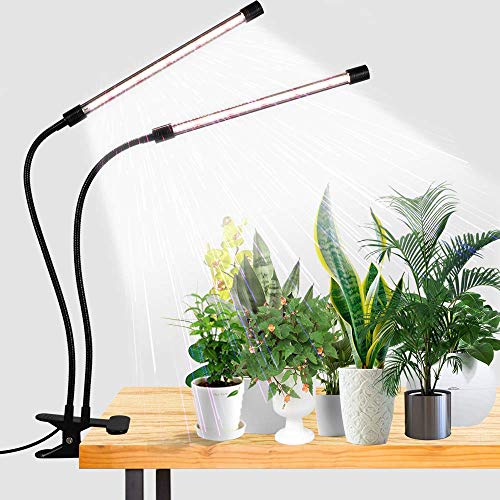
GooingTop LED Grow Light,6000K Full Spectrum Clip Plant Growing Lamp with White Red LEDs for Indoor Plants,5-Level Dimmable,Auto On Off Timing 4 8 12Hrs
6000K White Light – equipped with 10 Red + 74 White LEDs, this growing Lamp is similar to…
As an affiliate, we earn on qualifying purchases.
As an affiliate, we earn on qualifying purchases.