
You’re seeing more scrutiny of sustainability claims because greenwashing has made consumers and watchdogs cautious. Companies often exaggerate or hide facts to appear eco-friendly, which raises doubts about their honesty. Transparency and third-party verification are now essential to build trust, and online reviews or investigations quickly expose false claims. If you want to understand how this increased scrutiny shapes company behavior and consumer choices, keep exploring these evolving trends.
Key Takeaways
- Increased consumer awareness and skepticism expose false or vague sustainability claims.
- Online investigations and social media amplify scrutiny of corporate environmental practices.
- Lack of standardized certifications makes verifying sustainability claims more difficult.
- Transparency and third-party verification are now essential to establish credibility.
- Rising demand for genuine efforts pressures companies to provide verifiable environmental commitments.
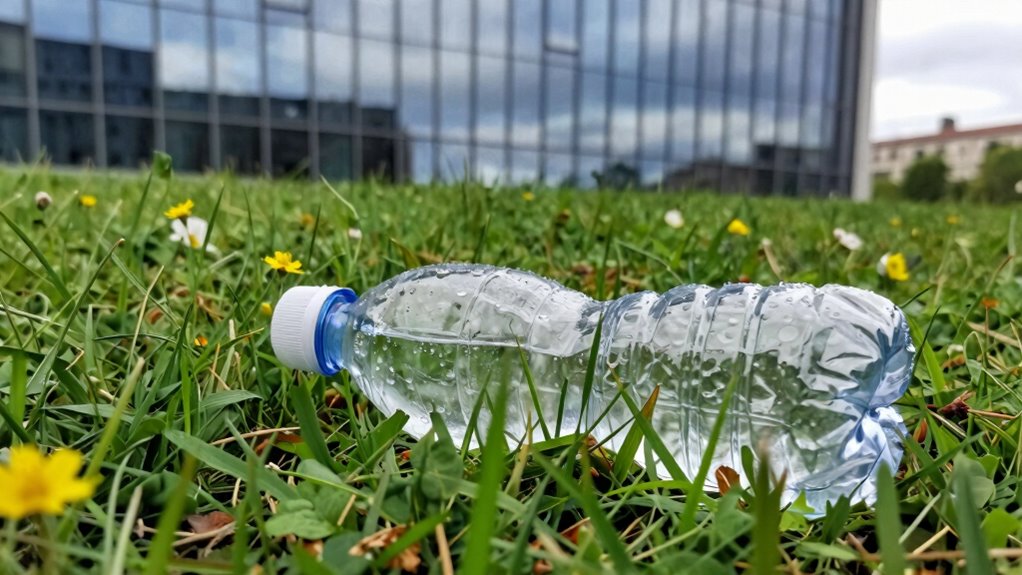
Are sustainability claims in marketing truly reliable? That’s a question many consumers are grappling with today. With the rise of eco-consciousness, companies have increasingly advertised their products as sustainable or environmentally friendly. But this surge in marketing can be misleading, especially when greenwashing risks are involved. Greenwashing refers to the practice where companies exaggerate or falsely claim their environmental efforts to appear more eco-friendly than they actually are. As a result, you might be persuaded to buy a product based on a false impression of its sustainability. This not only misleads consumers but also undermines genuine environmental initiatives.
Sustainability claims can be misleading, risking greenwashing that undermines genuine environmental efforts and deceives consumers.
Consumer skepticism has grown as a response to these deceptive tactics. You’re more aware than ever of how some brands prioritize their image over real sustainability. When you see vague claims like “green,” “eco-friendly,” or “sustainable,” you start questioning whether they’re backed by meaningful action or just clever marketing. This skepticism isn’t unfounded; studies reveal that many sustainability claims are either overstated or lack transparency. Additionally, the lack of standardized certification makes it easier for brands to make broad claims without accountability. When consumers encounter ambiguous or unverified environmental claims, it further fuels doubts about the authenticity of corporate sustainability efforts. A lack of transparency can often mask superficial efforts, making it harder to distinguish genuine initiatives from empty promises. Transparency and third-party verification are crucial in ensuring that sustainability claims are trustworthy and substantiated. Without these measures, it becomes easier for companies to engage in misleading practices that deceive consumers and distort the market. As a result, consumers like you become more cautious, scrutinizing labels and researching brands before trusting their promises. This shift is necessary because, without accountability, greenwashing risks continue to grow, making it harder for honest companies to stand out.
The increase in scrutiny also stems from the proliferation of information available online. You can easily find reports, reviews, and watchdog investigations exposing false claims. Social media amplifies these issues, allowing consumers to share their skepticism and call out brands engaged in greenwashing. When brands fail to substantiate their claims with clear evidence or third-party certifications, your trust diminishes. This heightened awareness pushes companies to be more transparent and honest, knowing that consumers are no longer passive recipients of marketing messages but active investigators of authenticity.
Ultimately, the stakes are higher than ever. As awareness of greenwashing risks rises, companies must demonstrate genuine commitments to sustainability, not just superficial marketing. Your skepticism is an essential safeguard against deception, urging brands to prioritize transparency and accountability. In this climate, sustainability claims face more scrutiny because you demand honesty and proof. The more informed you become, the more you’ll hold brands accountable, encouraging a shift toward authentic environmental responsibility rather than empty promises. This ongoing dynamic helps guarantee that sustainability isn’t just a marketing buzzword but a true commitment to positive change.

Better Wood Products Fatwood Firedrops Firestarters, 1 count (pack of 48)
All-Natural Firestarters: Includes a pack of 48 fatwood firestarters, perfect for quickly starting fires in firepits, fireplaces, wood…
As an affiliate, we earn on qualifying purchases.
As an affiliate, we earn on qualifying purchases.
Frequently Asked Questions
How Do Consumers Verify Sustainability Claims They See?
You verify sustainability claims by researching the company’s ethical branding and checking for third-party certifications like Fair Trade or USDA Organic. Consumer skepticism is common, so you look for transparent information on their website or ask questions directly. You might also compare claims with independent reviews or sustainability reports. By staying informed and critical, you guarantee the brand’s claims match their actual practices, making more ethical choices.
What Are Common Legal Repercussions for False Sustainability Claims?
A stitch in time saves nine. If you make false sustainability claims, you risk legal consequences like fines, lawsuits, and damage to your reputation. Greenwashing tactics, when exposed, lead regulators to scrutinize your practices, possibly resulting in penalties and mandated corrections. You could also face consumer lawsuits and loss of trust, which are harder to recover from than any initial gain. Always guarantee your claims are truthful and substantiated to avoid these repercussions.
Which Industries Face the Most Intense Scrutiny Over Greenwashing?
You’ll find that industries like fashion, cosmetics, and food face the most intense scrutiny over greenwashing. These sectors often rely on corporate accountability and ethical marketing to build trust, but misleading claims can backfire. Consumers and regulators now demand transparency, making it essential for companies to genuinely align their sustainability promises with actions. Failing to do so risks reputational damage and legal repercussions, emphasizing the importance of honest, responsible marketing practices.
How Do Companies Improve Transparency in Sustainability Reporting?
Think of transparency as a clear stream flowing through your company’s landscape. You can enhance it by openly sharing your sustainability goals, progress, and setbacks, making corporate accountability your guiding star. Use verifiable data and third-party audits to build trust, turning your ethical branding into a beacon for consumers. Consistent, honest communication ensures stakeholders see your genuine commitment, transforming scrutiny into an opportunity to showcase your integrity.
What Role Do Third-Party Certifications Play in Validating Claims?
Third-party certifications play a vital role in validating your sustainability claims by ensuring they meet strict certification standards. They verify your efforts in ethical sourcing and responsible practices, giving consumers confidence. When you obtain recognized certifications, you demonstrate transparency and commitment, which helps differentiate your brand and build trust. These certifications act as independent proof that your sustainability claims are genuine, making it harder for misleading claims to go unnoticed.

Disposable Wooden Cutlery Set – 100% Home Compostable – 100 Mix – (40 Forks, 40 Spoons and 20 Knives) 6.5", Bamboo Utensils Alternative, Eco-Friendly, Organic, Sustainable and Carbon Neutral Certified
100% SUSTAINABLE, ECO-FRIENDLY WOOD – Sustainably sourced from our own FSC Certified forests in CHILE. Even our packaging…
As an affiliate, we earn on qualifying purchases.
As an affiliate, we earn on qualifying purchases.
Conclusion
As consumers demand transparency, regulators increase oversight, and companies face growing expectations, your sustainability claims must be clear, credible, and consistent. You can’t afford to neglect honesty, accuracy, or accountability—because the scrutiny isn’t going away. Stand firm by your commitments, embrace transparency, and prioritize integrity. In doing so, you build trust, protect your reputation, and ensure your sustainability efforts truly make a difference. Because in a world of heightened awareness, only authenticity can sustain your success.

SmartSign Verification Write-On Label | 1.5" x 0.625" Vinyl, Pack of 140, Made in USA
SCREEN PRINTED. Labels are screen printed for extra durability.
As an affiliate, we earn on qualifying purchases.
As an affiliate, we earn on qualifying purchases.

Weliu Transparency Film Sheets for Inkjet Printers 30 Sheets, 100% Clear Paper Acetate Sheets for Overhead Projector 8.5 X 11 Inches
Materials: Inkjet Transparency Paper have high-quality PET tablets are adopted for processing, with higher transparency and 100% clear
As an affiliate, we earn on qualifying purchases.
As an affiliate, we earn on qualifying purchases.