

To maintain work-life balance as a hybrid worker, set clear boundaries by designating a specific workspace and defined working hours. Communicate your schedule to colleagues and family to prevent interruptions. Use tools like calendars and task lists to prioritize tasks and take regular breaks. Avoid working outside your set hours and signaling the end of your workday helps you disconnect. Keep these boundaries in mind, and you’ll find it easier to stay focused and protect your well-being. More tips await you.
Key Takeaways
- Clearly define and communicate your work hours to colleagues and family to set expectations.
- Designate a dedicated workspace separate from personal areas to physically separate work from leisure.
- Use a calendar or task list to prioritize tasks and allocate focused work blocks with scheduled breaks.
- Signal the end of your workday by leaving your workspace and avoiding work-related tasks afterward.
- Practice disciplined routines and boundaries to prevent overworking and protect mental and physical well-being.

Maintaining a healthy work-life balance is essential for your well-being and productivity. As a hybrid worker, you have the advantage of remote flexibility, which allows you to choose where and when you work. However, this flexibility can blur the lines between your professional and personal life if you’re not careful. To stay balanced, you need to develop strong boundaries that protect your time and energy. The key to managing this balance is effective time management. When you control your schedule, you prevent work from spilling over into personal moments, reducing stress and burnout.
Remote flexibility offers the freedom to adapt your work hours around your life, but it also requires discipline. You might be tempted to check emails late at night or start early in the morning, but doing so can encroach on your personal time. Instead, set specific working hours and communicate them clearly to colleagues and clients. By establishing a routine, you create a boundary that signals when you’re available and when you’re not. This helps you avoid the trap of being constantly “on,” which can quickly lead to overwork and diminished well-being.
Time management is your most indispensable tool in maintaining these boundaries. Use calendars and task lists to prioritize your work and allocate dedicated blocks of time for focused tasks. When you plan your day thoughtfully, you’re less likely to feel overwhelmed or distracted, and you’ll find it easier to switch off after hours. Incorporate breaks into your schedule to recharge, and be strict about taking them. These moments of rest are crucial for maintaining clarity and energy throughout the day. Additionally, learn to say no when your workload exceeds your capacity, preventing burnout and preserving your mental health.
Creating physical boundaries is just as important as managing your schedule. Designate a specific workspace within your home that’s separate from your personal space. When you leave that area at the end of the day, it signals to your brain that work is done. Similarly, avoid working in areas associated with leisure or relaxation to reinforce these boundaries. Communicate your boundaries to family or housemates so they understand your work hours and respect your need for focused time. Research shows that sound therapy can improve focus and relaxation, which can be beneficial during your designated work time.
Ultimately, balancing work and life as a hybrid worker hinges on your ability to leverage remote flexibility thoughtfully and manage your time intentionally. When you set clear boundaries, you protect your personal space and mental health, making it easier to thrive professionally and personally. By prioritizing disciplined scheduling and physical boundaries, you can enjoy the benefits of hybrid work without sacrificing your well-being.

PU Leather Executive Office Chair, Ergonomic High-Back Computer & Gaming Chair with Adjustable Height, Rolling Swivel & Flip-Up Armrests, Comfy Padded Seat for Home Office-Black
Ergonomic Design:Our mid-back computer chair boasts a contoured wrap-around backrest that follows your body's natural curves, delivering lumbar...
As an affiliate, we earn on qualifying purchases.
Frequently Asked Questions
How Do Hybrid Workers Manage Sudden Work Emergencies at Home?
When a work emergency arises at home, you should stay calm, practicing stress management techniques like deep breathing. Quickly assess the situation, prioritize tasks, and communicate with your team about the emergency. Having an emergency preparedness plan in place helps you respond efficiently. Setting clear boundaries and notifying colleagues guarantees you manage the situation without disrupting your work-life balance, allowing you to handle crises effectively while maintaining your well-being.
What Technology Tools Best Support Boundary Setting for Hybrid Employees?
Balancing boundaries begins with the right tools. You can use digital boundaries apps like Freedom or StayFocusd to limit distractions, while notification management features in apps like Slack and Outlook help you control interruptions. These tools empower you to set clear boundaries, switch off notifications during personal time, and stay focused during work hours. By leveraging technology, you create consistent, calm cues that reinforce your work-life harmony.
How Can Managers Effectively Monitor Remote Workers’ Work Hours?
You can effectively monitor remote workers’ work hours by establishing clear expectations and using performance metrics to track productivity. Regular check-ins promote employee accountability, ensuring everyone stays on target. Utilize time-tracking tools to review work hours without micromanaging, and set transparent goals. This approach helps you support your team’s boundaries while maintaining accountability and measuring performance, fostering trust and work-life balance.
What Are the Legal Considerations for Setting Work Boundaries?
You need to guarantee legal compliance when setting work boundaries, respecting laws on working hours and overtime. Be aware of privacy concerns, avoiding intrusive monitoring that could violate employee rights. Clearly communicate boundaries and obtain consent where necessary. By balancing legal requirements with respect for privacy, you create a fair environment that supports productivity without risking legal issues or infringing on employee privacy rights.
How Do Cultural Differences Impact Work-Life Boundary Expectations?
Cultural differences shape your boundary perceptions more than you realize, sometimes feeling like worlds apart. In some cultures, work is a sacred duty, demanding total devotion, while others prioritize personal time above all else. These cultural norms can cause misunderstandings and friction, making it vital for you to recognize and respect diverse boundary expectations. Adjusting your approach helps foster harmony, ensuring everyone feels valued and understood across different cultural landscapes.
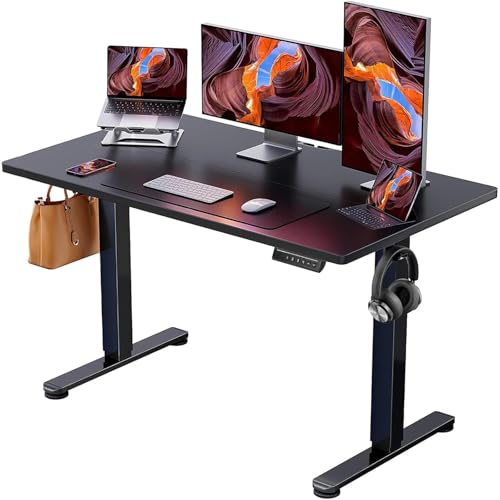
ErGear Height Adjustable Electric Standing Desk, 48 x 24 Inches Sit Stand up Desk, Memory Computer Home Office Desk, Black
Electric Height Adjustable Standing Desk for Comfortable Work - Switch effortlessly between sitting and standing with this electric...
As an affiliate, we earn on qualifying purchases.
Conclusion
Remember, setting boundaries is like planting a garden—you need to tend it regularly to keep weeds at bay. When you establish clear work and personal limits, you create a space where both can thrive. Just like a gardener who knows when to water and when to pause, you’ll find that honoring your boundaries leads to a more balanced, fulfilling life. Prioritize your well-being, and watch your harmony grow.

Hansong Vanity Mirror with Lights Lighted Makeup Mirror with 9 LED Bulbs Plug in Light Up Makeup Mirror with Lights 360 Rotation with 10x Magnifying Mirror Tabletop
Perfect Size - (12"x10" ) The suitable size of makeup mirror with lights allows you to get your...
As an affiliate, we earn on qualifying purchases.

Vanity Makeup Mirror with Lights,Hollywood Vanity Mirror with 3 Color Modes,Lighted Vanity Mirror with Dimmable LED Bulbs &10X Magnification for Desk,Bedroom,Tabletop (White, 20.5" x 15.7")
3 Modes & Dimming Pro Lighting – Experience salon-grade illumination with 3 color temperatures (3000K Natural light /...
As an affiliate, we earn on qualifying purchases.