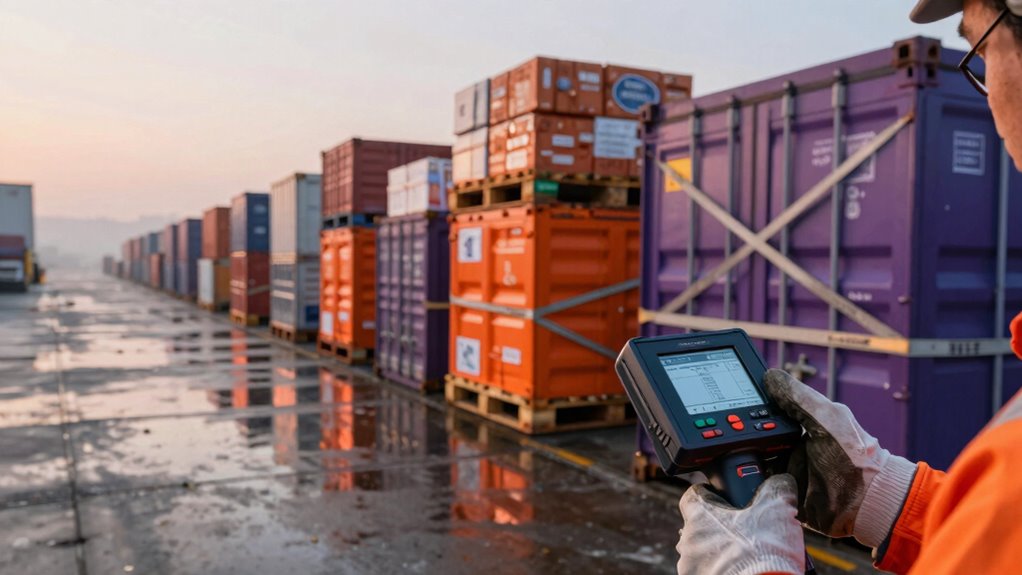

Global shipping costs matter to you because they directly impact the prices you pay for everyday goods like groceries, electronics, and clothing. When shipping becomes more expensive due to fuel costs, supply chain disruptions, or environmental rules, companies often pass those costs onto you. This can make items pricier and less available. Understanding how shipping costs affect prices helps you see why your expenses change, and if you keep exploring, you’ll discover even more about what influences what you pay.
Key Takeaways
- Rising shipping costs increase the prices of everyday products like groceries, clothing, and electronics.
- Supply chain disruptions due to higher shipping expenses can cause product shortages and delays.
- Environmental regulations and greener technology investments raise shipping costs, impacting consumer prices.
- Advances in shipping technology and trade practices can help reduce future transportation expenses.
- Higher transportation costs contribute to inflation, affecting overall affordability for consumers.
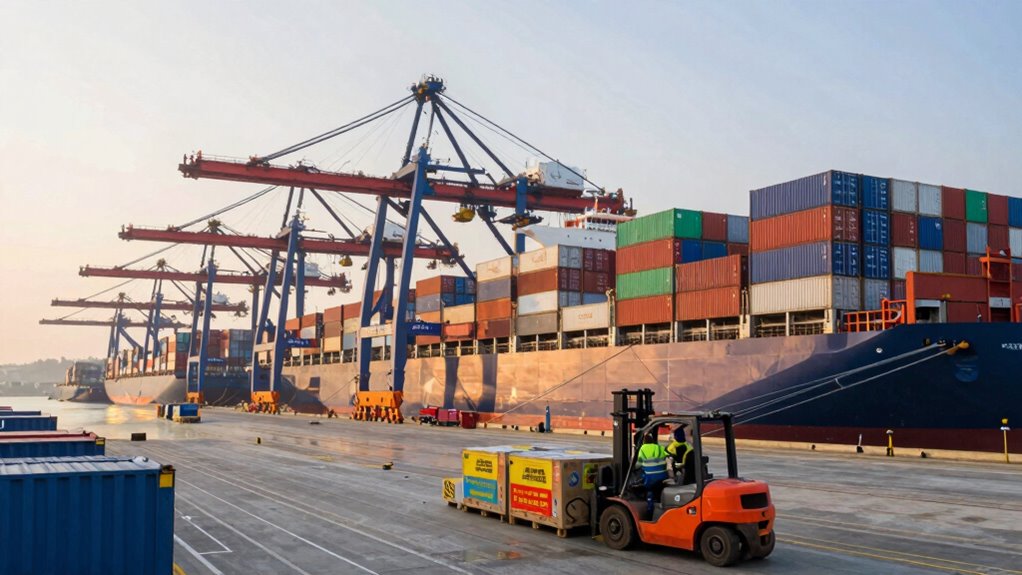
Global shipping costs profoundly impact what you pay for products, especially as prices fluctuate due to rising fuel prices, supply chain disruptions, and changing trade policies. When shipping expenses increase, businesses often pass on these costs to consumers, making everyday items more expensive. This ripple effect is directly tied to the efficiency of the supply chain—the complex network that moves goods from manufacturers to your doorstep. If there are delays or disruptions in this chain, the cost to bring products to market rises, further inflating prices. You might notice higher prices on electronics, clothing, or even groceries, all because the cost of moving goods has gone up.
Rising global shipping costs make everyday products more expensive due to supply chain delays and higher transportation expenses.
The supply chain’s stability plays a critical role here. When shipping becomes more costly or unpredictable, companies may hold off on restocking popular items or shift to more expensive transportation methods. This vulnerability of supply chains can cause shortages or delays, forcing consumers to pay premium prices or settle for less. *Additionally*, the environmental impact of shipping is increasingly influencing costs. Larger ships, longer routes, and more energy-intensive logistics contribute to higher fuel consumption, which in turn raises shipping expenses. As environmental concerns grow, stricter regulations on emissions and greener technology investments also add expenses to the supply chain, which can trickle down to your wallet. Furthermore, the complex network of global trade is continuously evolving due to these environmental and economic pressures. A better understanding of supply chain dynamics can help consumers anticipate changes in product availability and pricing. Moreover, advances in shipping technology are gradually shaping more sustainable and cost-effective logistics solutions, which could eventually help lower costs.
Understanding how these factors intertwine helps you see why global shipping costs matter. They don’t just affect the price tags on products; they influence economic stability and sustainability. When shipping is inefficient or environmentally damaging, it can lead to higher costs overall, including for consumers. For example, companies might choose to source locally to avoid high shipping fees, which can support regional economies but also lead to less variety or higher prices for imported goods. *Furthermore*, the environmental impact of shipping is increasingly influencing costs. Larger ships, longer routes, and more energy-intensive logistics contribute to higher fuel consumption, which in turn raises shipping expenses. As environmental concerns grow, stricter regulations on emissions and greener technology investments also add expenses to the supply chain, which can trickle down to your wallet.
In essence, your everyday shopping habits are directly impacted by global shipping costs. They’re tied to the supply chain’s health, environmental policies, and the broader economic landscape. As fuel prices fluctuate or supply chain disruptions occur, expect to see ripple effects in the prices of the products you buy. Paying attention to these factors helps you understand why some items are more expensive than before and underscores the importance of sustainable, efficient shipping practices for a healthier planet and a stable economy.

Shipping Container Homes: The Complete Step-By-Step Beginner’s Guide to Building a Modern and Sustainable Shipping Container Home, Including Plans, Designs, and Eco-Friendly Ideas
As an affiliate, we earn on qualifying purchases.
As an affiliate, we earn on qualifying purchases.
Frequently Asked Questions
How Do Shipping Costs Influence Product Pricing Locally?
Shipping costs directly influence local product prices because retailers include expenses like packaging fees and customs duties in their pricing. When shipping costs increase, sellers often raise prices to cover these additional expenses. As a consumer, you might notice higher prices for imported goods or products with complex packaging. Understanding this helps you see how factors like customs duties and packaging fees impact what you pay at checkout.
What Factors Cause Fluctuations in Global Shipping Rates?
Shipping rates are like a rollercoaster, driven by supply chain twists and turns. Fluctuations happen because of factors like fuel prices, port congestion, and freight logistics disruptions. When supply chains face delays or shortages, costs spike. Additionally, global events and seasonal demand put pressure on freight logistics, causing rates to rise or fall. Understanding these factors helps you see why shipping costs can be unpredictable and affect product prices worldwide.
Are There Differences in Shipping Costs Across Regions?
Yes, shipping costs vary across regions due to differences in regional customs and shipping infrastructure. In areas with well-developed infrastructure, shipping tends to be faster and cheaper. Conversely, regions with complex customs procedures or limited infrastructure face higher costs and longer delivery times. As a consumer, you might notice these regional disparities affecting the price and speed of your deliveries, especially when ordering from international sellers or remote locations.
How Do Shipping Delays Affect Consumer Prices?
Shipping delays can increase your costs by causing customs delays and needing extra shipping insurance. When customs hold packages longer, carriers often charge extra fees, which get passed on to you. Plus, if you want to protect your order during unpredictable delays, you’ll need to buy shipping insurance, adding to the overall price. These factors make your purchases more expensive and can extend delivery times, impacting your shopping experience.
Can Consumers Reduce Shipping Costs When Ordering Online?
You can reduce shipping costs by exploring alternative shipping methods, comparing options, and choosing slower, cheaper options when possible. Using local pickup, consolidating orders, or selecting eco-friendly carriers can lower expenses and lessen environmental impact. These choices help you save money while supporting sustainability. By being mindful of shipping options, you make smarter, more eco-conscious decisions that benefit both your wallet and the planet.

Sustainable Solutions for Transportation and Logistics
As an affiliate, we earn on qualifying purchases.
As an affiliate, we earn on qualifying purchases.
Conclusion
So, next time you shop online, remember that your purchase has a direct link to global shipping costs. Did you know that shipping fees can add up to 30% of a product’s price? That means a small change in shipping expenses can substantially impact what you pay. Staying aware of these costs helps you make smarter choices and appreciate how interconnected our world really is. Every package you receive is part of a bigger, global story.

Siasky Siphon Pump 200cc Fluid Transfer Pump(2nd Generation), Fuel Transfer Hand Pump Kit for Gas, Oil, Water and Liquids, Efficient and Lightweight
- High Transfer Rate: Up to 3 gallons per minute
- Lightweight and Durable: Made from solid ABS material
- Ergonomic Handle: Circular handle design for ease of use
As an affiliate, we earn on qualifying purchases.
As an affiliate, we earn on qualifying purchases.