
📊 Full opportunity report: Build vs Buy a Prebuilt AI Workstation on ThorstenMeyerAI.com — validation score, market gap, and execution plan.
TL;DR
In 2026, the traditional cost advantage of building your own AI workstation has diminished due to component shortages and price spikes. Buyers now must consider cost, time, thermal management, warranty, and control when choosing between building and purchasing prebuilt systems.
In 2026, the long-held assumption that building a custom AI workstation is always cheaper than buying a prebuilt has been overturned due to component shortages and rising prices. This shift impacts professionals, hobbyists, and enterprises deciding how to acquire high-performance AI hardware.
Component shortages and price spikes for DDR5 RAM, GPUs, and SSDs have made DIY builds more expensive, with costs now often exceeding $1,250 before licensing. Meanwhile, prebuilt manufacturers like Lambda, Puget, and BIZON, which purchase components in bulk and conduct extensive thermal validation, are offering systems at prices competitive with or even lower than DIY options.
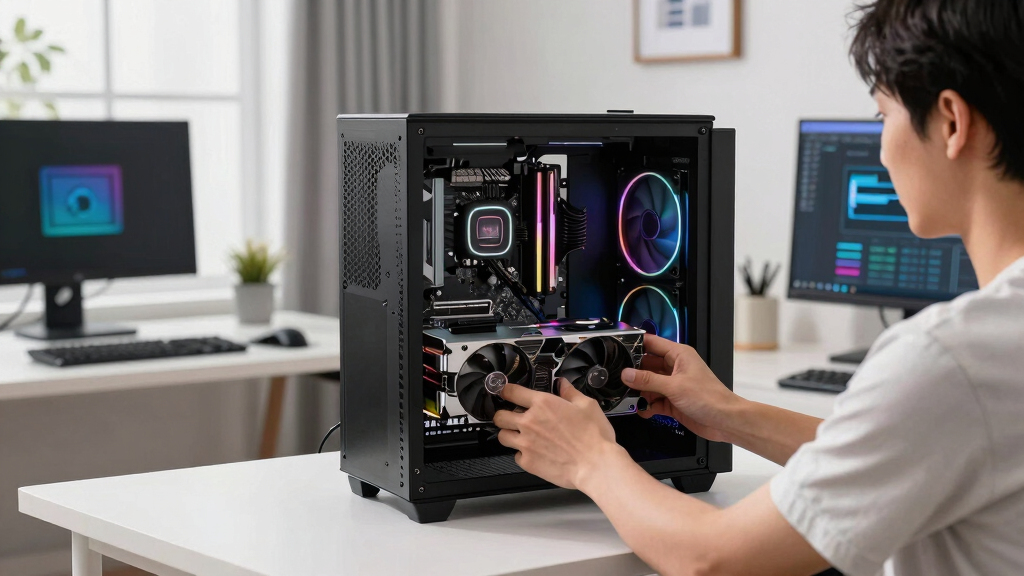
Prebuilt systems include factory-tuned thermal management, water-cooling options, and warranties, reducing the complexity and risk for users who prioritize plug-and-play solutions. Conversely, building your own rig offers control over component selection, cooling strategies, and future upgrades but requires thermal expertise and time investment.
Market dynamics driven by supply shortages have made the cost advantage of DIY builds less clear, forcing buyers to compare prices and benefits of both options more carefully than in previous years.
Build vs buy
an AI workstation.
The real question behind this whole series: do you pull the five heat-and-noise levers yourself, or buy a prebuilt where the vendor pulled them for you? And in 2026, the old “building is cheaper” rule has broken. Match your situation in Part 3.
Implications of Rising Hardware Costs in 2026
This shift affects how professionals and enthusiasts plan their AI infrastructure investments. The traditional cost-saving appeal of DIY building has diminished, making prebuilt systems more attractive for those seeking reliability, thermal validation, and warranty support. It also influences market competition and pricing strategies among hardware vendors, impacting the overall AI hardware ecosystem.

Adamant Custom 16-Core Liquid Cooled AI Workstation Desktop Computer PC AMD Ryzen 9 9950X3D2 Dual Edition X870 Prime 48GB DDR5 1TB NVMe GEN4 SSD 850W Radeon AI Pro R9700 32GB 3 Year Warranty
- California Sales Notice: Contact us for California sales
- Powerful CPU: 16-core AMD Ryzen 9 9950X3D2 4.3GHz
- Liquid Cooling: 360mm AIO liquid cooler included
As an affiliate, we earn on qualifying purchases.
As an affiliate, we earn on qualifying purchases.
Component Shortages and Market Trends in 2026
Over the past year, shortages of DDR5 RAM, high-end GPUs, and SSDs have driven prices upward. Bulk purchasing by large vendors has allowed them to offer systems at prices that are now difficult to match through individual component sourcing. This market environment has disrupted the longstanding rule that building is always cheaper than buying, especially for high-performance AI workstations.
"The traditional advantage of DIY building has been eroded by component shortages and price hikes in 2026, making prebuilt systems more competitively priced than ever before."
— Thorsten Meyer, AI hardware expert

AI Systems Performance Engineering: Optimizing Model Training and Inference Workloads with GPUs, CUDA, and PyTorch
As an affiliate, we earn on qualifying purchases.
As an affiliate, we earn on qualifying purchases.
Remaining Questions About Cost and Performance
It is still unclear how long the current supply shortages and price spikes will persist, and whether new hardware releases later in 2026 could alter the market dynamics further. Additionally, the precise cost-benefit balance may vary based on individual needs, location, and access to bulk purchasing options.

HP ZBook 8 G1ak, 14" Touchscreen, AMD Ryzen AI 7 PRO 350, 32GB RAM, 1TB SSD
- Professional Performance and Mobility: Powerful, portable workstation with long battery life
- AMD Ryzen AI 7 PRO 350: Fast processor with AI acceleration and 8 cores
- Dedicated AMD Radeon 860M Graphics: Smooth visuals for creative and professional tasks
As an affiliate, we earn on qualifying purchases.
As an affiliate, we earn on qualifying purchases.
Future Market Developments and Buyer Decisions
Market analysts expect continued volatility in component pricing through 2026, with potential stabilization if supply chains improve. Buyers should monitor vendor offerings, compare total costs including warranties and thermal validation, and consider their own technical expertise when choosing between building and buying. Additionally, new hardware releases or further supply chain disruptions could shift the landscape again.
As an affiliate, we earn on qualifying purchases.
Key Questions
Is building a DIY AI workstation still cheaper than buying prebuilt in 2026?
Not necessarily. Due to component shortages and price increases, prebuilt systems from reputable vendors can now be priced competitively or even lower than DIY builds for similar configurations.
What are the main advantages of buying a prebuilt AI workstation?
Prebuilts offer plug-and-play convenience, validated thermal performance, extended warranties, and reduced setup time, making them ideal for professionals who prioritize reliability and support.
Can I upgrade a prebuilt AI workstation later?
It depends on the system design, but many high-end prebuilts allow upgrades for storage, RAM, and sometimes GPUs. However, some components may be more difficult to replace or upgrade than in a custom build.
How do supply shortages affect future prices of GPU and RAM for AI workstations?
Supply shortages tend to keep prices elevated in the near term, but they may stabilize if supply chains improve or new hardware is released later in 2026.
What should I consider when choosing between building and buying in 2026?
Consider your budget, technical expertise, time availability, need for warranty and support, and whether current market prices favor prebuilt systems or DIY builds for your specific configuration.
Source: ThorstenMeyerAI.com