
TL;DR
Pop culture collectibles span toys, cards, posters, and digital assets. Their value hinges on rarity, condition, and popularity, with recent trends like NFTs transforming the scene. Knowing these factors helps you buy, sell, or start your own collection smartly.
Imagine holding a piece of your favorite universe in your hands—an action figure, a rare trading card, or a signed poster. These are more than just fandom tokens; they’re pieces of cultural history that can appreciate in value and offer a thrill to collectors.
Pop culture collectibles cover a vast landscape—from vintage Star Wars toys to limited-edition sneakers tied to entertainment. Whether you’re in it for nostalgia, investment, or both, understanding what makes a collectible valuable is key. This guide will walk you through the essentials, recent trends, and practical tips to enhance your collecting journey.
Rarity, condition, and authenticity are the pillars of a collectible’s value.
Digital assets like NFTs are changing how fans own and trade pop culture items.
Always verify provenance and authenticity to avoid fakes and scams.
Special limited editions and collaborations often fetch premium prices.
Starting with focused research and reputable sources will set you up for success.
What Exactly Are Pop Culture Collectibles — And Why Do They Matter?
Pop culture collectibles are tangible items tied to entertainment, sports, music, movies, TV shows, or comics. Think of them as souvenirs of your favorite stories, characters, or moments. They include action figures, trading cards, posters, signed memorabilia, and vintage items from decades past.
These items matter because they serve as physical links to the stories and characters that fans cherish, often evoking nostalgia and emotional connections. Beyond sentimentality, they also function as tangible assets—some appreciating significantly over time. The rarity of certain items, their condition, and their cultural relevance influence their desirability and market value, transforming simple fandom tokens into potential investments. For example, owning a mint-condition vintage Star Wars figure from the 1970s doesn’t just mean nostalgia but could also represent a lucrative asset if sold at the right time. Similarly, a signed Marvel poster isn’t just a display piece; if authenticated and limited, it can become a highly sought-after collector’s item. This dual role of collectibles—as both emotional artifacts and potential investments—underscores their importance in the broader cultural and economic landscape.
As an affiliate, we earn on qualifying purchases.
The Top Types of Pop Culture Collectibles and What Makes Them Valuable
If you’re new to collecting, knowing the main categories is a great start. Each has its own appeal and factors that influence value. But understanding why certain items fetch high prices helps collectors make smarter choices and recognize opportunities.
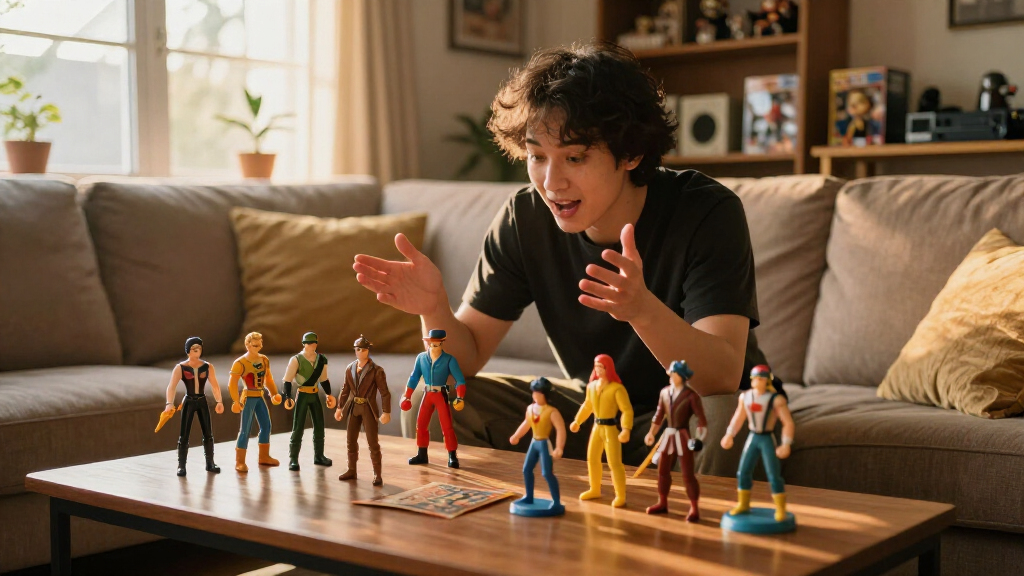
- Action Figures & Toys: Vintage Star Wars figures from 1977-1985 are prized because they represent a pioneering era of toy design and nostalgia. Rare variants like the first Darth Vader or Boba Fett are highly sought after, not just for their rarity but because they symbolize the origins of modern collectibles. Modern figures from Marvel and DC can also hold value, especially limited editions or those with unique features, because they tap into ongoing fan interest and franchise longevity. The tradeoff here is that newer figures often depreciate quickly unless they are rare or signed, while vintage items tend to appreciate but require careful preservation.
- Trading Cards: Pokémon’s 1st Edition Shadowless Charizard commands hundreds of thousands if graded mint because of its rarity, iconic status, and the booming Pokémon nostalgia. Similarly, sports cards like Michael Jordan’s rookie or rare baseball cards can fetch millions at auction, reflecting their status as both memorabilia and investment assets. The significance of these cards lies in their scarcity and condition—poorly preserved cards lose value, while graded, pristine copies can exponentially increase in worth. This creates a delicate balance between preservation and market demand.
- Posters & Art Prints: Limited editions, especially signed or framed, increase visual appeal and collectibility because they often mark special events or limited runs. A rare concert poster from a legendary band can skyrocket in worth if it’s authenticated and in excellent condition. The key is that rarity and provenance—knowing the history behind the print—are what drive prices higher. These items also serve as cultural artifacts, encapsulating moments in entertainment history.
- Autographed Items: Signed photos, scripts, or jerseys add authenticity and personal connection, making them more desirable. Provenance and authentication are crucial here because they verify the item’s origin, which directly impacts value. For example, an authentic signed Michael Jordan jersey with verified provenance can be worth thousands, whereas a similar unsigned item has little market impact. The tradeoff is that autographed items can be faked, so verification is essential for maintaining value.
- Vintage & Rare Items: First editions, prototypes, or items with historical significance often become highly sought after because they represent the origins or pivotal moments of a franchise or technology. Think of original Marvel comics or early video game cartridges—they’re prized because of their rarity and importance to the story of pop culture evolution. Their value is often tied to their condition and provenance, and their scarcity makes them prime targets for collectors seeking to own a piece of history. The implication for collectors is that these items can serve as both nostalgic treasures and appreciating assets, but they require careful authentication and preservation.
Value hinges on rarity, condition (graded or pristine is better), authenticity, and how much fans love the franchise or character. Recognizing these factors helps collectors prioritize their investments and understand the market dynamics that influence prices.
Limited edition pop culture posters
As an affiliate, we earn on qualifying purchases.
As an affiliate, we earn on qualifying purchases.
How to Spot a Rare Gem and Avoid Fakes in the Market
Finding a rare collectible is exciting — and tricky. Rarity, condition, and authenticity matter more than ever in a booming market where demand often outpaces supply. Knowing how to evaluate these aspects can save you from costly mistakes and help you make informed decisions.
- Research the Market: Check recent sales on eBay or specialized auction sites, paying attention to sale prices for similar items in comparable condition. This helps you understand current market values and identify genuine scarcity. Recognizing trends, such as which items are appreciating or declining, gives you an edge in timing your purchases or sales.
- Authenticate: Use trusted grading services like PSA, Beckett, or CGC. These organizations examine and certify items for condition and authenticity, providing a standard that buyers and sellers trust. An authenticated, graded item typically commands a premium and provides peace of mind, especially when dealing with high-value collectibles.
- Inspect Condition: Mint or near-mint grades fetch top dollar because they reflect minimal wear or damage. Carefully examine for signs of wear, tears, fading, or repairs that can significantly reduce value. Understanding the grading scale helps you assess whether an item is worth investing in or selling.
- Verify Provenance: Demand clear history or receipts, especially for high-value or autographed items. Provenance not only boosts value but also reduces the risk of counterfeit or misrepresented items. A well-documented history reassures buyers about authenticity and condition.
- Avoid Fakes: Watch for poor-quality imitations or items with suspicious provenance. Compare images, fonts, and materials to verified authentic items. Sometimes, fakes are glaringly obvious, but high-quality counterfeits can deceive even seasoned collectors. Using multiple sources and expert opinions can help confirm authenticity.
For example, a graded Pokémon card with a perfect 10 score from PSA is worth significantly more than an ungraded or damaged copy because grading certifies its condition. Always buy from reputable sources or verified sellers to minimize risk. Remember, patience and thorough research are your best tools to avoid fakes and ensure your investments hold their true value.
As an affiliate, we earn on qualifying purchases.
Recent Trends Reshaping the Pop Culture Collectibles Scene
The collectibles world is changing fast. Digital assets, online sales, and media hype now shape the market just as much as the items themselves. These trends influence what’s valuable and how collectors interact with their assets, often creating new opportunities and risks.
- NFTs & Digital Collectibles: Blockchain tech has introduced digital collectibles, like NFTs linked to art, music, or iconic moments. These digital assets can sell for millions, fundamentally altering ownership and transferability. The implications are profound: digital collectibles are more accessible, but they also raise questions about permanence, authenticity, and the environmental impact of blockchain technology. For collectors, understanding these tradeoffs is crucial; digital assets can be highly liquid but may lack the tangible presence and historical significance of physical items.
- Online Marketplaces: Platforms like eBay, StockX, and dedicated collector sites make buying and selling easier globally. The convenience increases liquidity and access but also introduces risks like scams or misrepresented items. Auctions and direct sales are at an all-time high, reflecting a growing and more diverse collector base. This democratization allows newcomers to participate but requires vigilance to avoid counterfeit or low-quality items.
- Authenticity & Grading: Grading companies like PSA and Beckett give buyers confidence, especially for high-value items. Certification not only verifies condition but also helps establish market value and trust. As the market grows, the importance of third-party authentication becomes even more critical, with some high-end sales hinging on certification to prevent fraud.
- Limited Editions & Collaborations: Franchises team up with artists, brands, or designers to create buzzworthy, limited-run items that sell out fast and fetch premium prices. These collaborations often generate hype, but their true value depends on rarity, desirability, and provenance. For collectors, timing and understanding the market sentiment can maximize returns when acquiring such items.
- Media Spotlight & Record Sales: News stories about record-breaking sales push the value of certain collectibles into the mainstream consciousness, attracting new collectors and investors. This hype can inflate prices temporarily, so discerning collectors must differentiate between genuine value and market speculation. Recognizing which items have long-term appeal versus short-term hype is key to sustainable collecting.
For example, a rare sealed Pokémon card from 1999 sold for over $300,000 in 2021, fueled by hype and scarcity, illustrating how media and market trends can dramatically influence value. Digital collectibles like NBA Top Shot have also gained millions in trading volume, showing how modern technology and media narratives are reshaping traditional collecting paradigms. The implications for collectors are clear: staying informed about these trends can open new avenues for investment and enjoyment, but also requires careful analysis to avoid overpaying or falling prey to market volatility.
As an affiliate, we earn on qualifying purchases.
What Drives the Price of a Pop Culture Collectible? The Key Factors
Understanding what pushes a collectible’s price helps you make smarter buying or selling decisions. Several factors influence market value, often interacting in complex ways. Recognizing these can help you identify undervalued items or avoid paying too much for highly sought-after pieces.
| Factor | What It Means |
|---|---|
| Rarity | Few items exist; the scarcer, the pricier. Limited editions or one-of-a-kind pieces are often more desirable because they are harder to find and often come with a sense of exclusivity that drives demand. |
| Condition | Mint or graded items command higher prices because they reflect careful preservation and authenticity. Damage or wear—such as tears, fading, or repairs—can significantly reduce value, sometimes more than expected, because collectors prioritize pristine items for display or investment. |
| Authenticity & Provenance | Verified items with clear history fetch more because they reduce the risk of fakes and establish trust. Provenance can also tell a story that adds sentimental or historical value, making the item more desirable. |
| Popularity | The more a franchise or character is loved, the higher the demand, which drives prices up. Trends can shift, so understanding current fan interests and cultural relevance helps predict future value. |
| Age & Historical Significance | Vintage or historically important items often become highly collectible because they represent milestones or origins of pop culture phenomena. Their significance can increase with time, especially if tied to pivotal moments or rare production runs. |
For instance, a first-edition Pokémon card graded 10 can be worth hundreds of thousands, driven by rarity, condition, and demand. Meanwhile, a vintage Star Wars figure with rare accessories can fetch hundreds or thousands, depending on its condition and provenance. Recognizing these factors allows collectors to evaluate potential investments critically and understand the market’s underlying dynamics, leading to better decision-making and more strategic collecting.
Start Your Collection: Practical Tips for Beginners
Getting into pop culture collectibles can be fun and rewarding. Here are steps to start strong and avoid common pitfalls.
- Set Your Focus: Decide what excites you—Star Wars, comics, sports, digital items. Specializing helps you learn quickly and build expertise, which can lead to better investments and more meaningful collection development.
- Research & Learn: Follow forums, social media groups, and auction sites. Understanding current trends, rare items, and market values gives you an edge and helps you make informed choices. Knowledge reduces the risk of overspending or falling for scams.
- Buy from Reputable Sources: Use trusted dealers, verified auction houses, or official franchise stores. Authenticity and condition are paramount, and reputable sources provide assurances that protect your investments.
- Start Small and Invest in Condition: Focus on well-preserved items with clear provenance. Don’t overspend early on; instead, build gradually as your understanding deepens. High-condition, authenticated items tend to appreciate more reliably over time.
- Document & Store Properly: Keep receipts, certificates, and store collectibles in a dust-free, climate-controlled environment. Proper storage preserves condition and maintains value, especially for high-end items.
- Join Communities: Online forums or local clubs offer advice, trade opportunities, and insider info. Engaging with fellow collectors can provide insights into market trends, help you avoid common mistakes, and enhance your collecting experience.
For example, a rookie collector might start with a few graded Pokémon cards or vintage Star Wars figures, focusing on their condition and provenance. As they learn market trends and value drivers, they can expand into more complex or valuable items, turning their hobby into a strategic investment. The key is to balance enthusiasm with education—building a collection that’s both personally meaningful and financially sound.
Frequently Asked Questions
How can I determine the value of my collectibles?
Start by researching recent sales of similar items, checking condition, and verifying authenticity with trusted grading companies. Online marketplaces and auction results give a good benchmark. When in doubt, professional appraisals can help clarify value.
What are the best ways to authenticate and grade collectibles?
Use reputable grading services like PSA, Beckett, or CGC. They examine and certify items for condition and authenticity, boosting confidence and resale value. Always keep original packaging and receipts when possible.
Which collectibles are currently trending or most valuable?
Vintage Pokémon cards, especially first editions like Shadowless Charizard, remain highly sought after. Rare action figures from the 1970s Star Wars line also fetch top dollar. Digital collectibles, including NFTs tied to entertainment properties, are gaining momentum too.
Where can I buy or sell collectibles safely?
Trusted platforms include eBay, StockX, and dedicated collector sites. Always check seller reviews, ask for provenance, and consider using escrow services for high-value items. Attending conventions or auctions can also be safe options.
How do I preserve and store collectibles to maintain their value?
Keep items in a climate-controlled, dust-free environment. Use protective cases, acid-free backing, and avoid direct sunlight. Document all details and store receipts or certificates securely to prove provenance.
Conclusion
Pop culture collectibles are more than just fun keepsakes—they’re pieces of history that can grow in value and meaning over time. Whether you’re after nostalgia or a savvy investment, understanding what drives worth is your best tool.
So pick your focus, do your homework, and enjoy the thrill of owning a slice of pop culture. One day, that rare item could be your most valuable treasure — a tangible connection to the stories that define our era.