
📊 Full opportunity report: How To Score Influencers For DTC Product Launches on IdeaNavigator AI — validation score, market gap, and execution plan.

Get movie nights delivered free with Prime
- Fast, free delivery on millions of items
- Prime Video, Amazon Music and more included
- Member-only deals all year
TL;DR
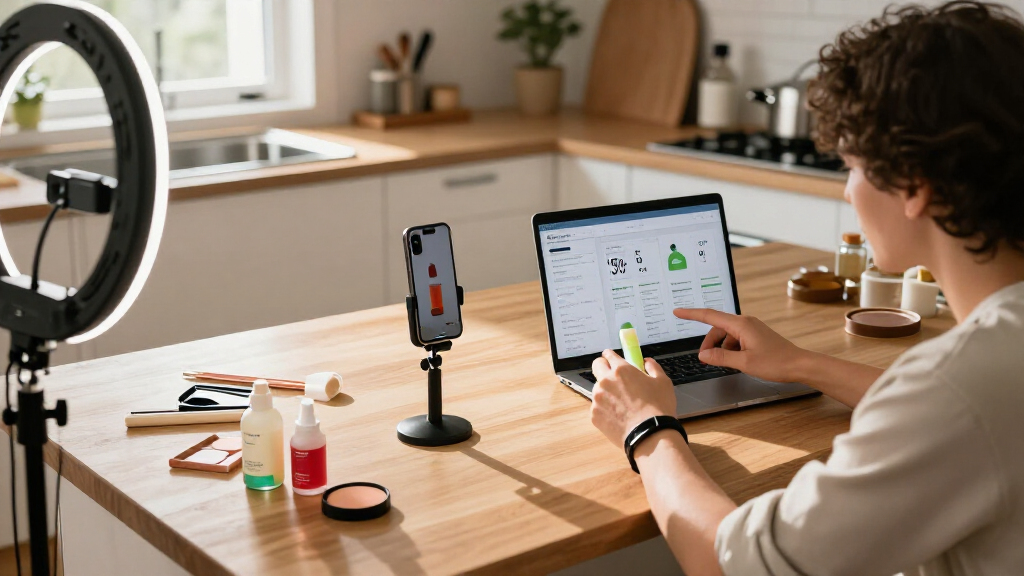
IdeaNavigator AI proposes a focused scoring workflow for direct-to-consumer brands choosing influencers for product launches. Its suggested validation is to rank rosters for 10 launches before they happen, then compare those predictions with attributed sales; no test results or proven performance are provided.
IdeaNavigator AI has proposed a tool to help direct-to-consumer brands rank influencers for product launches, using audience fit, engagement authenticity and available category sales history. The proposal also sets out a validation test across 10 launches, but reports no completed test or evidence that the scoring method improves sales.
The proposed product is aimed at one buyer: a DTC brand planning an influencer roster for a launch. A brand would enter its product and target customer, and the tool would return a ranked list of candidate influencers with suggested offer structures. The scoring inputs would include audience-fit signals and signs of authentic engagement, alongside category conversion history where that data is available.
The business proposal describes a subscription model tiered by roster volume. It places the idea in the influencer marketing analytics market and argues that brands can have useful attribution data, including affiliate links, post-purchase surveys and paid social advertising data, spread across separate systems. The proposed tool would bring those signals together for roster decisions.
To test whether the rankings are useful, the proposal recommends scoring influencer rosters before 10 launches, sealing the predictions, and comparing them with realized sales attributed to each influencer. That design would let a team assess forecasts against later outcomes rather than adjusting its rankings after seeing which creators performed. No results, product availability, customer trials or independent evaluation are included in the proposal.
A Test of Better Launch Rosters
For DTC teams, the commercial question is whether a roster can be chosen more systematically before launch, rather than judged mainly by follower counts or informal impressions. If a scoring tool can distinguish creators likely to reach the target customer and generate attributed purchases, it could inform how brands divide launch budgets and structure offers.
The proposal also points to a potential learning benefit: recording predictions and comparing them with sales could help a brand improve its future selection and pricing decisions. That benefit depends on reliable attribution and repeated, comparable tests. A ranking alone does not establish that an influencer caused a sale, and the proposal provides no evidence yet that its suggested signals can predict results.
influencer marketing analytics tools
As an affiliate, we earn on qualifying purchases.
As an affiliate, we earn on qualifying purchases.
From Scattered Data to Scores
The proposal describes a familiar decision problem in launch planning: brands may select creators using audience size and subjective fit, then find out after the campaign which partners were associated with sales. It characterizes repeated launches as costly learning without accumulated pricing discipline, but offers no survey or dataset to quantify how common or expensive that pattern is.
Some measurement inputs already exist in the form of affiliate links, post-purchase surveys and advertising data, according to the proposal. Its premise is that these signals are fragmented across tools rather than assembled into a consistent pre-launch score. The suggested product would therefore focus not just on collecting campaign results, but on using available evidence to rank candidates before a launch begins.
As an affiliate, we earn on qualifying purchases.
Prediction Versus Attributed Sales
Key details remain unspecified. The proposal does not define how audience fit, engagement authenticity or category conversion history would be measured, weighted or checked for unreliable data. It also does not say how the tool would handle creators with little historical sales information, or whether suggested offers would account for differences in product price, campaign reach and audience overlap.
The proposed comparison depends on what counts as an influencer-attributed sale. Affiliate links and surveys can offer evidence, but the plan does not explain how it would reconcile conflicting signals or separate an influencer’s contribution from other marketing. There are also no reported test outcomes, pricing figures, named customers or details about a product’s development status. The suggested 10-launch test is a validation plan, not proof of predictive accuracy.
influencer engagement authenticity analysis
As an affiliate, we earn on qualifying purchases.
As an affiliate, we earn on qualifying purchases.
Run the Ten-Launch Test
The next step described in the proposal is to score rosters for 10 launches before outcomes are known, preserve those predictions, and compare them with realized per-influencer attributed sales. For the test to be informative, brands would need to state in advance how they define a successful prediction and how they handle missing or disputed attribution data.
Until such results are reported, the idea remains a proposed workflow rather than a demonstrated launch-planning product. Details about a build, rollout, participating brands, subscription prices and any larger validation study have not been provided.
Source: IdeaNavigator AI
influencer sales attribution tools
As an affiliate, we earn on qualifying purchases.
As an affiliate, we earn on qualifying purchases.
Key Questions
What is the proposed influencer-scoring tool?
It is a proposed tool for DTC brands to rank potential launch influencers using audience fit, engagement authenticity and category conversion history where available. It would also suggest offer structures.
Has the scoring method been shown to increase sales?
No results are reported. The proposal recommends testing predictions against attributed sales across 10 launches, but does not say that this test has been completed.
How would the proposal validate its rankings?
It calls for scoring influencer rosters before 10 launches, preserving the predictions, and comparing them with realized sales attributed to each influencer.
What data would inform the scores?
The proposed signals include audience-fit indicators, engagement authenticity and category conversion history where available. The tool is also framed as combining attribution signals such as affiliate links, post-purchase surveys and advertising data.
How would the product charge customers?
The proposed business model is a subscription with tiers based on the volume of influencer rosters scored. No prices or subscription tiers are specified.
Source: IdeaNavigator AI
Halloween Picks
halloween
As an affiliate, we earn on qualifying purchases.