
TL;DR
Pop culture collectibles are objects connected to entertainment and fandom, from figures and trading cards to signed props and digital tokens. Their appeal comes from personal meaning, design, community, and sometimes scarcity, but rarity alone does not make an item valuable. Buy what you enjoy, compare recent completed sales, check authenticity and condition, and set a budget before chasing a limited release.
A plastic figure from your childhood can cost more than the game console you played beside it. That doesn’t make every old toy a jackpot. It does show why pop culture collectibles pull together memory, design, fandom, and the hunt for a hard-to-find piece.

Get movie nights delivered free with Prime
- Fast, free delivery on millions of items
- Prime Video, Amazon Music and more included
- Member-only deals all year
These objects connect you to films, television, comics, games, music, sports entertainment, and online communities. They range from mass-produced toys and trading cards to signed props, tour merchandise, limited prints, and digital items. Some collectors want a shelf that looks like a favorite story; others enjoy comparing editions or meeting fellow fans.
This guide explains what readers should know before buying: how to judge an item’s appeal and price, how to spot common risks, and how to care for a collection. You’ll get practical steps for checking sales and authenticity, plus a reminder worth keeping close: a collectible can be valuable to you even when the market doesn’t agree.
Choose a category or theme you enjoy enough to research and display.
Compare recent completed sales for the same edition and similar condition; asking prices are weaker evidence.
Check authenticity, condition, completeness, seller history, and buyer protections before paying.
Treat limited releases and grading as details to investigate, not promises of future value.
Budget for storage, fees, and care, and buy only at a price you can accept without resale profit.
Start with the stories and objects you already love
Pop culture collectibles are physical or digital objects connected to entertainment and fandom, collected for personal meaning, design, community, scarcity, or a mix of those reasons. The category includes action figures, comic books, records, posters, props, autographs, and digital tokens. A collectible can be common and still feel special if it brings back a favorite scene or time in your life.
For instance, you might collect every version of a character from one animated series, or keep the ticket stub from the first concert you attended. The item becomes a small doorway into a memory. A figure’s glossy paint, the soft crackle of an old comic’s pages, or the bright sleeve of a vintage record can make the connection tangible.
Collectors often build around one category or follow a theme across several. Produced toys and vinyl figures sit alongside prints, while trading cards to game editions and music releases give you different ways to follow a favorite world. A focused collection is easier to research and display than a shelf of impulse buys.
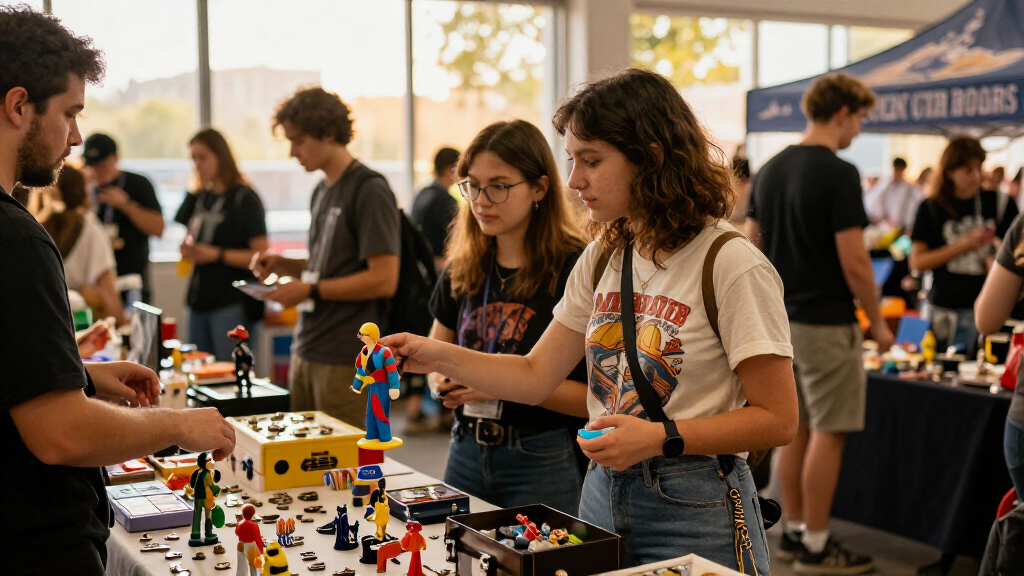
Community adds another layer. At a convention, collectors compare packaging variations; online, they share display ideas and trading tips. Those conversations can teach you details that a product page leaves out, such as a regional release or an accessory that frequently goes missing.
Popular right now

KitchenAid Artisan 5-Quart Tilt-Head Stand Mixer, Almond Cream

Dyson Cyclone V10 Origin Cordless Vacuum

Shark HydroVac MessMaster Wet Dry Vacuum & Mop Combo (AW261)
As an affiliate, we earn on qualifying purchases.
Choose a collecting lane that fits your space and budget
Pop culture collectibles come in several formats, and each asks for different amounts of space, care, and research. A trading card fits in a binder pocket; a life-size prop replica may need a sturdy shelf and careful handling. Pick a lane that suits your home and the kind of collecting you enjoy.
Here’s how common categories differ in practice:
| Category | What you might collect | What to check |
|---|---|---|
| Toys and figures | Action figures, dolls, model kits | Parts, paint, packaging, and edition details |
| Cards and comics | Trading cards, comics, manga | Condition, printing, grading, and completeness |
| Prints and art | Posters, licensed art, animation cels | Edition, signatures, fading, and storage |
| Memorabilia | Autographs, costumes, production props | Provenance and credible authentication |
| Games and music | Special editions, records, tour items | Working condition, inserts, and wear |
| Digital items | Blockchain-based tokens and related items | Platform terms, access, and resale rights |
Imagine that you love a science-fiction series but have one small display shelf. A run of trading cards or a few well-chosen figures may be easier to store than large prop replicas. If you enjoy listening as much as looking, records and special-edition game soundtracks can add a satisfying ritual to your collection.
Digital collectibles need their own kind of scrutiny. A token generally does not automatically give you copyright to its artwork or character. Read the license and platform terms to understand what you can display, transfer, or use commercially, and what access might depend on the service staying online.
Find a price that reflects what buyers actually pay
Pop culture collectibles are worth what buyers will pay for a particular item in a particular condition, not simply the amount printed on an unsold listing. Demand, supply, condition, authenticity, completeness, edition, and timing all affect the price. A rare item without interested buyers can cost less than a common one with a devoted following.
For example, two figures from the same toy line might look identical in a seller’s photos. One has all its accessories and a crisp box; the other is missing its stand and has a crushed corner. A collector who displays the figure may care less about the box than someone building a sealed collection, so even the same item can appeal to different buyers.
Use recent completed sales for the same edition and similar condition as your starting point. Compare more than one marketplace, and account for shipping, fees, grading, and regional differences. An asking price can show what a seller hopes to receive; a completed sale gives stronger evidence of what someone paid.
“Limited” is not a price forecast. A convention exclusive can sell out quickly, then become easy to find if many buyers purchased it for resale. By contrast, an older widely produced item may rise in demand after a reunion, anniversary, or new adaptation. That renewed attention can fade, so avoid treating one busy week as a lasting trend.
Think of a price guide or appraisal as a weather report, not a guarantee. It can help you prepare, but the market may shift before you sell. If you’re buying for enjoyment, decide what the item is worth to you before scarcity or a countdown timer starts making the decision for you.
Check authenticity and condition before you pay
Pop culture collectibles are safest to buy when you can verify what they are, who is selling them, and what condition they’re in. Listings can include counterfeits, vague descriptions, and photos that hide damage. Clear evidence matters most for signed items, production-used props, and high-priced editions.
Before you pay, use this short check:
- Compare details: Look at labels, logos, edition marks, packaging, and known variations in trusted reference photos.
- Inspect condition: Ask about chips, fading, repairs, missing parts, torn seals, and box dents. Request close-up photos in good light.
- Check the seller: Review selling history, feedback, return rules, and whether the price seems plausible beside recent completed sales.
- Trace the story: For autographs or memorabilia, ask for provenance and examine who issued any certificate. A certificate can also be forged, so look into the issuer and its evidence.
- Pay safely: Use a payment method and marketplace with buyer protection; keep communication and the transaction on the platform.
Say you find a signed concert poster at a price far below comparable examples. Ask for sharp photos of the signature and poster, the seller’s account of how it was obtained, and documentation you can independently check. If the seller refuses photos or pushes you to pay outside the marketplace, step back.
Third-party grading and authentication can help document condition or verify signatures, but services charge fees and standards can differ. A grade is not a promise of resale value. Compare the service’s reputation, turnaround, cost, and relevance to your category before sending an item away.
Protect your collection from light, damp, and everyday wear
Pop culture collectibles last longer when you protect them from direct sunlight, moisture, temperature swings, dust, and pests. The right storage depends on the material: paper, fabric, plastic, and electronics can react differently to heat and humidity. A display case can help, but it should not trap damp air or press against delicate surfaces.
For instance, a signed poster hung opposite a sunny window may fade gradually, even if the room looks comfortable. Keep paper items away from bright light, handle them with clean hands, and use suitable archival-quality sleeves or backing. For figures, check that shelves are stable and keep accessories in a labeled container so a tiny blaster or stand does not disappear during cleaning.
Packaging deserves a little thought. Original boxes matter to some toy and figure buyers, while others care more about the item itself. If you keep a box, describe its condition honestly: a dented corner, split seam, or replaced seal can affect desirability even when the figure looks new.
Storage is part of the real cost of collecting. A large prop may need a secure display area; a pile of records needs upright storage and protection from heat. Before buying, ask where the item will live. A bargain can stop feeling like one when it takes over a closet or needs special care you cannot provide.
Keep a simple record of what you own, when you bought it, what you paid, and any documents or certificates that came with it. A folder of receipts and clear photos can help you remember condition and provenance. It also makes it easier to answer questions if you later sell, insure, or share the collection.
Keep collecting fun when hype and resale talk get loud
Pop culture collectibles are most rewarding when your enjoyment comes first and possible resale gains stay uncertain. Prices can rise or fall with fan interest, a new release, a reunion, or a short-lived social media rush. Storage, insurance, marketplace fees, and the time needed to resell can also reduce any return.
Consider a collector who saves for a limited figure from a favorite series. If they love its sculpt and display it for years, the purchase can feel worthwhile even if resale prices fall. If they buy only because a listing promises a quick profit, an oversupply or quieter market may leave them with an expensive box and a disappointing wait.
Set a monthly or per-item budget before you browse. Give yourself time to compare completed sales, and decide on a maximum price that includes shipping and taxes. A simple rule helps: if you would regret owning the item at its full cost without reselling it, pause before buying.
Community can make the hobby richer without making every interaction a transaction. Trade duplicates, ask experienced collectors about editions, visit conventions, or build a display around a story you enjoy. Those connections can matter longer than a temporary price spike.
Digital collectibles deserve the same clear-eyed approach. Interest in tokens has shifted over time, and a buyer’s rights, access, and resale options depend on the platform and license. Read the terms before purchasing, and think about what you would still value if the marketplace changed or vanished.
Frequently Asked Questions
Are pop culture collectibles a good investment?
They can rise in value, but they can also lose it. Treat any return as uncertain and account for fees, storage, insurance, and the time it may take to find a buyer. Buy first for a reason you would still enjoy if the market cooled.
How can I tell if a collectible is authentic?
Compare labels, edition details, and construction with trusted references, then review the seller’s history and ask for clear photos and provenance. For valuable signatures or production memorabilia, consider a reputable specialist. Check the certificate issuer too; a certificate alone is not proof.
How do I find out what an item is worth?
Look up recent completed sales for the same edition and similar condition across more than one source. Factor in shipping, platform fees, grading, and location. Price guides and appraisals can help, but they are estimates rather than guaranteed sale prices.
Does original packaging matter?
Often, especially for toys and figures, but its importance depends on the buyer. A display collector may prioritize the figure, while someone building a sealed collection may care about every box crease and broken seal. Describe any wear or restoration accurately.
Should I get a collectible graded?
Grading can document condition or help verify an item, and it may make some pieces easier to compare or sell. It costs money and does not guarantee a higher sale price. Check the service’s reputation, fees, timing, and relevance to your item before submitting it.
What makes an item rare but not valuable?
Rarity describes limited availability; value depends on demand and what buyers will pay. An uncommon item with few interested collectors can remain inexpensive, while a widely produced figure may command a premium if its character or design has lasting appeal.
Do digital collectibles give me copyright or commercial rights?
Usually, buying a digital token does not automatically transfer copyright to the artwork or character. The license may only allow certain display or transfer rights. Read the platform terms, including what happens if the service changes or shuts down.
Conclusion
Start your collection with one item you would be happy to keep, even if its resale price never rises. Learn its edition details, check recent completed sales, and make room for it before you buy. That small habit turns a rushed hunt into a hobby you can enjoy.
The best collection is not the one with the biggest price tag. It’s the shelf, binder, or record crate that still makes you smile when you pass it.