
Edge AI processes data directly on devices near the sensors or data sources, making devices smarter and more responsive. It reduces delays by analyzing information instantly, without relying on cloud servers. This setup improves task accuracy, speeds up reactions, and saves bandwidth. Power-efficient hardware ensures devices can operate longer, even in remote areas. Want to discover how sensor integration and power optimization boost these capabilities? Keep exploring to see how Edge AI transforms everyday tech.
Key Takeaways
- Edge AI processes data locally on hardware, reducing reliance on cloud servers and lowering latency.
- It enables real-time decision-making for smarter, more responsive devices like autonomous vehicles and industrial sensors.
- Sensor integration with Edge AI ensures immediate data flow, enhancing device safety and efficiency.
- Power optimization techniques allow Edge AI devices to operate longer on limited energy sources.
- The combination of local processing and efficient hardware results in faster, more reliable, and energy-efficient devices.
Edge AI is transforming how devices process data by enabling intelligent computation directly on hardware closer to where the data is generated. Instead of relying solely on cloud servers, your devices can analyze information locally, which reduces latency and improves responsiveness. This shift is especially essential for applications like autonomous vehicles, smart cameras, and industrial sensors, where delays can impact safety or efficiency. One key aspect of making this possible is sensor integration. When sensors are seamlessly connected with edge AI hardware, they feed real-time data directly into the processing units. This tight integration ensures that critical insights are generated immediately, without waiting for data to travel to remote servers. As a result, your devices can make faster decisions, whether it’s adjusting a robot arm, activating a security alarm, or optimizing traffic flow.
Edge AI enables real-time data analysis locally, ensuring faster decisions in autonomous systems, smart cameras, and industrial sensors.
Power optimization also plays a significant role in edge AI’s effectiveness. Unlike cloud-based systems, edge devices often operate on limited power sources like batteries or energy-efficient power supplies. By designing hardware that balances processing capabilities with minimal energy consumption, manufacturers enable longer device operation without frequent recharging or power cycling. When you implement sensor integration with power optimization in mind, you make sure that your devices not only process data swiftly but do so sustainably. For example, smart sensors equipped with low-power AI chips can stay active longer, providing continuous data streams without draining batteries. This is particularly important for remote or hard-to-access locations, where replacing or recharging power sources can be costly or impractical.
Furthermore, power optimization involves smart management techniques, such as dynamic workload balancing and efficient hardware architectures. These strategies help your devices prioritize critical tasks and conserve energy during less demanding operations. When sensors are integrated thoughtfully, they can trigger the device to switch into low-power modes when full processing isn’t necessary, extending the lifespan of your hardware. This synergy between sensor integration and power efficiency maximizes device uptime and reliability, ensuring continuous operation in real-world environments. Additionally, incorporating efficient hardware architectures allows for more effective processing while maintaining low power consumption, which is vital for scalable edge AI deployments.
In essence, by focusing on sensor integration and power optimization, you make your edge AI solutions smarter, more responsive, and energy-efficient. This means faster data processing, lower latency, and longer device life—all essential factors for deploying intelligent systems in diverse, real-world scenarios. As edge AI continues to evolve, these foundational elements will remain central to creating devices that are not only powerful but also sustainable and adaptable to your specific needs.

NVIDIA Jetson Orin Nano Super Developer Kit
The NVIDIA Jetson Orin Nano Developer Kit sets a new standard for creating entry-level AI-powered robots, smart drones,…
As an affiliate, we earn on qualifying purchases.
As an affiliate, we earn on qualifying purchases.
Frequently Asked Questions
How Does Edge AI Impact Data Privacy and Security?
Edge AI improves data privacy and security by processing data locally, reducing exposure risks. You can implement data encryption to safeguard sensitive information during transmission and storage. Access control ensures only authorized users can access device functions and data. By keeping data on the device and applying these security measures, you minimize the risk of breaches and unauthorized access, making your system safer and more private.
What Industries Are Most Benefiting From Edge AI?
You’ll find industries like industrial automation and smart healthcare are reaping big benefits from edge AI. It helps streamline processes, enhance safety, and improve patient outcomes by processing data locally, reducing delays. In industrial automation, it enables real-time monitoring and control, while in smart healthcare, it offers quicker diagnostics and personalized care. As a result, these sectors become more efficient, safer, and more responsive, transforming how they operate daily.
Can Edge AI Operate Without Internet Connectivity?
Yes, you can operate Edge AI without internet connectivity through offline operation and local processing. When devices are equipped with sufficient processing power and storage, they can analyze data directly on-site without needing to connect to the cloud. This setup is especially useful in remote locations or sensitive environments, ensuring continuous functionality, faster response times, and enhanced security by keeping data local and reducing reliance on internet access.
How Does Edge AI Compare Cost-Wise With Cloud Solutions?
Think of edge AI as a well-tuned sports car—initially pricier but more cost-efficient over time. You’ll find it costs less in ongoing expenses because it reduces data transmission and cloud reliance. While deployment can be complex, it ultimately offers better cost efficiency, especially for real-time applications. Cloud solutions might seem cheaper upfront, but over the long haul, edge AI can save you money by minimizing bandwidth and latency costs.
What Are the Future Trends in Edge AI Development?
You’ll see future edge AI development focus on distributed processing to enhance real-time data analysis and decision-making. Innovations will prioritize energy efficiency, allowing devices to operate longer without frequent power boosts. As technology advances, expect smarter, more autonomous devices that process data locally, reducing reliance on cloud connectivity. This trend will improve privacy, lower latency, and optimize resource use, making edge AI more effective and accessible across various industries.
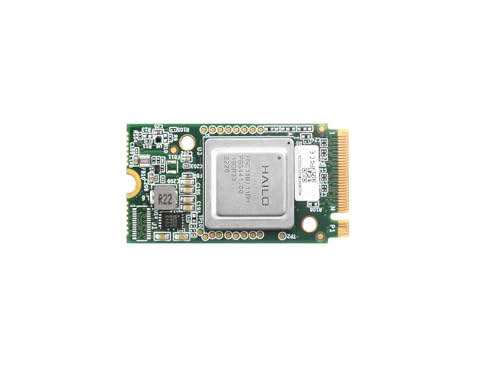
waveshare Hailo-8 M.2 AI Accelerator Module, Compatible with Raspberry Pi 5, Supports Linux/Windows Systems, Based On The 26TOPS Hailo-8 AI Processor, Module Only
✅Powered by 26 Tera-Operations Per Second (TOPS) Hailo-8 AI Processor. 2.5W typical power consumption
As an affiliate, we earn on qualifying purchases.
As an affiliate, we earn on qualifying purchases.
Conclusion
Now that you understand how Edge AI brings smarter devices and reduces latency, you see it’s a game-changer for technology. With data processed right at the source, you get faster insights and more efficient performance. Don’t wait for the dust to settle—embrace this innovation now. It’s clear that staying ahead means staying close to the edge. Keep up, and you’ll always be a step ahead of the curve.
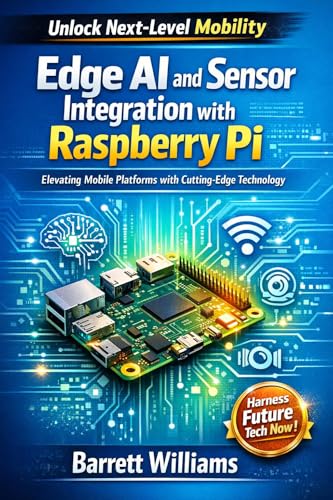
Edge AI and Sensor Integration with Raspberry Pi: Elevating Mobile Platforms with Cutting-Edge Technology
As an affiliate, we earn on qualifying purchases.
As an affiliate, we earn on qualifying purchases.

AI Data Center Infrastructure Engineering: Power Distribution, Liquid Cooling, High-Density Networking, and Energy Efficiency for GPU Training … Hardware & Compiler Engineering Series)
As an affiliate, we earn on qualifying purchases.
As an affiliate, we earn on qualifying purchases.