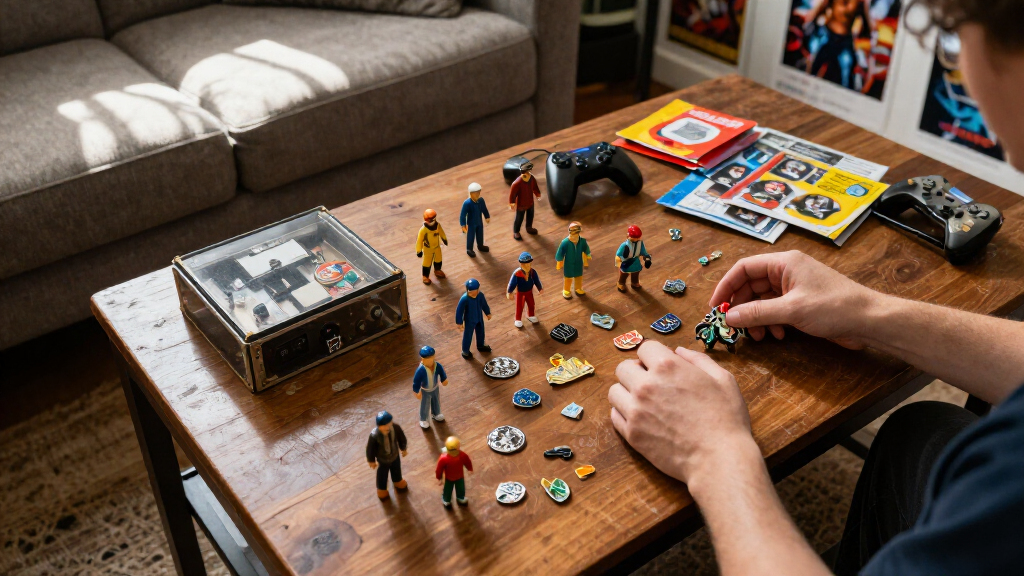

Choosing a pop culture collectible often comes down to what you want from the purchase: a recognizable character on the shelf today, or a set you can build before it becomes part of the display. Funko Pop figures and LEGO sets both draw on popular franchises, but they serve different kinds of collectors. A Pop is a ready-made character figure with a small footprint and a relatively low entry price. A LEGO set asks for a larger budget, room for its pieces, and time to assemble, then rewards you with a model that can become part of a display or be rebuilt.

Get movie nights delivered free with Prime
- Fast, free delivery on millions of items
- Prime Video, Amazon Music and more included
- Member-only deals all year

Funko POP! Star Wars: Darth Vader
- ✔ Material: Vinyl
- ✔ Finish: Matte
- ✔ Height: Approximately 4.45 inches

Funko POP! Movies: Ghostface
- ✔ Material: Vinyl
- ✔ Height: Approximately 3.75 inches
- ✔ Dimensions listed: 4.5 × 3.5 × 6.5 inches
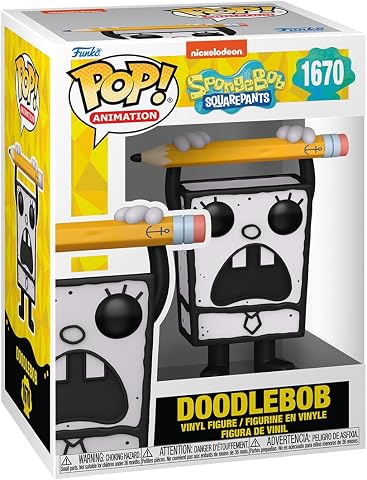
Funko Pop! TV: SpongeBob SquarePants 25th – DoodleBob
- ✔ Material: Vinyl
- ✔ Height: Approximately 4 inches
- ✔ Dimensions listed: 4.5 × 3.5 × 6.5 inches
The central tradeoff is convenience versus participation. Funko is the easier choice for collecting several characters on a budget or filling a compact shelf. LEGO suits people who enjoy building, want a scene or vehicle as well as a character, or plan to share the activity with someone else. Neither guarantees resale value, and both depend on the appeal and availability of particular licensed releases. The better fit depends less on which franchise you like and more on whether you want a finished figure or an experience that produces a model.
At a Glance
| Criteria | Funko Pop figures | LEGO pop culture sets | Winner |
|---|---|---|---|
| Typical entry cost | Usually lower per figure, though rare or exclusive releases can cost more | Often higher per set, with piece count and licensing affecting cost | A |
| Ready-to-display convenience | Ready to place on a shelf after unboxing | Requires building before display | A |
| Building and play | Little assembly; mainly a display figure | Hands-on assembly, with opportunities to play or rebuild | B |
| Display footprint | Compact, with box storage adding extra space if kept | Ranges from small builds to large models that need substantial shelf space | A |
| Character and scene variety | Many character variants, mostly presented as individual figures | Can depict characters, vehicles, locations, or scenes | B |
| Collecting strategy | Easy to collect characters one at a time | Works for collectors who want models or a building hobby as well as a license | A |
| Resale and value uncertainty | Popular or scarce figures may attract demand, but resale is unpredictable | Retired sets may be sought after, but future resale is not assured | Depends |
Funko POP! Star Wars: Darth Vader
Darth Vader takes the top spot because his silhouette and franchise connection give this figure a natural place in a broad pop culture collection. The roughly 4.45-inch height is the tallest stated here, which may help him hold his own beside other desk collectibles. Compared with Ghostface, Vader is easier to pair with other science-fiction and film characters; compared with DoodleBob, he brings a more dramatic tone and a character known across generations of Star Wars fans.The matte vinyl finish suits the character’s restrained, dark look, and the bobblehead construction adds a small point of distinction within this group of static display figures. Still, the figure remains compact, and the description notes that its scale may limit visible detail. We also get no additional accessories or interchangeable pieces, so buyers seeking a highly detailed model or a figure they can re-pose should look elsewhere. For a straightforward, recognizable centerpiece, however, this is the lineup’s most adaptable choice.
Pros:
- Officially licensed Darth Vader design from A New Hope.
- Matte vinyl finish gives the character a subdued display look.
- At about 4.45 inches, it is the tallest stated figure in this comparison.
- Bobblehead construction distinguishes it from the other listed figures.
Cons:
- Small scale may limit the amount of visible detail.
- No accessories or interchangeable parts are included.
- The bobblehead format does not offer controlled posing.
Best for: Star Wars fans and general pop culture collectors who want a recognizable character for a desk, shelf or compact themed display.
Not ideal for: Collectors who prioritize fine sculpted detail, accessories, interchangeable parts or a larger display piece.
Bottom line: We recommend Darth Vader as the most versatile pick here when broad character recognition matters more than scale or extra detail.
“We recommend Darth Vader as the most versatile pick here when broad character recognition matters more than scale or extra detail.”
Funko POP! Movies: Ghostface
Ghostface is the clearest choice for a horror-focused collection. At approximately 3.75 inches tall, the figure has a compact footprint that can fit into a crowded shelf or join a lineup of slasher-film characters without demanding much room. Where Darth Vader has the broadest cross-genre appeal in this group, Ghostface delivers a more specific mood: a recognizable horror icon suited to a collection built around suspense and film villains.The vinyl construction is designed for display, but the product’s appeal rests mainly on the character design rather than interaction or customization. This is a single-piece, non-posable figure, so it cannot be rearranged into new scenes. The compact size also means it will be less prominent than the taller Vader figure, and vinyl can chip if dropped. We would choose it when its horror identity is the point of the purchase; buyers looking for a flexible, highly detailed centerpiece have stronger reasons to consider a different kind of collectible.
Pros:
- Officially licensed Ghostface character design.
- Approximately 3.75 inches tall for tight display spaces.
- Vinyl construction is suited to shelf or desk display.
- Its horror identity gives it a distinct role beside the Star Wars and SpongeBob figures.
Cons:
- No moving parts or poseability.
- The compact stature is less prominent than Darth Vader’s stated height.
- Vinyl may chip if dropped.
Best for: Horror movie fans who want a compact Ghostface display figure or a character-specific addition to a genre shelf.
Not ideal for: Collectors who want articulation, interchangeable pieces, a larger focal point or a character with broad non-horror appeal.
Bottom line: We’d pick Ghostface for a dedicated horror shelf where compact size and genre recognition matter more than flexibility.
“We’d pick Ghostface for a dedicated horror shelf where compact size and genre recognition matter more than flexibility.”
Funko Pop! TV: SpongeBob SquarePants 25th – DoodleBob
DoodleBob is the most visually unusual choice in this trio. The anniversary framing and hand-drawn character concept give it a playful identity that differs from the familiar villain silhouettes of Darth Vader and Ghostface. At about 4 inches tall, it occupies a middle ground in stated height: slightly larger than Ghostface and shorter than Vader. That makes it a plausible fit for a small animation display without competing too heavily for shelf space.This design will make the most sense to fans who recognize DoodleBob and want a specific SpongeBob SquarePants moment represented. Its anniversary edition identity is a stronger differentiator than the basic vinyl construction shared across the lineup. That specificity is also its limitation: buyers unfamiliar with the character may find Vader more immediately legible or Ghostface a clearer genre marker. The figure has no articulation, and the supplied information notes no warranty. Its small stature may also fade in a large display, so we would favor it for a focused animation shelf rather than as a room-wide centerpiece.
Pros:
- Officially licensed DoodleBob design tied to the series’ 25th anniversary.
- Approximately 4 inches tall, between Ghostface and Darth Vader by stated height.
- Distinctive hand-drawn character concept broadens a TV animation shelf.
- Vinyl construction and compact footprint suit desk or cabinet display.
Cons:
- No articulation or pose changes.
- Small stature may be hard to notice in larger displays.
- No warranty is stated in the supplied product information.
Best for: SpongeBob fans and animation collectors who value a distinctive character design and anniversary-themed addition.
Not ideal for: Buyers seeking a large focal collectible, poseable figure, or character that reads instantly to a broad range of visitors.
Bottom line: We recommend DoodleBob when its specific SpongeBob anniversary design is the reason to collect, rather than broad display versatility.
“We recommend DoodleBob when its specific SpongeBob anniversary design is the reason to collect, rather than broad display versatility.”
As an Amazon Associate we earn from qualifying purchases.
Key Differences
Funko Pop figures make it straightforward to bring a character home: the figure is already assembled, occupies little shelf space, and usually costs less than a licensed LEGO set. That makes them a practical choice for collectors who want to represent several franchises or characters without dedicating a large area or budget to each one. Their tradeoff is that most of the purchase is a single display object. The appeal rests on the character, design, and collectibility rather than on an activity after opening.
LEGO sets offer more to do with the purchase. Building takes time, and the finished model may offer a richer scene or a more substantial visual centerpiece than an individual figure. This suits fans who enjoy assembly, hands-on play, or a project to share. Those advantages come with higher typical costs and more varied space demands; a large model can be harder to accommodate than a small figure. Choose LEGO when the build itself matters. Choose Funko when low-friction character display matters more.
Detailed Comparison
Typical entry cost (Funko Pop figures wins — moderate)
Funko Pop usually wins for getting started: one standard figure commonly costs less than a licensed LEGO set. That is a moderate advantage for collectors planning to buy regularly, because the same budget can cover multiple characters or releases. Individual prices vary by market and edition, and rare or exclusive Pops can cost far more than standard ones. LEGO sets also span a wide range, but their piece counts and model designs often make the initial outlay higher. A lower price makes Funko easier to collect; it does not automatically make every figure a better deal.
Ready-to-display convenience (Funko Pop figures wins — moderate)
Funko wins clearly because the figure arrives assembled and can go straight on a shelf. LEGO requires building before the model is ready to display, so even a small set involves extra time and sorting pieces. This is a moderate practical gap: it matters if you want to decorate quickly or dislike assembly, but it will matter less to someone who enjoys building. A Pop’s box can also be part of its presentation, though keeping packaging takes additional storage space.
Building and play (LEGO pop culture sets wins — major)
LEGO wins by a wide margin for hands-on use. Assembly is part of the product, and many sets can be handled, played with, or rebuilt after the initial display. A Pop is primarily a finished figure with limited interaction beyond moving or repositioning it. The gap is major if you want an activity, a shared building project, or something children can incorporate into play. For a collector who prefers an untouched display piece, LEGO’s extra interaction may not justify its cost or building time.
Display footprint (Funko Pop figures wins — moderate)
Funko usually wins for compact display. A single figure fits on a small shelf, desk, or cabinet, while LEGO sets vary from modest builds to models that need much more room. The difference is moderate because the footprint depends on the particular set and collection size: several boxed Pops can also consume a lot of storage, especially if their packaging stays intact. Check the dimensions of a LEGO model before buying it. Choose Funko when shelf space is scarce; choose LEGO when you can give the finished build a suitable place.
Character and scene variety (moderate difference)
LEGO has the edge when you want more than a standalone character. A licensed set may depict a vehicle, setting, group of characters, or scene, turning a favorite franchise into a larger display. Funko’s strength is breadth across individual character figures and variants, which makes it easier to represent several favorites without committing to a large set. This is a moderate, preference-dependent difference: choose Funko for character-by-character collecting and LEGO for a model or scene with more visual context.
Collecting strategy (Funko Pop figures wins — moderate)
Funko wins for building a collection one character at a time. Its relatively low entry cost and compact format make it easy to set a personal rule, such as collecting one favorite character from each franchise. LEGO is a better fit when the goal is a display model, a particular build, or an ongoing building hobby. The gap is moderate and reflects different habits rather than a quality difference. Funko encourages a character-focused shelf; LEGO encourages selection around the builds you want to assemble and keep.
Resale and value uncertainty (minor difference)
Neither option is a reliable investment, so neither wins outright. Some exclusive figures or retired LEGO sets may attract secondary-market interest, but future demand depends on condition, supply, the franchise, and buyers’ tastes. Paying an inflated price on the assumption of later appreciation is a risky way to collect. For value, buy the item you want at a price you find reasonable and treat resale as a possible bonus. This is a minor distinction between the formats and a major reason to avoid buying either solely to profit.
Funko Pop figures: Pros and Cons
Pros:
- Generally lower-cost entry for collecting licensed characters
- Ready to display without building
- Compact and easy to arrange on a small shelf
- Broad choice of characters and variants
Cons:
- Limited hands-on activity after purchase
- Individual figures may offer less visual impact than a larger model
- Keeping boxes can add storage needs
- Rare editions can be expensive, with resale prices uncertain
LEGO pop culture sets: Pros and Cons
Pros:
- Building adds an activity as well as a finished collectible
- Sets can show scenes, vehicles, and locations, not only characters
- Can support play, rebuilding, or shared projects
- A larger model can create a distinctive display centerpiece
Cons:
- Often costs more upfront than one standard figure
- Requires assembly time and somewhere to store or display the build
- Some models need more shelf space than buyers expect
- Resale demand for retired sets is uncertain
Who Should Choose What
Choose Funko Pop figures if:
- You want recognizable characters ready for display with no assembly.
- You are collecting across several franchises on a limited per-item budget.
- Your shelves, desk, or storage space are limited.
- You enjoy choosing and arranging individual character figures.
Choose LEGO pop culture sets if:
- You enjoy building and want the assembly experience to be part of the purchase.
- You want a vehicle, setting, or scene rather than only a standalone character.
- You plan to play with, rebuild, or build a set with someone else.
- You have room for the finished model and a budget that fits its price.
Skip both if: Skip both if your main goal is a guaranteed financial return, or if neither format’s licensed designs appeal to you. Collectibles are better purchases when you want to own and display the item even if its resale price never rises.
Value for Money
For most people who want an affordable character display, Funko Pop offers better value: the lower typical entry price buys a finished figure, and its compact size makes it easy to add to a collection. That value is strongest when you want a specific character and are happy with a display object. It weakens when a particular figure carries a large scarcity premium, because paying extra does not guarantee future demand.
Pay more for LEGO when you will enjoy the building as well as the finished set, or when its scene or model is what you want to display. The higher price can be worthwhile because the product provides a project and more ways to interact with it. It is harder to justify if you only want a small character token or do not have space for the completed build. Compare the exact figure or set you want, including its size and edition, rather than assuming one brand always offers better value.
Final Verdict
Choose Funko Pop for a convenient, relatively affordable collection of recognizable characters, especially when shelf space or assembly time is limited. Choose LEGO when you want a hands-on build, a scene or model with more presence, or an activity to share, and you are comfortable paying more and making room for it. For most casual collectors whose priority is character display, Funko is the clearer starting point. The deciding factor is whether you want a finished figure or want to build the collectible yourself; pay more for LEGO when that building experience has real value to you.
Frequently Asked Questions
Which is cheaper to collect, Funko Pop or LEGO?
Funko Pop figures usually have a lower entry price per item than licensed LEGO sets, making it easier to collect characters gradually. Prices vary, though: exclusive or scarce figures can be costly, and LEGO offers sets at different sizes and price points. Compare the particular releases you want rather than relying on a brand-wide rule.
Are LEGO sets better collectibles than Funko figures?
They suit different collections. LEGO is stronger when you value the build, a detailed model, or a scene from a franchise. Funko is stronger when you want compact, ready-made character figures and a simple way to collect across multiple series. The better collectible is the one you want to display or use after opening.
Do Funko Pops or LEGO sets hold their value better?
Neither format guarantees resale value. Some limited figures and retired LEGO sets attract secondary-market demand, but prices can change with availability, condition, and buyer interest. Buy for the character or build you want, and treat a possible later sale as uncertain.
Which option is better for a small room?
Funko Pop is generally easier to fit because individual figures are compact and ready to display. LEGO varies widely: small sets can work in tight spaces, while larger models need a broad shelf and more careful placement. Check the finished set’s dimensions and include packaging storage if you plan to keep boxes.