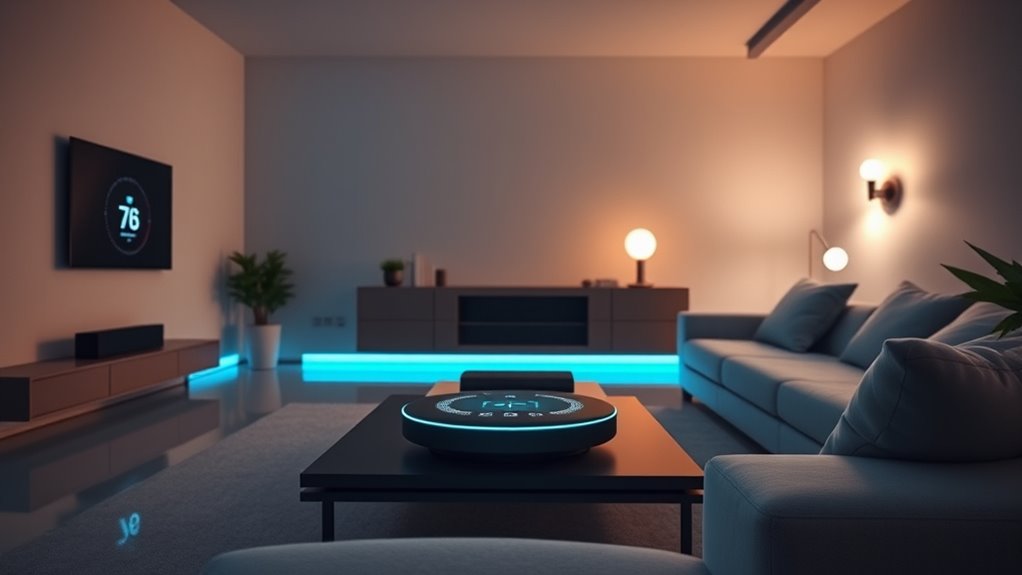

For anyone starting a smart home, choosing the right starter kit can feel overwhelming due to the many options available. The Philips Hue Smart Light Starter Kit stands out as the best overall choice, offering reliable performance and seamless integration. The Smart Home Starter Kit with Echo Hub provides a versatile setup for those wanting voice control and a broader smart ecosystem. One key tradeoff is between comprehensive features and simplicity, with some kits offering more bulbs and smart devices but at a higher cost. Keep reading for a detailed breakdown to find the best fit for your needs.

Get movie-night favorites delivered free — and shop member deals
- Fast, free delivery on millions of items
- Access to Prime Big Deal Days deals on October 6–7
- Prime Video, Amazon Music and more included
Key Takeaways
- Top picks balance ease of setup with feature variety, not just number of devices included.
- Compatibility with popular ecosystems like Alexa or Google Assistant is critical for smooth operation.
- Higher-priced kits tend to offer better build quality and more reliable integrations, but budget options can be sufficient for basic needs.
- Adding a dedicated hub or bridge enhances stability and expands device compatibility, especially with Zigbee/Z-Wave products.
- Most kits focus on lighting, but including smart plugs or sensors broadens automation potential.
| Philips Hue Smart Light Starter Kit – Includes Bridge and 4 Color Ambiance LED Bulbs |  | Best Overall for Versatile Customization | Light Type: LED | Additional Features: Dimmable | Wattage: 75 watts | VIEW ON AMAZON | See Our Full Breakdown |
| Philips Hue White and Color Ambiance Base Lumen (60W) Smart Button Starter Kit |  | Best for Color Customization on a Budget | Bulb Type: A19 color-changing LED | Wattage Equivalent: 60W | Number of Bulbs: 2 | VIEW ON AMAZON | See Our Full Breakdown |
| Philips Hue Smart Light Bulbs Starter Kit, Includes 1 Bridge and 2 Color Ambiance A19 LED Bulbs |  | Best for Easy Multi-Platform Control | Bulb Type: A19 LED | Wattage: 75W equivalent | Lumens: 1100LM | VIEW ON AMAZON | See Our Full Breakdown |
| Philips Hue White Smart Light Starter Kit – Includes 1 Bridge and 2 Soft White LED Bulbs |  | Best for Soft White Ambiance | Includes: 1 Hue Bridge, 2 Hue Soft White LED Bulbs | Bulb Wattage: 75W | Bulb Type: A19, E26 LED | VIEW ON AMAZON | See Our Full Breakdown |
| Philips Hue Essential Starter Kit, Bridge + 4 E26 Smart Bulbs |  | Best for Colorful, Budget-Friendly Setup | Includes: Hue Bridge, 4 E26 smart bulbs | Color Options: Millions of colors | Control: App, voice commands | VIEW ON AMAZON | See Our Full Breakdown |
| Smart Home Starter Kit with Echo Hub, Smart Plugs, and Amazon Basics Smart Bulbs |  | Best All-in-One Convenience for Alexa Users | Includes: Echo Hub, 4 Smart Bulbs, Smart Plug | Compatibility: Alexa-compatible devices | Features: Easy setup, routines, remote control | VIEW ON AMAZON | See Our Full Breakdown |
| smart home starter kit | Connectivity | Includes | Bulb Type | Control |
|---|---|---|---|---|
| Philips Hue Smart Light Starte | — | — | — | — |
| Philips Hue White and Color Am | Bridge required | — | A19 color-changing LED | — |
| Philips Hue Smart Light Bulbs | Wi-Fi, Bluetooth, Zigbee, Matter | 2 bulbs, 1 Bridge | A19 LED | — |
| Philips Hue White Smart Light | Wi-Fi, Matter | 1 Hue Bridge, 2 Hue Soft White LED Bulbs | A19, E26 LED | App, Voice |
| Philips Hue Essential Starter | — | Hue Bridge, 4 E26 smart bulbs | — | App, voice commands |
| Smart Home Starter Kit with Ec | Wi-Fi required | Echo Hub, 4 Smart Bulbs, Smart Plug | — | Voice and app control |
More Details on Our Top Picks
Philips Hue Smart Light Starter Kit – Includes Bridge and 4 Color Ambiance LED Bulbs
This kit stands out for offering a robust, scalable setup with a dedicated Hue Bridge supporting multiple bulbs and complex automations. Compared with the Philips Hue White Smart Light Starter Kit, it provides more color options and easier multi-room control, making it ideal for those seeking a comprehensive smart lighting system. However, the initial cost is higher, and some users report connectivity hiccups, especially with larger setups. The inclusion of a hub means more reliable, consistent performance across your home, but it adds complexity and expense. If you want a flexible, feature-rich starter, this kit delivers a more complete experience than simpler, bridge-less options.
Pros:- Supports a wide spectrum of colors and whites for mood customization
- Includes a dedicated hub for reliable, multi-room control
- Easy to integrate with major smart home platforms and automations
- Supports outdoor use with compatible fixtures
Cons:- Higher initial investment compared to basic smart bulbs
- Requires a Hue Bridge, adding setup complexity
- Some connectivity issues reported in larger setups
Best for: Homeowners wanting a scalable, feature-rich smart lighting setup with extensive scene options.
Not ideal for: Casual users seeking a simple, budget-friendly smart bulb without the need for a hub or advanced features.
- Light Type:LED
- Additional Features:Dimmable
- Wattage:75 watts
- Bulb Shape Size:A19
- Bulb Base:E26
- Incandescent Equivalent Wattage:10.5 watts
- Specific Uses:Home and Office
- Light Color:White and Color
Our verdict“This kit makes the most sense for those who want a versatile, expandable smart lighting system and are willing to invest upfront.”
Philips Hue White and Color Ambiance Base Lumen (60W) Smart Button Starter Kit
This kit excels at offering a customizable lighting experience with millions of colors, making it ideal for those who want vibrant ambiance with minimal fuss. Unlike the Philips Hue White Smart Light Starter Kit, it provides color-changing bulbs but requires a bridge for full features, which might be a barrier for some. Setup can be tricky for first-timers, particularly because it relies on a bridge and app configuration. While it supports voice commands and automation, the older version’s lack of some newer features could be limiting. This makes it a good choice for color enthusiasts willing to handle a slightly more complex setup, but less suited for casual users or those seeking simplicity.
Pros:- Provides millions of colors for personalized ambiance
- Supports automation and remote control via app
- Works with Alexa, Google Assistant, and Apple HomeKit
Cons:- Requires a bridge for full functionality, adding setup steps
- Setup may be complex for novices
- Older software version may lack some features
Best for: Color-loving homeowners who want customizable lighting without the need for extensive smart home integration.
Not ideal for: People seeking a straightforward, color-free white lighting solution with minimal setup.
- Bulb Type:A19 color-changing LED
- Wattage Equivalent:60W
- Number of Bulbs:2
- Compatibility:Alexa, Google Assistant, Apple HomeKit
- Connectivity:Bridge required
- Color Range:Millions of colors
Our verdict“This kit is ideal for those who prioritize vibrant, customizable lighting and are comfortable with a more involved setup process.”
Philips Hue Smart Light Bulbs Starter Kit, Includes 1 Bridge and 2 Color Ambiance A19 LED Bulbs
This starter kit offers a balanced approach with a dedicated bridge and two color-changing bulbs, making it straightforward to set up and control. Compared to the Philips Hue White Smart Light Starter Kit, it supports a broader color palette and automation, but the inclusion of a bridge means higher initial costs and more components to manage. Its compatibility with Wi-Fi, Bluetooth, Zigbee, and Matter ensures versatile control options, appealing to users who value flexibility. However, some users report occasional connectivity issues, particularly with the bridge. This kit suits those who want rich colors and reliable control without expanding to larger setups right away.
Pros:- Supports a wide range of colors and whites
- Includes a bridge for stable, multi-room control
- Compatible with major voice assistants
- Supports automation and scene customization
Cons:- Requires a Hue Bridge, adding to cost
- Connectivity issues can occur
- Limited to compatible ecosystems
Best for: Users looking for a reliable, multi-platform smart lighting starter with color options and ease of use.
Not ideal for: Those seeking a simple, white-only setup or minimal hardware complexity.
- Bulb Type:A19 LED
- Wattage:75W equivalent
- Lumens:1100LM
- Connectivity:Wi-Fi, Bluetooth, Zigbee, Matter
- Includes:2 bulbs, 1 Bridge
Our verdict“This kit makes the most sense for users who want a colorful, reliable setup that works seamlessly across multiple smart platforms.”
Philips Hue White Smart Light Starter Kit – Includes 1 Bridge and 2 Soft White LED Bulbs
This kit is tailored for those who prefer simple, soft white lighting with dependable automation. The included bridge ensures stable control and easy integration, but unlike color-capable kits, it offers only soft white light, which may limit ambiance options. It’s an ideal choice for bedrooms or living rooms where color is unnecessary. Setup is straightforward, and the dimming feature adds to its versatility, but the lack of color options might disappoint users seeking more decorative flexibility. Compared to the Philips Hue White and Color Ambiance Base Lumen, it’s more limited in scope but more affordable for basic white lighting needs.
Pros:- Dimmable soft white light for calming atmospheres
- Includes a bridge for consistent connectivity
- Easy to control via app or voice assistants
- Supports automation and preset scenes
Cons:- Limited to soft white light, no color options
- Requires a bridge, increasing setup complexity and cost
- Higher initial cost compared to basic smart bulbs
Best for: Homeowners wanting easy, reliable white lighting for relaxation or workspaces without the fuss of color customization.
Not ideal for: People who want vibrant or dynamic lighting effects or color-changing capabilities.
- Includes:1 Hue Bridge, 2 Hue Soft White LED Bulbs
- Bulb Wattage:75W
- Bulb Type:A19, E26 LED
- Color Temperature:Soft White
- Control:App, Voice
- Connectivity:Wi-Fi, Matter
Our verdict“This kit is perfect for those who value simplicity and white light control over colorful effects.”
Philips Hue Essential Starter Kit, Bridge + 4 E26 Smart Bulbs
This kit offers a straightforward way to add vibrant, customizable lighting to your home with four bulbs and a hub, making it ideal for creating lively atmospheres. Compared to smaller kits like the Philips Hue White and Color Ambiance Base Lumen, it provides more bulbs for broader coverage without sacrificing color options. The inclusion of a bridge ensures stable operation but adds to the cost and setup complexity. While it supports a wide array of colors and scene presets, the price point may still be a concern for budget-conscious buyers. Overall, this kit balances affordability and customization for those ready to enhance multiple rooms with color.
Pros:- Supports millions of colors for dynamic ambiance
- Includes a bridge for reliable multi-room control
- Supports voice commands and automation
- Easy to set up with the Hue app
Cons:- Price may be higher than single-bulb kits
- Requires a smartphone and app for full features
- No specific mention of outdoor compatibility
Best for: Families or roommates wanting to outfit multiple rooms with colorful, easy-to-control lighting on a moderate budget.
Not ideal for: Users seeking a minimal or color-free lighting setup or those uncomfortable with managing multiple bulbs without a more integrated system.
- Includes:Hue Bridge, 4 E26 smart bulbs
- Color Options:Millions of colors
- Control:App, voice commands
- Brightness Adjustment:2% to 100%
Our verdict“This kit makes sense for those who want to equip several rooms with colorful lighting without going for a high-end, complex system.”
Smart Home Starter Kit with Echo Hub, Smart Plugs, and Amazon Basics Smart Bulbs
This starter kit stands out for its streamlined setup and seamless integration with Alexa, making it ideal for those who want a straightforward smart home experience without the complexity of separate hub and bulb systems. Unlike the Philips Hue kits that rely on dedicated bridges, this kit combines an Echo Hub with smart bulbs and a plug, enabling quick setup and versatile automation. While it offers excellent compatibility within the Alexa ecosystem, it limits users to Alexa-compatible devices, and the hub setup can be confusing for absolute beginners. Its included smart bulbs and plug provide immediate functionality, but the reliance on Wi-Fi means a stable connection is essential for consistent operation. This kit is best suited for casual users wanting a simple, integrated smart home starter without investing in separate brands or extensive equipment.
Pros:- Simple to set up with guided instructions, reducing setup time
- Works seamlessly with a wide range of Alexa devices and routines
- Includes smart bulbs and a plug for immediate automation possibilities
- Supports security features like home-away lighting
Cons:- Limited to Alexa-compatible devices, restricting ecosystem flexibility
- Requires a stable Wi-Fi connection for optimal operation
- Hub setup process can be complex for some users
Best for: Homeowners who want an easy-to-install, voice-controlled smart system compatible with Alexa, with minimal fuss
Not ideal for: Tech enthusiasts seeking extensive customization or those who prefer non-Alexa ecosystems like Google or Apple HomeKit
- Includes:Echo Hub, 4 Smart Bulbs, Smart Plug
- Compatibility:Alexa-compatible devices
- Features:Easy setup, routines, remote control
- Connectivity:Wi-Fi required
- Control:Voice and app control
- Automation:Supports routines and scheduling
- Security:Home-away lighting
- Expandability:Limited to compatible Alexa devices
Our verdict“This kit makes the most sense for Alexa users seeking an integrated, easy-to-use smart home starter that covers basic automation needs.”
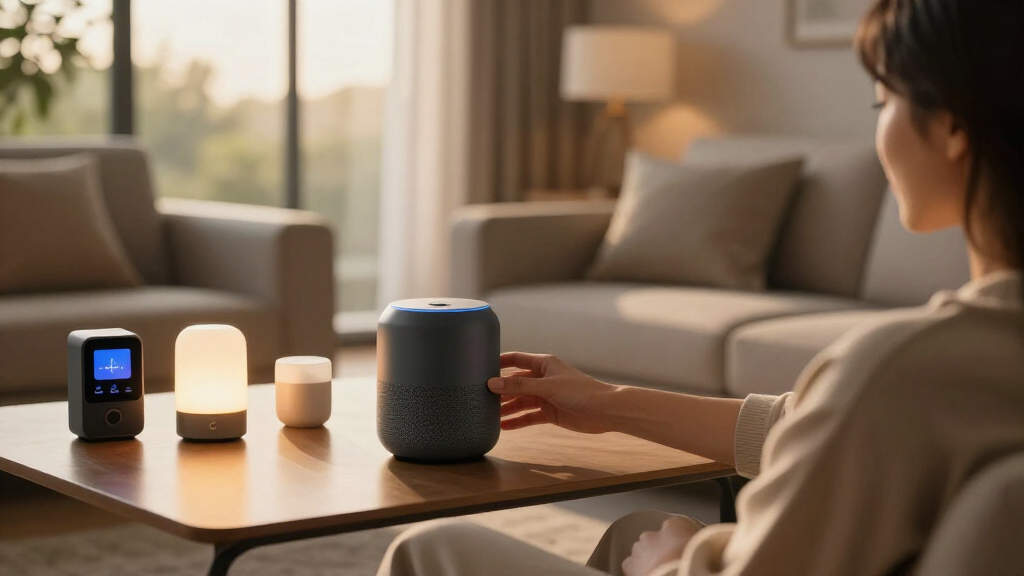
How We Picked
I selected these smart home starter kits based on a combination of performance, usability, build quality, and value. Each kit was evaluated for how easily a new user could set it up without technical expertise, as well as how well it integrated with major voice assistants and ecosystems. The versatility of included devices and the expandability of each kit also played a role. I ranked products by considering their overall reliability, user feedback, and how they balanced cost against features, ensuring that each pick serves a different type of buyer.| smart home starter kit | Bulb Type | Connectivity | Control |
|---|---|---|---|
| Philips Hue Smart Light Starte | — | — | — |
| Philips Hue White and Color Am | A19 color-changing LED | Bridge required | — |
| Philips Hue Smart Light Bulbs | A19 LED | Wi-Fi, Bluetooth, Zigbee, Matter | — |
| Philips Hue White Smart Light | A19, E26 LED | Wi-Fi, Matter | App, Voice |
| Philips Hue Essential Starter | — | — | App, voice commands |
| Smart Home Starter Kit with Ec | — | Wi-Fi required | Voice and app control |
Factors to Consider When Choosing Smart Home Starter Kits
Choosing the right smart home starter kit requires understanding several key factors that impact usability, expandability, and value. While some kits emphasize simplicity, others offer more comprehensive automation options. Considering these factors helps avoid common pitfalls like incompatible devices or overly complex setups, especially for beginners. Making an informed choice involves weighing your current needs against future expandability and ecosystem compatibility.Compatibility and Ecosystem Integration
Ensuring your starter kit works seamlessly with your preferred voice assistant or smart home platform is vital. Kits that support popular ecosystems like Amazon Alexa, Google Assistant, or Apple HomeKit provide more flexibility and easier control. Compatibility issues can lead to frustration, so check device support before purchasing. Some kits focus solely on lighting, while others support broader automation, so match your needs with the ecosystem features.
Ease of Setup and User-Friendliness
For newcomers, a kit with straightforward installation and minimal technical hurdles is essential. Look for products with clear instructions, reliable app interfaces, and minimal wiring or hub requirements. Kits that include a hub or bridge often simplify setup and improve device stability but may add initial complexity. Avoid overly complex systems if you prioritize quick, hassle-free deployment.
Expandability and Future-Proofing
Consider whether the starter kit allows for easy expansion to include additional devices like sensors, switches, or security cameras. Kits based on standard protocols like Zigbee or Z-Wave tend to be more adaptable. A larger ecosystem ensures that your smart home can grow with minimal disruption. Avoid kits that lock you into proprietary systems or limit device compatibility.
Device Quality and Reliability
Cheaper kits often include lower-quality devices that may fail prematurely or have connectivity issues. Investing in reputable brands with positive user feedback tends to yield more stable operation and longer device lifespan. Balance cost against build quality, especially for core devices like bulbs and hubs, to ensure your smart home remains functional over time.
Cost and Value for Money
While budget kits are appealing, they may offer fewer features or less reliable performance. Higher-priced options often include more devices, better build quality, and enhanced compatibility, which can justify the expense if you plan to expand your system. Be cautious of kits with too many low-quality components that may require replacement sooner than expected.
Frequently Asked Questions
Can I mix different brands of smart bulbs and devices in the same kit?
Yes, many smart home systems support multiple brands and protocols, especially if they operate over common standards like Zigbee, Z-Wave, or Wi-Fi. However, integration quality and ease of control can vary. It’s advisable to stick with well-supported brands within the same ecosystem to avoid connectivity issues. Mixing brands can be cost-effective but may require additional setup time and troubleshooting.
Do I need a hub or bridge to start my smart home system?
It depends on the devices you choose. Many smart bulbs and plugs now operate over Wi-Fi and don’t require a hub, simplifying setup for beginners. However, using a hub or bridge—such as Philips Hue’s Bridge—can improve device stability, expand compatibility, and enable advanced automation features. For larger or more complex setups, investing in a hub often pays off in reliability and future expandability.
Are smart home starter kits worth the investment for a beginner?
Absolutely, especially if you’re looking to automate lighting and basic devices without significant upfront complexity. Starter kits provide a ready-made bundle that simplifies setup and ensures compatibility. They often include everything needed to get started, making them a cost-effective way to dip into smart home automation. As your needs grow, you can add more devices or upgrade to more advanced systems.
What should I prioritize — number of devices or quality?
While a larger number of devices can seem attractive, quality and reliability often matter more for a smooth smart home experience. Low-quality devices may fail early or cause connectivity issues, leading to frustration. Prioritize reputable brands and a manageable number of devices that work well together. You can always expand later, but starting with dependable components sets a solid foundation.
How do I know if a kit supports future automation needs?
Look for kits based on open standards like Zigbee or Z-Wave, which offer broader compatibility and expandability. Check if the system supports integration with popular automation platforms and voice assistants. Consider whether the included devices are versatile enough to be used in various automation scenarios. Planning for future needs now can save time and money down the road.
Conclusion
For most newcomers, the Philips Hue Smart Light Starter Kit offers a reliable, easy-to-use experience and excellent ecosystem support, making it the best overall choice. Budget-conscious buyers should consider the Smart Home Starter Kit with Echo Hub for broader automation at a lower cost. Those seeking premium quality and expandability might lean toward higher-end options with more bulbs and robust hubs. If simplicity is key, a Wi-Fi-only starter kit minimizes setup hurdles, while advanced users aiming for a comprehensive system should prioritize kits that support multiple protocols and future growth.
Fall Picks
fall essentials
As an affiliate, we earn on qualifying purchases.