

Community is becoming a core wellness metric because strong social connections directly boost your mental health, resilience, and overall well-being. When you feel connected, supported, and part of something larger, it reduces stress and helps you adopt healthier habits. Community spaces and relationships foster a sense of safety, purpose, and trust. These factors don’t just improve your individual health—they create a healthier society. If you want to know more about how community impacts your wellness, keep exploring.

Get movie nights delivered free with Prime
- Fast, free delivery on millions of items
- Prime Video, Amazon Music and more included
- Member-only deals all year
Key Takeaways
- Strong community ties enhance mental health by fostering emotional safety and reducing feelings of isolation.
- Social connectedness encourages healthier behaviors and supports resilience during life challenges.
- Community spaces and events promote belonging, trust, and collective responsibility for well-being.
- Well-developed social networks provide emotional and practical support, improving overall health outcomes.
- Societal health benefits increase as community strength contributes to more supportive, inclusive environments.
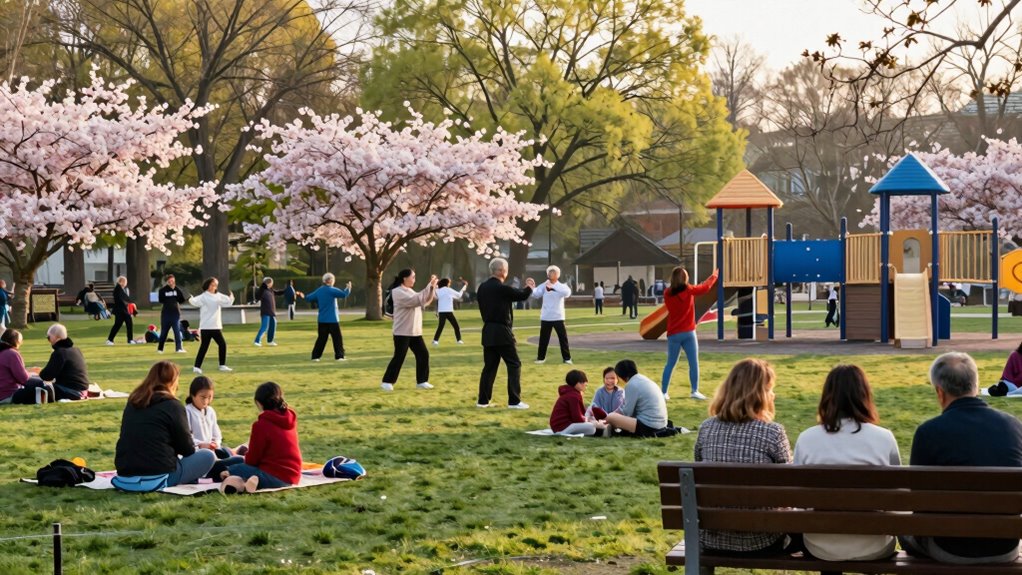
Have you ever considered how the strength of your community impacts your overall well-being? It’s not just about individual health choices or personal resilience; it’s about the web of relationships and connections that surround you every day. Social connectedness plays an essential role in shaping your mental and emotional health. When you feel part of a community, you’re more likely to experience a sense of belonging and purpose, which can markedly reduce stress and anxiety. Support networks, whether they’re friends, family, or neighbors, provide a safety net during tough times. Knowing you have people to turn to creates a foundation of trust and reassurance that bolsters your resilience. These connections aren’t just feel-good extras—they’re fundamental components of your overall wellness.
Strong community ties foster belonging, reduce stress, and support resilience—fundamental to overall wellness and emotional health.
In recent years, the idea of community as a wellness metric has gained traction because research shows that strong community ties lead to longer, healthier lives. When your social network is active and supportive, you’re more likely to engage in healthy behaviors, such as regular exercise, balanced eating, and routine health checkups. Support networks also help you navigate life’s challenges, providing emotional comfort and practical advice. This collective strength reduces feelings of isolation, which can be as harmful as physical ailments. When you know others are invested in your well-being, it’s easier to stay motivated and positive, even when facing setbacks. Community isn’t just about quantity; it’s about quality—meaningful, dependable relationships that foster trust and understanding. Additionally, fostering a sense of emotional safety within communities can significantly enhance mental health and resilience. Research indicates that social connectedness not only improves mental health but also encourages healthier lifestyle choices, creating a positive feedback loop. Strengthening community bonds can also lead to better access to resources and support services, further promoting health and well-being. Moreover, community engagement has been shown to boost individual sense of purpose and satisfaction, further reinforcing the importance of strong social ties.
Furthermore, communities that prioritize social connectedness create environments where mental health is actively supported. Public spaces, community centers, and local events serve as hubs where you can forge new connections and strengthen existing ones. These interactions aren’t superficial—they contribute to your sense of safety and belonging. Feeling connected to your community also encourages a sense of collective responsibility, motivating everyone to look out for each other’s well-being. This shared commitment cultivates environments that promote mental health, resilience, and overall happiness. Additionally, understanding the importance of quality relationships can help guide efforts to build stronger, more supportive communities. Recognizing the role of filtration efficiency in homes can also support better health, as it reduces allergens and pollutants that impact mental and physical wellness.
As community becomes a core wellness metric, its influence extends beyond individual benefits, shaping healthier, more supportive societies. In essence, your community’s strength directly impacts your well-being. By nurturing social connectedness and support networks, you’re not just improving your mental health—you’re contributing to a cycle of mutual care that elevates everyone. Recognizing community as an indispensable wellness metric helps you see that health isn’t only personal but also social. When your community thrives, so do you. This interconnected approach ensures that wellness is sustainable, inclusive, and rooted in genuine relationships that matter.
community wellness activity kits
As an affiliate, we earn on qualifying purchases.
As an affiliate, we earn on qualifying purchases.
Frequently Asked Questions
How Is Community Engagement Measured as a Wellness Indicator?
You measure community engagement as a wellness indicator by evaluating social cohesion and collective resilience. You look at participation in community activities, trust among members, and support networks, which reflect social cohesion. Additionally, you evaluate how well the community adapts and recovers from challenges, indicating collective resilience. High levels in these areas suggest strong community engagement, directly linking to better overall wellness and mental health for individuals within the community.
What Are the Challenges in Quantifying Community-Based Well-Being?
Measuring community-based well-being is like trying to catch smoke; it’s elusive and constantly changing. You face challenges in quantifying social cohesion and neighborhood safety because these factors are subjective and influenced by diverse perceptions. Data collection can be complex, and cultural differences may skew results. Additionally, external factors like economic shifts or policy changes can quickly alter community dynamics, making it tough to get an accurate, consistent picture of overall well-being.
How Does Technology Influence Community-Driven Wellness Metrics?
Technology boosts your community-driven wellness metrics by enhancing digital connectedness, making it easier to share resources and support. It also strengthens social capital, fostering trust and collaboration among community members. Through social platforms and data analytics, you can better understand community needs, encourage engagement, and track collective well-being. This interconnectedness empowers you to build healthier, more resilient communities that prioritize shared wellness goals.
Can Community Metrics Predict Individual Health Outcomes?
Community metrics like social cohesion and peer support can often predict individual health outcomes. When you’re part of a strong, connected community, you’re more likely to receive emotional support, share resources, and stay motivated to maintain healthy habits. These community factors foster resilience and reduce stress, which positively impacts your well-being. So, tracking these metrics helps identify how community strength directly influences your health and overall wellness.
What Role Do Cultural Differences Play in Community Wellness Assessments?
Cultural nuances crucially influence community wellness assessments, as they shape how health and well-being are perceived and prioritized. You need to take into account the importance of tradition, which may affect community engagement and support systems. Recognizing these differences helps you tailor wellness initiatives that resonate with diverse cultural values, ensuring more accurate assessments and effective interventions. Embracing cultural diversity in wellness metrics leads to more inclusive, meaningful community health strategies.
As an affiliate, we earn on qualifying purchases.
Conclusion
As you reflect on this, consider how strong communities naturally boost well-being. Some experts suggest that when you feel connected, your stress drops and happiness rises—almost like a secret wellness hack. While science backs this up, it’s also about personal experience; you know how a supportive group can turn a tough day around. So, maybe community isn’t just a social thing—it’s a essential ingredient in your overall wellness recipe.
As an affiliate, we earn on qualifying purchases.
As an affiliate, we earn on qualifying purchases.
Halloween Picks
halloween
As an affiliate, we earn on qualifying purchases.