The horror revival is driven by a shift toward psychological and supernatural storytelling that deeply engages viewers. Modern horror explores inner fears, traumas, and complex emotions, creating a lasting sense of unease. Innovative techniques, multimedia formats, and streaming platforms make these stories more accessible and immersive. This evolution keeps horror fresh, relevant, and emotionally resonant, inviting you into a darker, more thoughtful side of fear. Keep going to discover what truly fuels this compelling resurgence.
Key Takeaways
- A shift toward psychological and supernatural storytelling creates more immersive and emotionally resonant horror experiences.
- Increased use of innovative multimedia techniques and streaming platforms broadens audience reach and engagement.
- Modern horror explores deeper character vulnerabilities and societal issues, adding narrative complexity.
- filmmakers incorporate symbolic supernatural elements, elevating horror from superficial scares to meaningful metaphors.
- Media practices like eco-conscious effects and diverse formats keep horror fresh, relevant, and culturally resonant.
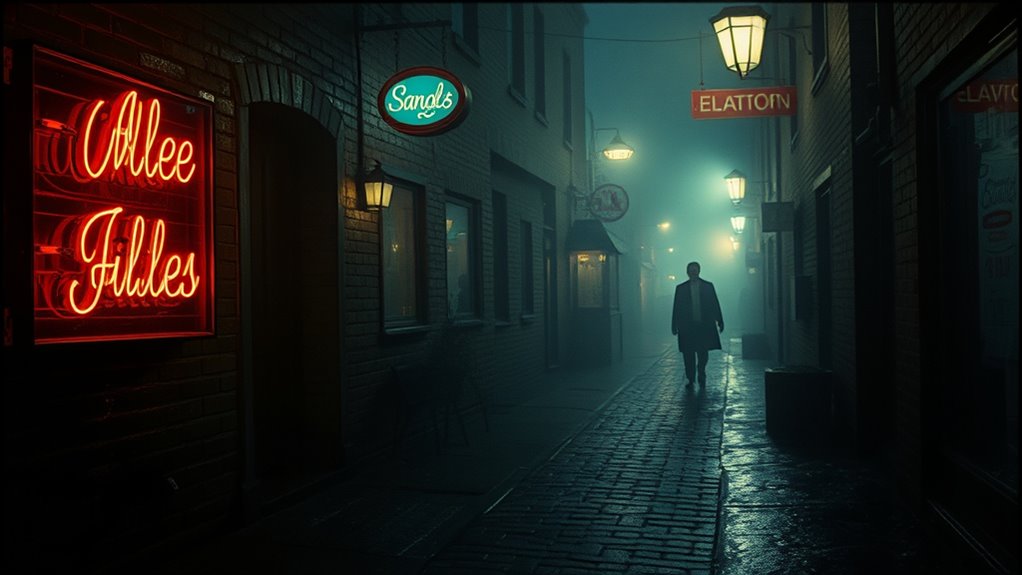
Once dismissed as a fading genre, horror is experiencing a striking revival that’s capturing new audiences and energizing longtime fans. This resurgence isn’t just about jump scares or gore; it’s driven by a renewed focus on psychological thrills and supernatural elements that deepen the genre’s complexity. You’re likely noticing that modern horror isn’t solely about shocking visuals but about creating a sense of unease that lingers long after the screen goes dark. This shift taps into your subconscious fears, making the stories more immersive and emotionally resonant. Additionally, innovative storytelling techniques and multimedia formats are expanding how horror engages its audience. What’s fueling this revival? For starters, creators are exploring psychological thrills that challenge your perception of reality. Instead of relying on straightforward monsters or ghosts, they *explore* into characters’ minds, exposing vulnerabilities, traumas, and hidden fears. You find yourself questioning what’s real and what’s hallucination, which amplifies the tension and keeps you hooked. Films and series like “The Haunting of Hill House” or “Hereditary” exemplify this approach, blending emotional depth with unsettling atmospheres that stay with you long after viewing. This focus on psychological complexity draws you into a more intimate experience, where your own fears become intertwined with the story. At the same time, supernatural elements are more sophisticated and integrated into these narratives. Instead of superficial jump scares, supernatural themes are woven into intricate plots that explore the unknown. Ghosts, demons, or mystical forces serve as metaphors for internal struggles or societal issues, making the horror more meaningful. You’re often encouraged to interpret these supernatural phenomena symbolically, which heightens your engagement and curiosity. This evolution in storytelling creates a richer, more layered experience that appeals to both genre purists and newcomers. The influence of sustainable approaches in media production, such as eco-conscious set design and digital effects, also contributes to more immersive and visually compelling horror narratives. The media landscape also plays a role. Streaming platforms have made it easier to access diverse horror stories that push boundaries. You can binge-watch psychological thrillers and supernatural tales that challenge conventions, broadening your understanding of what horror can be. The genre’s revival is also evident in literature, video games, and even podcasts, where creators experiment with formats that emphasize mood, atmosphere, and character psychology. These innovations keep horror fresh and relevant, constantly surprising you with new ways to confront your fears. Ultimately, this resurgence is about reconnecting with the core of what makes horror compelling: the exploration of human nature and the mysteries beyond our understanding. Whether through psychological thrills or supernatural elements, you’re invited to confront your deepest anxieties in a way that’s both thrilling and thought-provoking. Horror’s revival reminds you that fear, when crafted with skill and depth, remains one of the most powerful tools for storytelling.
Frequently Asked Questions
How Has Streaming Influenced Horror’s Recent Popularity?
Streaming has boosted horror’s popularity by making it more accessible and allowing you to discover diverse titles instantly. It taps into cultural nostalgia, bringing back classic themes and styles that resonate with you. Technological innovation, like high-quality visuals and sound, enhances the scare factor. You can binge-watch horror series or find hidden gems, fueling your obsession and keeping the genre fresh and engaging in today’s entertainment landscape.
Which Horror Subgenre Is Experiencing the Fastest Growth?
You’ll find supernatural elements fueling the rapid growth of psychological thrillers, making them the fastest-growing horror subgenre. Like a storm gathering strength, these films blend mind games with eerie, otherworldly themes, enthralling audiences craving suspense and mystery. With streaming platforms showcasing an influx of these stories, you’re drawn into darker depths where psychological tension and supernatural twists create an immersive horror experience that’s impossible to resist.
Are New Horror Creators Gaining Mainstream Recognition?
Yes, new horror creators are gaining mainstream recognition. You’ll notice independent filmmakers and emerging talents making waves by blending genres, creating fresh, innovative horror stories that stand out. Their unique approach captures audiences’ attention and pushes boundaries, helping them break through traditional barriers. As a result, more of these creators are featured in major festivals, streaming platforms, and even Hollywood productions, signaling a vibrant, evolving horror landscape driven by innovative voices.
How Does Horror’s Resurgence Impact Other Film Genres?
You see horror’s resurgence as a rising tide lifting all boats, transforming film festivals and broadening audience demographics across genres. This revival sparks innovation in thrillers, thrillers, and even dramas, inspiring creators to experiment with darker themes and storytelling techniques. As more viewers embrace horror’s intensity, other genres adapt by incorporating suspense and atmospheric elements, making the entire cinematic landscape more dynamic and engaging for diverse audiences.
What Role Do Social Media Trends Play in Horror’s Revival?
Social media trends play a big role in horror’s revival by fueling viral challenges and meme culture. When you see a scary scene or challenge go viral, it sparks curiosity and engagement, encouraging more people to create their own content. This buzz keeps horror fresh and relevant, attracting new audiences and reigniting interest in the genre, making it a constant cycle driven by online trends.
Conclusion
So, as horror’s resurgence continues to captivate audiences, it’s clear that fear still has a powerful hold on our imagination. With fresh stories, innovative techniques, and a hunger for the unsettling, you might wonder—what’s next for this chilling genre? Will horror keep evolving or find new ways to surprise you? One thing’s certain: as long as you crave the thrill of the unknown, horror will always have a place in your heart.