
TL;DR
An aftermarket phone app that detects driver drowsiness is being tested for long-commute drivers of older cars lacking built-in safety tech. This innovation could reduce fatigue-related crashes by providing early warnings.
Developers are testing a phone-mounted app that detects driver drowsiness in older cars lacking built-in safety features. The system uses on-device face-landmark models to monitor eye closure and head nodding, sounding alerts when signs of fatigue are detected. This innovation addresses a critical safety gap for drivers of non-tech vehicles, potentially reducing fatigue-related highway crashes.

Get movie nights delivered free with Prime
- Fast, free delivery on millions of items
- Prime Video, Amazon Music and more included
- Member-only deals all year
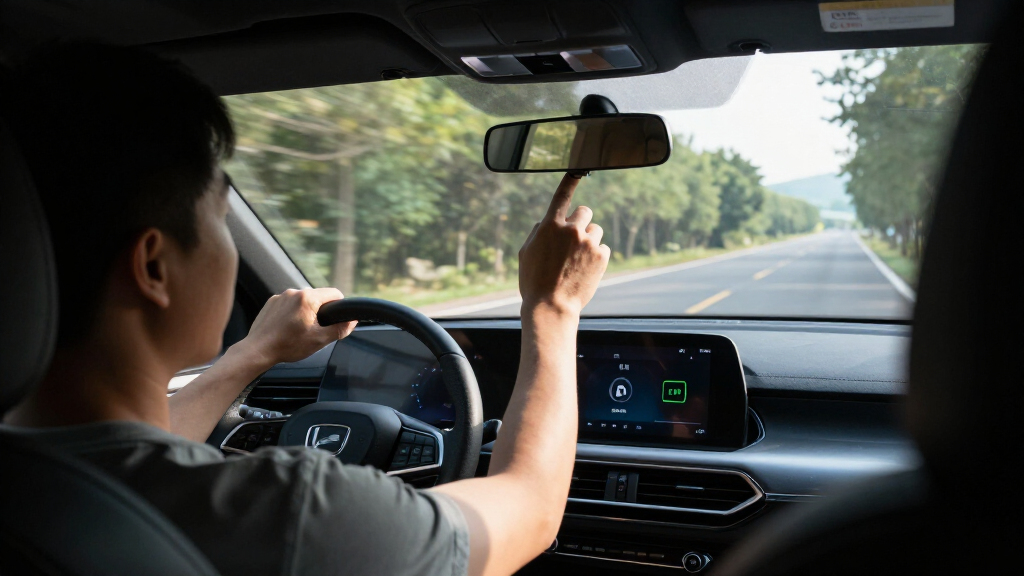
The system involves a smartphone mounted on the dashboard that continuously observes the driver’s face using a camera. It analyzes eye-closure and head movement patterns to identify signs of drowsiness. When the app detects potential fatigue, it triggers escalating alerts and prompts the driver to take a break. The initiative is currently in a pilot phase, with twenty long-commute drivers testing the app over two weeks of highway trips.
According to sources involved in the project, the app aims to provide a low-cost, aftermarket solution for older vehicle owners who lack integrated driver-assistance systems. The business model includes a subscription service offering safety summaries for families or fleet managers. Validation efforts focus on whether alerts occur at genuinely drowsy moments and if drivers find value in paying for ongoing use.
Potential Impact on Road Safety for Older Vehicles
This development could significantly improve safety for drivers of older cars, which typically lack built-in fatigue detection systems. By offering a low-cost, easy-to-install alternative, it may reduce the incidence of microsleeps and fatigue-related crashes. The innovation also highlights how accessible technology like smartphones can fill safety gaps in the aftermarket vehicle market, potentially saving lives and lowering insurance costs.
Popular right now

KitchenAid Classic Series 4.5-Quart Tilt-Head Stand Mixer, Onyx Black

Dyson V8 Cordless Vacuum

Vitamix 5200 Blender with 64 oz. Container, Black
As an affiliate, we earn on qualifying purchases.
Addressing the Safety Gap in Non-Tech Vehicles
Many older vehicles do not have integrated driver-assistance or fatigue detection systems, leaving drivers vulnerable during long highway commutes. Currently, the market lacks affordable, aftermarket solutions that can provide real-time alerts for driver drowsiness. The advent of face-landmark models and cheap dashboard mounts makes it feasible to develop such systems using smartphones, which are widely available and familiar to consumers.
Previous efforts to improve driver safety have focused mainly on newer vehicles with built-in sensors. This project aims to extend safety benefits to a broader segment of drivers, especially those with limited access to newer, tech-enabled cars.
“Using face-landmark models on smartphones, we can effectively detect signs of driver fatigue in real-time, even in older vehicles without built-in sensors.”
— an anonymous researcher
Unconfirmed Effectiveness and Adoption Challenges
It remains unclear how accurately the app will detect drowsiness during diverse driving conditions and whether drivers will consistently respond to alerts. The pilot study is ongoing, and data on real-world effectiveness and user acceptance are not yet available.
Next Steps in Validation and Market Deployment
The pilot program will conclude after two weeks, with data analysis to assess alert accuracy and driver feedback. Pending positive results, developers plan to expand testing and explore partnerships for broader distribution. Further research will focus on refining detection algorithms and integrating additional safety features.
Key Questions
How does the app detect driver drowsiness?
The app uses a smartphone camera to monitor facial features, analyzing eye closure and head nodding patterns to identify signs of fatigue.
Is this system suitable for all vehicles?
Yes, it is designed as an aftermarket solution that can be used in any vehicle with a dashboard mount and a compatible smartphone.
Will drivers rely solely on this app for safety?
No, it is intended as an additional safety tool; drivers should remain attentive and not depend solely on alerts.
When will this technology be widely available?
If pilot testing proves successful, a commercial version could be available within the next year, with broader deployment depending on regulatory and market factors.
How much will the subscription cost?
Pricing details are still under development, but the business model includes affordable monthly or family/fleet plans.
Source: IdeaNavigator AI