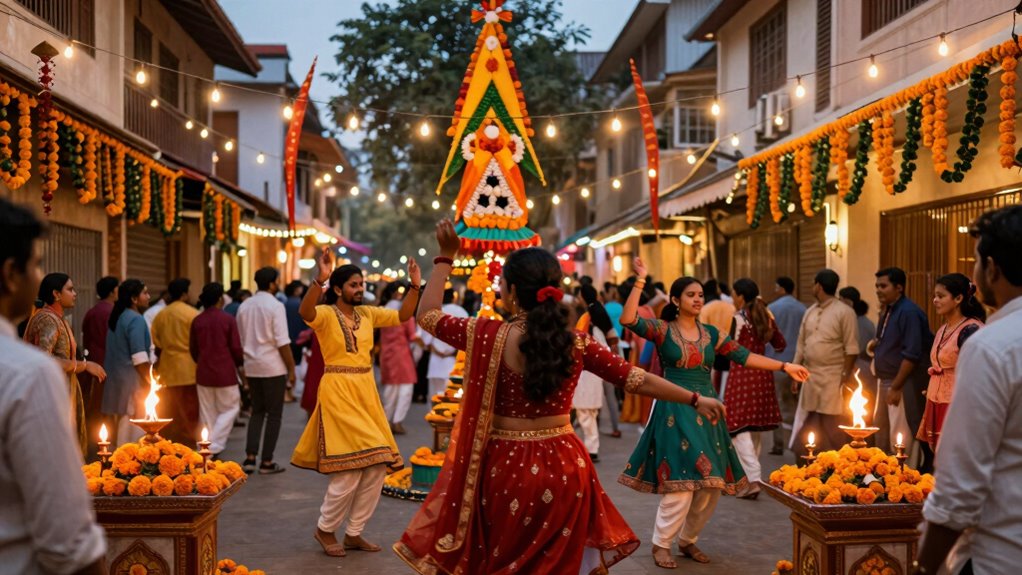

You see, public holidays become national rituals through shared experiences and cultural traditions that deepen their meaning. When communities celebrate important historical moments—like independence or revolutions—these dates transform into symbols of unity and pride. Governments promote rituals such as parades, fireworks, and gatherings, which help embed these days into collective memory. Over time, these actions and stories shape a sense of belonging that lasts across generations. Want to discover more about how these traditions evolve?

Get movie-night favorites delivered free — and shop member deals
- Fast, free delivery on millions of items
- Access to Prime Big Deal Days deals on October 6–7
- Prime Video, Amazon Music and more included
Key Takeaways
- Public holidays originate from pivotal historical events like wars or independence, transforming into symbols of national pride.
- Governments and communities develop rituals such as parades and ceremonies to reinforce shared cultural values.
- Over time, these celebrations become ingrained through traditions passed down across generations.
- Holidays serve as moments for reflection, emphasizing core national values and historical achievements.
- Rituals evolve to remain relevant, fostering collective identity and strengthening national unity.
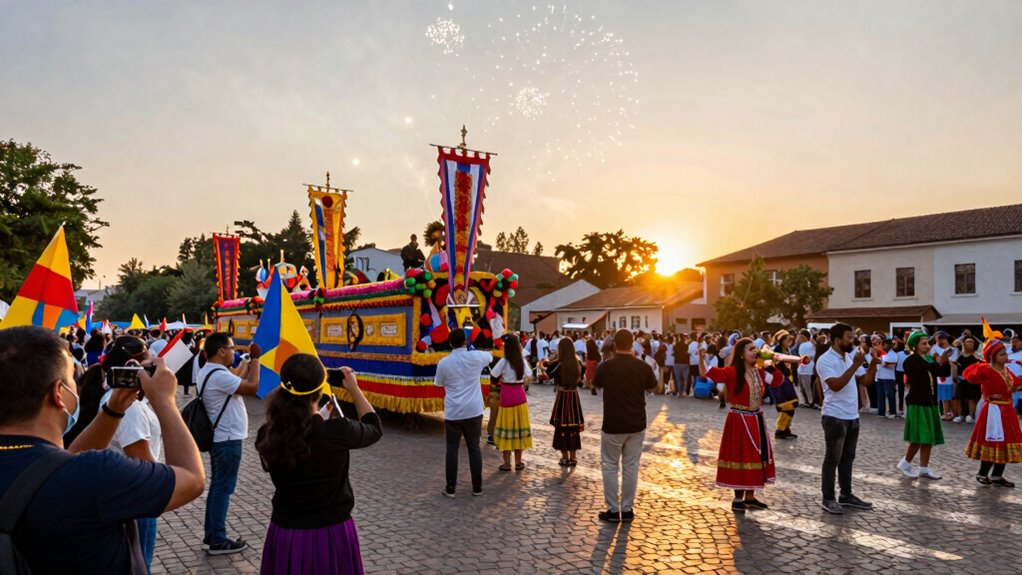
Public holidays have become more than just days off work; they serve as powerful national rituals that reinforce shared identity and cultural values. These special days are woven into the fabric of a nation’s history and collective consciousness, transforming simple observances into symbols of unity. The cultural significance of public holidays lies in their ability to bring people together, fostering a sense of belonging and pride. Whether it’s celebrating independence, honoring historical figures, or commemorating important events, these holidays act as recurring reminders of what a society values and stands for.
Public holidays strengthen unity, celebrate history, and reinforce shared cultural values across generations.
Understanding how public holidays became such central rituals requires looking at their historical origins. Many stem from pivotal moments in a country’s past—wars won, revolutions fought, or milestones achieved. For example, national independence days often mark the date when a nation broke free from colonial rule or oppressive regimes. Over time, these days evolved from political or military events into broader cultural celebrations, often incorporating parades, festivals, and rituals that emphasize patriotism. The transformation from a historical event to a national holiday is deliberate; it elevates the day from a mere date on the calendar to a shared memory that shapes national identity. Additionally, the incorporation of traditional practices rooted in indigenous wisdom can enhance the cultural depth and authenticity of these celebrations. This process often involves deliberate efforts by governments and communities to preserve and adapt these traditions over generations.
The process of turning these days into rituals involves deliberate social practices. Governments and communities promote specific traditions—such as flag-raising ceremonies, fireworks, or community gatherings—that deepen the holiday’s cultural significance. These practices serve as tangible expressions of collective memory and values, reinforcing the importance of history in shaping present-day identity. Over generations, these rituals become ingrained, passed down through families and communities, strengthening the holiday’s role in national life. Furthermore, the social customs associated with public holidays often reflect the unique cultural and historical context of each nation, making them more meaningful and resonant for its people. Recognizing the cultural roots of these traditions highlights how they are intertwined with a nation’s history and identity.
Public holidays also serve as opportunities for reflection and renewal. They remind citizens of their common heritage and foster pride in their cultural achievements. The rituals surrounding these days—whether a solemn remembrance or a jubilant celebration—highlight the core values a nation wishes to uphold. As a result, you might notice how these holidays evolve to include contemporary themes, ensuring they remain relevant and meaningful for new generations. Recognizing the historical roots of these holidays can deepen your appreciation and understanding of their significance. This ongoing process of adaptation helps keep these rituals alive and relevant in changing social contexts.
In essence, public holidays have become enduring national rituals because they are rooted in historical origins and imbued with cultural significance. They are more than just days on the calendar—they are collective acts of remembrance and celebration that help define a nation’s identity. By participating in these rituals, you connect with a shared history and contribute to the ongoing story of your country’s culture and values.
As an affiliate, we earn on qualifying purchases.
Frequently Asked Questions
How Do Public Holidays Influence National Identity?
Public holidays influence your national identity by fostering a sense of belonging through their sociocultural significance. They serve as moments when you connect with shared traditions and values, reinforcing collective memory. Participating in these rituals helps you feel part of something larger, strengthening national pride. Over time, public holidays become symbols of unity, shaping your understanding of history and culture, and solidifying your identity within the broader community.
What Role Do Governments Play in Establishing Rituals?
Governments play a vital role in establishing rituals by shaping public holidays through policies and cultural initiatives. They influence which events are celebrated and how, turning moments into national traditions. This process helps unify the population and strengthen identity. By promoting specific dates and customs, governments set the stage for rituals to become ingrained in society, ensuring that these celebrations aren’t just fleeting, but deeply rooted in the nation’s fabric.
How Do Public Holidays Vary Across Cultures?
You’ll notice that public holidays vary across cultures because they reflect unique cultural traditions and regional celebrations. Each society emphasizes different historical events, religious beliefs, or seasonal festivals, shaping their specific days off. These holidays often preserve local customs and symbols, fostering community identity. By participating in these regional celebrations, you connect with diverse cultural practices, enriching your understanding of how different communities honor their history and values through public holidays.
What Is the Economic Impact of Public Holiday Rituals?
Public holiday rituals boost economic growth by increasing consumer spending, as people buy gifts, dine out, and travel. These events stimulate local businesses and create temporary job opportunities, positively impacting the economy. You might notice heightened sales during holiday seasons, which encourages companies to expand and invest. Overall, public holiday rituals play a crucial role in driving economic activity, benefitting both consumers and the broader economy.
How Have Public Holidays Evolved Over History?
You see public holidays evolving from their historical origins, rooted in religious, political, or agricultural events. Over time, cultural shifts transformed these days into broader celebrations, reflecting societal values and identities. As traditions merged and modern influences emerged, holidays adapted, blending old customs with new practices. This evolution keeps public holidays relevant, shaping them into communal rituals that honor history while embracing contemporary life’s diversity.
As an affiliate, we earn on qualifying purchases.
Conclusion
So, next time you join in a holiday celebration, remember it’s more than just a day off. These events have evolved into powerful national rituals, shaping our collective identity. Imagine a small town where Independence Day fireworks aren’t just a display, but a symbol of unity and history. By participating, you’re part of a tradition that connects generations and reinforces shared values. Holidays become more than dates—they’re the heartbeat of a nation’s story.
As an affiliate, we earn on qualifying purchases.
As an affiliate, we earn on qualifying purchases.
Fall Picks
fall essentials
As an affiliate, we earn on qualifying purchases.