
The weekend as we understand it developed through religious traditions like Saturday Shabbat and Sunday Sabbath, combined with labor movements pushing for regular time off during the Industrial Revolution. Business leaders and unions promoted shorter workweeks to boost morale and productivity, leading to standardized two-day breaks that emphasize leisure and family time. Over time, societal values shifted to prioritize mental well-being and work-life balance. To discover more about how this evolution shaped today’s weekends, keep exploring the story behind this daily rhythm.

Get movie nights delivered free with Prime
- Fast, free delivery on millions of items
- Prime Video, Amazon Music and more included
- Member-only deals all year
Key Takeaways
- Religious traditions like the Christian Sabbath and Jewish Shabbat established early days of rest.
- Industrialization and labor movements in the 19th and 20th centuries promoted regular time off.
- Labor laws and unions helped formalize the two-day weekend for workers.
- Cultural values emphasized leisure, family time, and societal well-being, shaping weekend norms.
- Technological and societal changes continue to influence evolving concepts of the weekend.
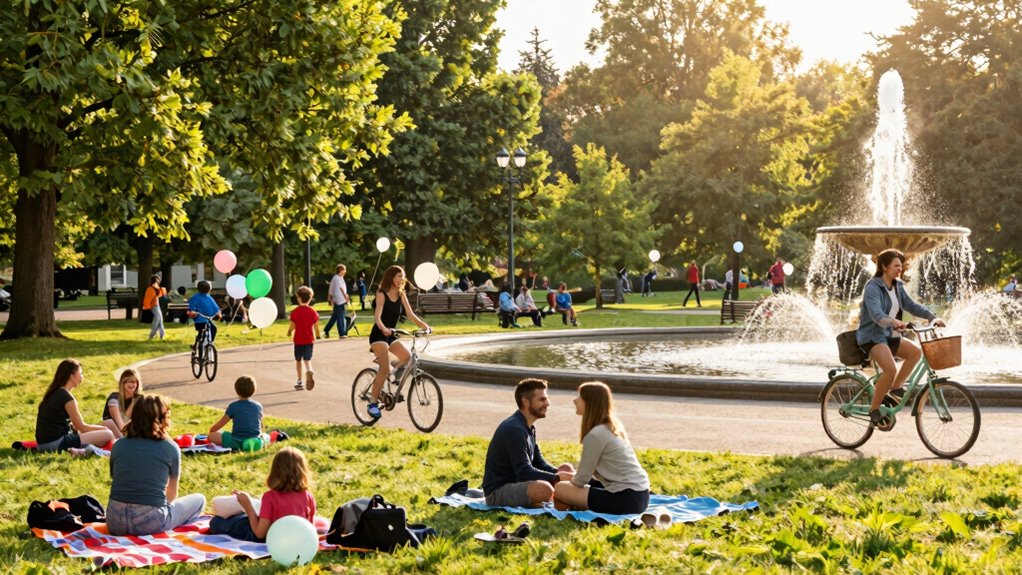
Have you ever wondered how the tradition of the weekend came to be? It’s a question that touches on the evolution of our workweek structure and the cultural traditions that shape our lives. For centuries, the idea of a two-day break wasn’t always the norm. Instead, people worked long hours, often six days a week, with Sundays or religious days offering occasional respite. Over time, society began recognizing the need for regular rest, driven by shifts in industrial practices and societal values. As factories and companies grew, so did the importance of establishing a predictable work schedule, which eventually led to the concept of a designated day of rest. But it wasn’t just about productivity; cultural traditions played an essential role, too. Religious observances, such as the Christian Sabbath on Sunday or Jewish Shabbat on Saturday, set early precedents for designated days off, embedding the idea of rest within cultural norms.
The modern weekend, as we know it, started taking shape in the 19th and early 20th centuries, especially in industrialized nations. Business leaders and labor movements recognized that offering employees regular time off could boost morale and productivity. The move toward a two-day weekend gained momentum as labor laws and union efforts pushed for shorter work hours. In some countries, this shift was also influenced by cultural traditions emphasizing rest and family time, reinforcing the idea that a break from work should be consistent and predictable. As the concept spread, the weekend became more than just a day off; it turned into a social and cultural rhythm, allowing people to reconnect with family, pursue leisure activities, and participate in community events. Additionally, the industrial revolution played a crucial role in reshaping work schedules and enabling the formalization of the weekend. This period also marked a shift towards recognizing the importance of leisure and relaxation as essential components of a healthy lifestyle. Furthermore, the shift in societal values towards prioritizing mental and emotional well-being helped cement the weekend as a vital part of modern life. An understanding of the economic development during this era reveals how economic factors intertwined with cultural shifts to promote the idea of a standardized rest period.
Over time, the idea of the weekend has become deeply ingrained in our cultural fabric. It’s a time when work takes a backseat, and personal life takes center stage. This shift reflects a broader understanding that rest isn’t just about physical recovery but also about mental and emotional well-being. Today, many countries have standardized the two-day weekend, and it’s viewed as a fundamental aspect of work-life balance. You might not have realized it, but this tradition is rooted in a complex history of societal change, economic development, and cultural traditions. The weekend’s evolution underscores how societies adapt to meet the needs of their people, balancing work demands with the importance of leisure and family life. It is also interesting to note how cultural influences continue to shape the way weekends are celebrated and observed across different regions. As work patterns evolve with technological advancements, the concept of leisure time continues to adapt, reflecting ongoing societal values and priorities. It’s a demonstration of how our collective values shape the rhythms of daily life.
As an affiliate, we earn on qualifying purchases.
Frequently Asked Questions
When Did the Concept of Weekends Originate Globally?
You might be surprised to learn that the concept of weekends originated in the early 20th century, mainly in Western countries. Cultural variations influenced how different societies adopted days off, with some nations having different days of rest. Modern adaptations, like the five-day workweek, helped solidify weekends as a universal break. Today, weekends serve as a global symbol of rest and leisure, shaped by historical, cultural, and economic factors.
How Did Religious Practices Influence Weekend Design?
You’re likely aware that religious rituals and sacred days shaped weekend design profoundly. These practices dictated rest days, like Sundays in Christianity or Fridays and Saturdays in Islam, emphasizing spiritual reflection and community. Over time, societies adapted these sacred days into designated leisure periods, balancing spiritual obligations with modern work rhythms. This influence preserved the sanctity of certain days, blending faith with the evolving concept of a weekend.
Were Weekends Always Two Days Long?
Weekends weren’t always two days long; historically, labor rights and cultural traditions shaped their development. In the early industrial era, workers fought for better hours, leading to the adoption of two-day weekends. Cultural traditions, like Sunday religious observance, also influenced this change. Over time, these efforts prioritized rest and work-life balance, making two-day weekends a standard. Your modern weekend reflects a mix of labor rights advancements and cultural influences.
How Did Industrialization Change Weekend Patterns?
Imagine a factory whistle signaling change—you now have time to breathe. Industrialization reshaped weekend patterns by championing labor rights and emphasizing leisure time. As workers fought for shorter hours, the two-day weekend emerged, giving people a chance to disconnect and enjoy life outside work. This shift transformed weekends from rare luxury into a standard part of modern life, helping you prioritize rest and personal pursuits.
Do All Countries Observe the Weekend the Same Way?
You’ll find that not all countries observe the weekend the same way. Cultural differences influence how weekends are structured, with some nations having Friday and Saturday off, while others observe Sunday as a rest day. Holiday variations also affect workweeks, making weekends diverse worldwide. These differences reflect each country’s traditions and religious practices, shaping unique weekend patterns that aren’t uniform across the globe.
As an affiliate, we earn on qualifying purchases.
Conclusion
So, as you journey through history’s quiet shifts, you realize the weekend’s gentle emergence wasn’t just by chance. It’s a story of subtle compromises and evolving norms, a dance of society’s quiet preferences. While the days off seem like a simple gift, they’re really a delicate balance of tradition and progress. And now, each weekend becomes a sacred space, softly reminding you that change often blooms in the most unassuming moments.
rest and relaxation home accessories
As an affiliate, we earn on qualifying purchases.
As an affiliate, we earn on qualifying purchases.
stress relief gadgets for weekends
As an affiliate, we earn on qualifying purchases.
As an affiliate, we earn on qualifying purchases.
Halloween Picks
halloween
As an affiliate, we earn on qualifying purchases.