📊 Full opportunity report: How To Run Phone-Free Venue Operations on IdeaNavigator AI — validation score, market gap, and execution plan.

Get movie nights delivered free with Prime
- Fast, free delivery on millions of items
- Prime Video, Amazon Music and more included
- Member-only deals all year
TL;DR
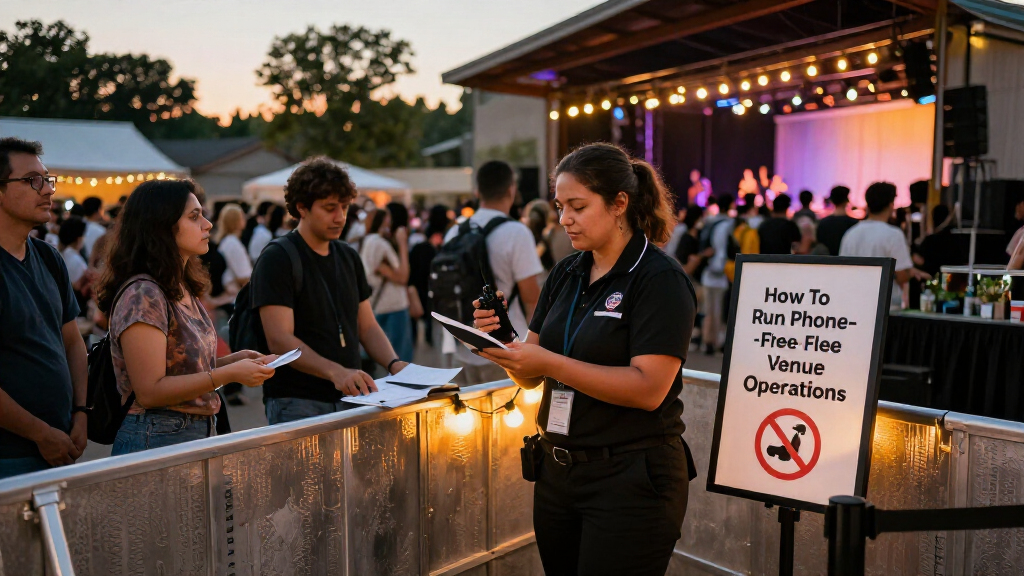
An IdeaNavigator AI proposal outlines an operations tool for phone-free shows, schools and other venues that use locked phone pouches. The concept includes check-in, exception handling, pouch tracking and logged emergency unlocks; pilots at five venues and three schools are proposed, but no test results or product launch are reported.
IdeaNavigator AI’s proposal describes an operations tool for phone-free events and institutions that use locked phone pouches, aiming to manage check-in, exceptions, inventory and emergency access in one workflow. The proposal calls for pilots at five venues and three schools, but does not report that a product has been built or that testing has begun.
According to the IdeaNavigator AI proposal, the system is aimed at operators of phone-free shows, comedy clubs, schools and courts that use pouch systems. The proposal says it would work alongside different pouch hardware rather than depend on a single manufacturer. It identifies improvised staff processes for missing pouches, medical or on-call exceptions, and urgent phone access as the operational problems the tool is intended to address.
The proposal’s suggested minimum viable product would combine check-in flows and an exception registry for cases such as medical needs or on-call duties, alongside pouch inventory tracking. It also proposes express emergency-unlock stations where staff record the reason for access, followed by post-event operational reports.
IdeaNavigator AI proposes charging operators through per-event or per-site subscriptions. Its suggested validation plan is to test the system at five venues and three schools, comparing exception-handling time and the completeness of incident logs with each location’s existing process. The proposal provides no pricing, pilot partners, implementation schedule or measured outcomes.
Managing Phone-Free Event Operations
Phone restrictions can require more than a rule at the door: staff must handle exceptions, track equipment and respond when someone needs access during an event. IdeaNavigator AI’s proposal argues that a centralized workflow could give operators a way to record these actions and review them after an event, rather than rely on scattered manual practices. That is the operational case made by the proposal, not a demonstrated result.
The balance between restricted phone use and practical access is particularly relevant when a person has a medical need or an on-call responsibility. The proposal suggests that a defined exception process and logged unlocks could help staff apply venue procedures consistently, while inventory records could help account for pouches. Whether those features reduce delays or improve record quality remains to be tested.
For operators, the proposal’s value would depend on whether it can fit existing door and security routines without adding friction. IdeaNavigator AI’s suggested pilots focus on two measurable questions: how long exception handling takes and whether incident logs are more complete than under current processes. Those results could help determine whether a subscription product addresses a recurring operational need.
As an affiliate, we earn on qualifying purchases.
From Pouch Rules to Workflows
IdeaNavigator AI’s proposal describes phone-free operations across live events, schools and courts, where organizers or institutions may require phones to be stored in locked pouches. It argues that administrative processes around that hardware have not kept pace with the spread of phone restrictions. The proposal provides no adoption figures, specific examples of pouch-related incidents or independent evidence about how widespread the cited problems are.
The proposal’s central distinction is between the pouch itself and the work surrounding it. The proposed software would not replace pouch hardware; it would sit alongside systems already in use and organize check-in, exceptions, inventory and emergency access. IdeaNavigator AI frames the idea as a narrow first workflow for operators, rather than a broad replacement for event-management or school systems.
event pouch inventory tracking device
As an affiliate, we earn on qualifying purchases.
As an affiliate, we earn on qualifying purchases.
Pilot Status and Evidence
IdeaNavigator AI reports no pilot results, and its proposal does not identify participating venues or schools. It is also unclear whether the tool exists as a prototype, who would build or operate it, or when testing might begin. The suggested sites and comparison measures are a plan, not confirmation of scheduled trials.
Several practical details remain open: how staff would verify medical or on-call exceptions, who could authorize emergency unlocks, how personal information would be stored, and how the system would connect with different pouch providers. The proposal also does not state what counts as a successful reduction in handling time or an adequately complete incident log. Those questions would need answers before operators could judge the tool’s safety, reliability or cost.
As an affiliate, we earn on qualifying purchases.
Testing the Proposed Workflow
IdeaNavigator AI describes a pilot at five venues and three schools as the next step. Operators would compare the proposed process with their current approach, measuring exception-handling time and the completeness of incident records. The proposal gives no timeline, identifies no pilot sites and does not say who would collect and assess the data.
If trials take place, their findings could show whether a hardware-agnostic tool fits different operating environments and whether the suggested features address the reported pain points. Until a pilot is confirmed and results are published, the idea remains a product proposal, not evidence that phone-free operations have become faster or more reliable.
Source: IdeaNavigator AI proposal
As an affiliate, we earn on qualifying purchases.
Key Questions
What is the proposed phone-free venue tool?
IdeaNavigator AI describes it as a proposed operations system for venues and institutions using locked phone pouches. Planned features include check-in, an exception registry, pouch inventory tracking, logged emergency unlocks and post-event reports.
Has the tool been launched or tested?
IdeaNavigator AI’s proposal does not confirm a launch or completed testing. It suggests pilots at five venues and three schools, but provides no dates, participating sites or results.
Who is the tool intended for?
The proposal targets operators of phone-free shows, comedy clubs, schools and courts that use pouch systems. It describes the concept as hardware-agnostic.
How would the proposed system be evaluated?
IdeaNavigator AI proposes measuring exception-handling time and incident-log completeness against each site’s existing process. It specifies no success thresholds or measurement details.
Source: IdeaNavigator AI
Halloween Picks
halloween
As an affiliate, we earn on qualifying purchases.