TL;DR

Get movie nights delivered free with Prime
- Fast, free delivery on millions of items
- Prime Video, Amazon Music and more included
- Member-only deals all year
NPR’s Wild Card staff found a burst of short, unusual comments on a Spotify episode and initially suspected bots. Colleague Hannah Chinn thought the commenters were middle-schoolers using the thread to talk, but the available report excerpt does not establish who the commenters were or how the group formed.
NPR’s Wild Card team found a cluster of strange comments on a Spotify episode and debated whether they came from bots or children using the thread to chat. In a report for This American Life, staff member Hannah Chinn said the brief, friendly exchanges looked to her like middle-schoolers trying to connect online; the supplied excerpt does not confirm the commenters’ identities.
Dave Blanchard, who runs Wild Card, noticed the comments while monitoring online responses to an episode featuring writer Elizabeth Gilbert. He told This American Life host Ira Glass that the posts initially looked like gibberish and seemed unlike ordinary comments. Examples he read included “Gilgamesh quit and I’m crying,” a note about a breakup, and a compliment about someone’s cats. Their apparent interaction made him wonder whether they were a new kind of bot activity.
Blanchard deleted the posts. He then saw a comment saying its author’s post had been removed, followed by other brief reactions. That made him less certain the activity was automated. He shared screenshots in NPR’s Slack channels, and a senior colleague suggested contacting Spotify. Blanchard said he did so, though the excerpt does not describe Spotify’s response.
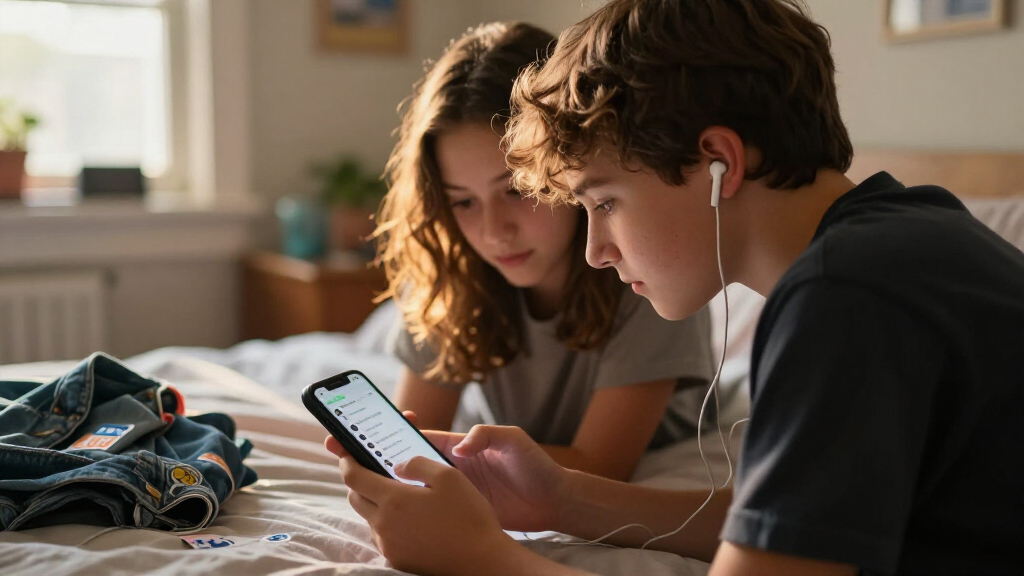
Chinn interpreted the screenshots differently. She pointed to decorative display names, cartoon profile pictures, short greetings and repeated acknowledgments. Drawing on her own experience using online spaces to communicate as a young person, she suggested the commenters were middle-schoolers using the episode’s comment thread as a group chat, perhaps because other apps were blocked on their phones. She presented that explanation as her theory, not as a verified identification.
A Comment Thread Becomes a Meeting Place
The episode illustrates how people can use a platform in ways its staff do not expect. A comment section intended for reactions to a show may also serve as a place for young users to find one another and exchange messages. For adults reviewing the posts, unfamiliar online habits can resemble spam or automated activity, especially when the conversation consists of short phrases with little context.
The account also matters because the staff response involved removing comments and reporting the activity before Chinn offered another interpretation. Her view prompted colleagues to reconsider what they were seeing. The excerpt does not say whether any posts were restored, whether Spotify took action, or whether NPR changed how it moderates comments. It therefore documents a staff debate and a plausible explanation, rather than a confirmed account of the children’s identities or circumstances.
How Wild Card Staff Read the Posts
Blanchard’s role included keeping an eye on comments about Wild Card online. The activity appeared beneath an episode featuring Elizabeth Gilbert, whose book had been controversial, so he initially wondered whether the episode had drawn unusual attention. When he read the posts, however, their disjointed wording led him to suspect bots. The fact that accounts seemed to be responding to one another complicated that impression.
Chinn said her own experience shaped her reading of the screenshots. She recalled communicating with friends through online tools not designed as chat services, including Google Docs, while growing up in a conservative home with limited social media access. She recognized the short greetings and attempts to acknowledge others as behavior she associated with young people learning to connect online. In the excerpt, Glass introduces her further digging, but the text ends before describing what she found next.
““It screamed bots,” he said of the first comments he saw.”
— Dave Blanchard, Wild Card host and producer
The Commenters’ Identities Remain Unverified
The supplied excerpt does not establish who posted the comments, how old the users were, or whether they knew one another before arriving at the thread. Chinn’s assessment is based on the style of the posts and the account profiles, not on confirmed identities. The excerpt also does not include Spotify’s response to Blanchard’s report or say whether the service investigated the activity.
The source text cuts off just as Glass says Chinn did more digging and introduces a possible playlist-related clue. Without the rest of the report, it is not possible to describe that finding or determine whether it strengthened her theory. The available material also does not explain how long the comments continued or what ultimately happened to the thread.
What the Full Report Could Clarify
The supplied account leaves the inquiry open. The remainder of the This American Life report may provide the details of Chinn’s further digging, any evidence about how the commenters found the episode, and whether the group continued communicating there. Those points are not established in the excerpt provided here.
For now, the documented development is the disagreement among NPR staff over how to interpret the posts: Blanchard saw possible bots, while Chinn recognized what she thought was young people using a public comment area to connect. The commenters’ identities and the outcome of any report to Spotify remain unknown in the supplied material.
Key Questions
What happened on the NPR Spotify page?
Staff found a cluster of short, unusual comments beneath a Wild Card episode featuring Elizabeth Gilbert. Blanchard initially suspected bots; Chinn thought the posts looked like children using the thread to talk.
Were the commenters confirmed to be children?
No. Chinn said she believed they were middle-schoolers, based on the comments and profile details. The supplied excerpt does not verify their ages or identities.
Why did staff suspect bots?
Blanchard described the posts as incoherent and unusual, and he found the apparent interaction among different accounts difficult to explain. A comment noting that a post had been deleted made him question his first impression.
Did Spotify respond to NPR’s report?
Blanchard said he reported the activity to Spotify, but the supplied excerpt does not say whether the company responded or investigated.
Source: hn
Halloween Picks
halloween
As an affiliate, we earn on qualifying purchases.