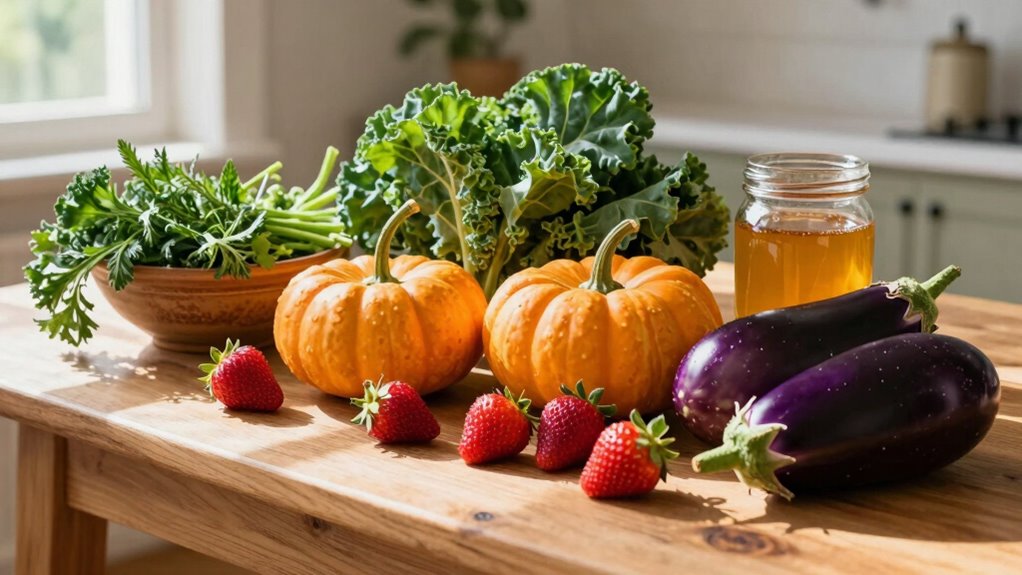

Embracing seasonal eating is a simple way to boost your wellness by eating produce at its peak flavor and nutrient content, which naturally supports your energy and digestion. It encourages you to connect with nature’s cycles, making healthy choices more mindful and enjoyable. By supporting local farmers and preserving seasonal foods, you can enjoy fresh flavors year-round while reducing waste. If you want to discover how this easy shift can transform your health, just keep exploring.

Get movie nights delivered free with Prime
- Fast, free delivery on millions of items
- Prime Video, Amazon Music and more included
- Member-only deals all year
Key Takeaways
- Seasonal eating naturally aligns with the body’s needs and promotes better digestion and energy levels.
- Consuming local, fresh produce enhances flavor, nutrients, and overall well-being.
- Preserving seasonal foods extends their health benefits year-round, supporting consistent nutrition.
- Supporting local farmers and sustainable practices benefits both health and the environment.
- Embracing seasonal cycles fosters mindfulness, making healthy eating a simple, intentional lifestyle choice.
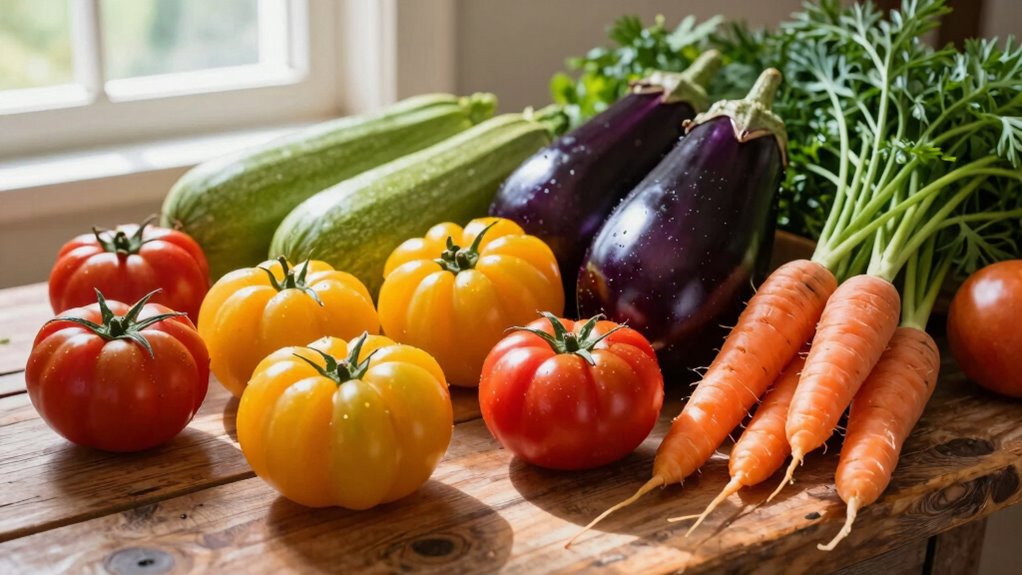
As the seasons change, so do the freshest ingredients available, making seasonal eating a simple yet powerful way to boost your wellness. When you shop at farmers markets, you gain access to produce that’s peak ripeness, bursting with flavor and nutrients. These markets often showcase locally grown fruits, vegetables, and herbs, which means you’re getting ingredients that haven’t traveled long distances, preserving their nutritional value. By choosing seasonal foods, you naturally align your diet with what your body needs at different times of the year, supporting overall health and energy.
Eating seasonally with local markets keeps your diet fresh, flavorful, and aligned with your body’s natural needs throughout the year.
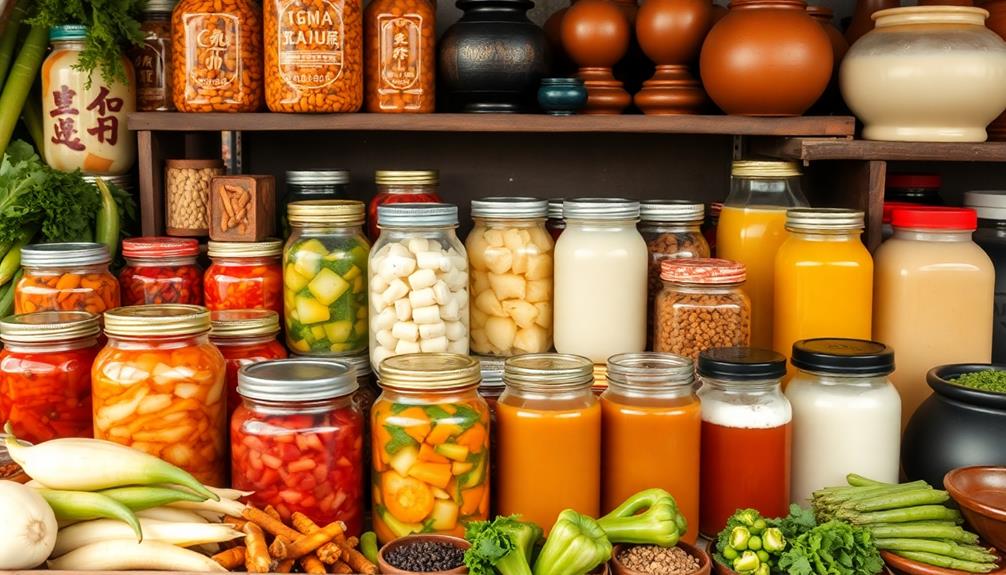
One of the key advantages of seasonal eating is that it encourages food preservation. When you buy in bulk from farmers markets, you can preserve excess produce through methods like freezing, canning, or drying. Food preservation allows you to enjoy the flavors and nutrients of seasonal foods well beyond their natural growing period. For example, you might freeze summer berries or make jars of homemade tomato sauce in the fall. This not only helps reduce waste but also makes healthy eating more convenient year-round. You can also explore food preservation techniques to extend the benefits of seasonal produce, ensuring a steady supply of nutritious ingredients regardless of the season. Incorporating food preservation into your routine can help you maximize the nutritional value of seasonal foods and enjoy their benefits long after harvest. Additionally, understanding the role of preservation in maintaining food quality can deepen your appreciation for seasonal eating.
Eating seasonally also connects you more deeply to the cycles of nature, fostering mindfulness about what you’re putting into your body. When you follow the rhythm of the seasons, you become more aware of how different foods nourish you at specific times, improving digestion and energy levels. For instance, during colder months, root vegetables and hearty greens help keep you warm and satiated, while lighter fruits and salads in summer hydrate and refresh you. Incorporating these seasonal variations helps diversify your diet naturally, ensuring you receive a broad spectrum of nutrients throughout the year.
Furthermore, shopping at farmers markets supports local farmers and sustainable agriculture, which benefits the environment and your community. It encourages practices that are less intensive and more eco-friendly, reducing your carbon footprint. The experience of selecting seasonal produce at markets also offers a tactile, sensory connection to your food. You can see, smell, and taste freshness, making meals more enjoyable and meaningful. This connection often leads to better food choices and a greater appreciation for wholesome ingredients.
In addition, embracing seasonal eating can help you develop a more mindful and intentional approach to your overall wellness, aligning your lifestyle with nature’s natural flow. It’s a simple shift that transforms the way you approach nutrition, turning it into a sustainable and enriching wellness practice. By leveraging farmers markets and food preservation techniques, you guarantee a steady supply of vibrant, nutritious foods that elevate your health naturally. It’s a simple shift that aligns your diet with nature’s cycles, making healthy living an effortless, joyful part of your daily routine.
seasonal produce storage containers
As an affiliate, we earn on qualifying purchases.
As an affiliate, we earn on qualifying purchases.
Frequently Asked Questions
How Does Seasonal Eating Improve Mental Health?
Seasonal eating boosts your mental health by supporting your seasonal mood, helping you feel more balanced throughout the year. By consuming a variety of nutrient-rich foods that change with the seasons, you get a diverse array of vitamins and minerals, which improve brain function and reduce mood swings. This natural approach encourages mindfulness and connection with nature, promoting overall emotional well-being and making you feel more grounded and energized.
Can Seasonal Foods Help With Weight Management?
Yes, seasonal foods can help with weight management because they offer nutritional benefits, promote culinary variety, and encourage mindful eating. When you eat foods in season, you naturally choose fresher, more nutrient-dense options that support your health. The variety keeps your meals exciting, reducing cravings and overeating. Plus, seasonal produce often costs less, making it easier to maintain a balanced diet and stay committed to your wellness goals.
Are There Specific Seasonal Foods for Different Health Conditions?
Yes, seasonal foods can target specific health conditions. For example, winter squash and root vegetables boost immunity during cold months, while berries and citrus support heart health. By choosing from the local harvest, you access fresh, nutrient-dense produce directly from farm to table, which can enhance healing and wellness. Eating seasonally allows you to tailor your diet to your health needs, all while enjoying the benefits of local harvest freshness.
How Do I Start Incorporating Seasonal Eating Into My Busy Schedule?
You can start incorporating seasonal eating into your busy schedule by planning your grocery shopping around seasonal produce. Dedicate time for meal prep on weekends or evenings, focusing on fresh, local ingredients. Keep a list of what’s in season to streamline shopping and cook versatile dishes that can be easily stored or repurposed. This approach makes healthy, seasonal eating manageable without disrupting your busy routine.
What Are Common Misconceptions About Seasonal Eating?
Many believe seasonal eating is complicated or limits variety, but that’s a nutritional myth. You might think food availability restricts choices, yet seasonal produce actually offers fresher, more flavorful options. It’s like a symphony of nature’s rhythms, not a restriction. Embracing seasonal eating can be simple and nourishing, breaking the misconception that it’s restrictive. Instead, it’s an accessible way to boost your health while celebrating each season’s unique bounty.
As an affiliate, we earn on qualifying purchases.
Conclusion
Embracing seasonal eating is like tuning into nature’s heartbeat, syncing your body with its natural rhythms. It’s a simple yet powerful way to boost your wellness, nourish your body, and reconnect with the world around you. When you choose fruits and vegetables in their prime, you’re not just eating—you’re riding the wave of nature’s best offerings. So, jump in and let the seasons guide you to healthier, happier days ahead.
As an affiliate, we earn on qualifying purchases.
As an affiliate, we earn on qualifying purchases.
Halloween Picks
halloween
As an affiliate, we earn on qualifying purchases.