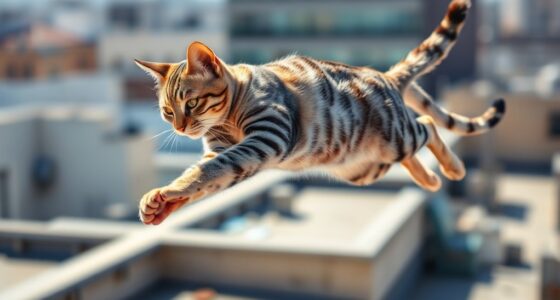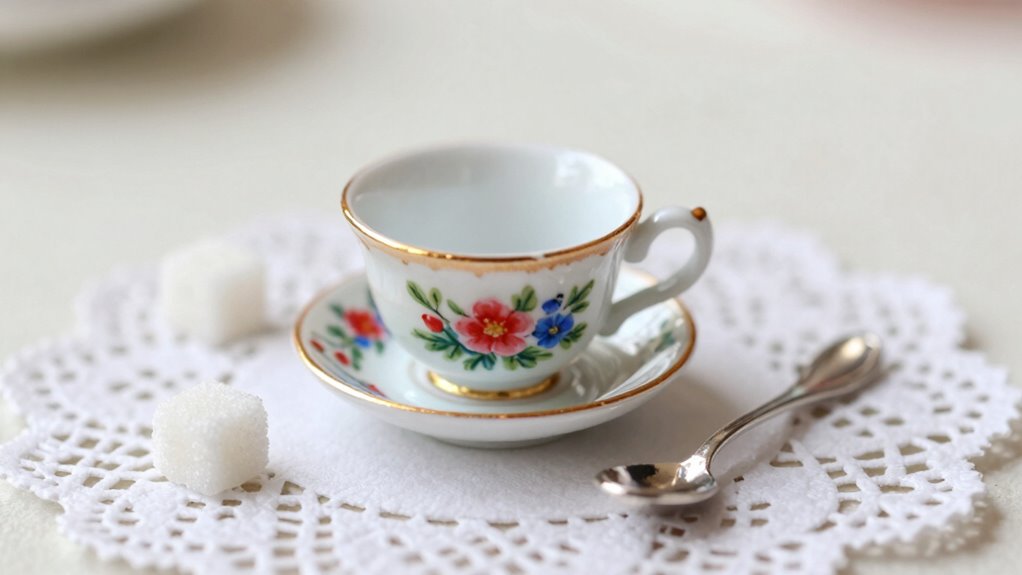

You find miniature things adorable because their small size triggers a nurturing response in you, rooted in evolution and cultural influences. Tiny objects evoke feelings of vulnerability and harmlessness, making you feel protective and tender. Cultures often associate smallness with innocence and cuteness, reinforcing this instinct. This blend of innate tendencies and learned perceptions makes miniatures irresistibly lovable. If you keep exploring, you’ll discover even more fascinating reasons behind why these tiny treasures captivate us so deeply.

Get movie nights delivered free with Prime
- Fast, free delivery on millions of items
- Prime Video, Amazon Music and more included
- Member-only deals all year
Key Takeaways
- Tiny objects resemble vulnerable young creatures, triggering innate caregiving and nurturing instincts.
- Small size signals harmlessness, evoking feelings of safety and tenderness.
- Cultural influences, like “kawaii,” reinforce perceptions of cuteness and innocence in miniatures.
- Innate responses to small, helpless creatures are combined with learned associations of cuteness.
- The interplay of biological instincts and cultural messages makes miniature objects irresistibly adorable.
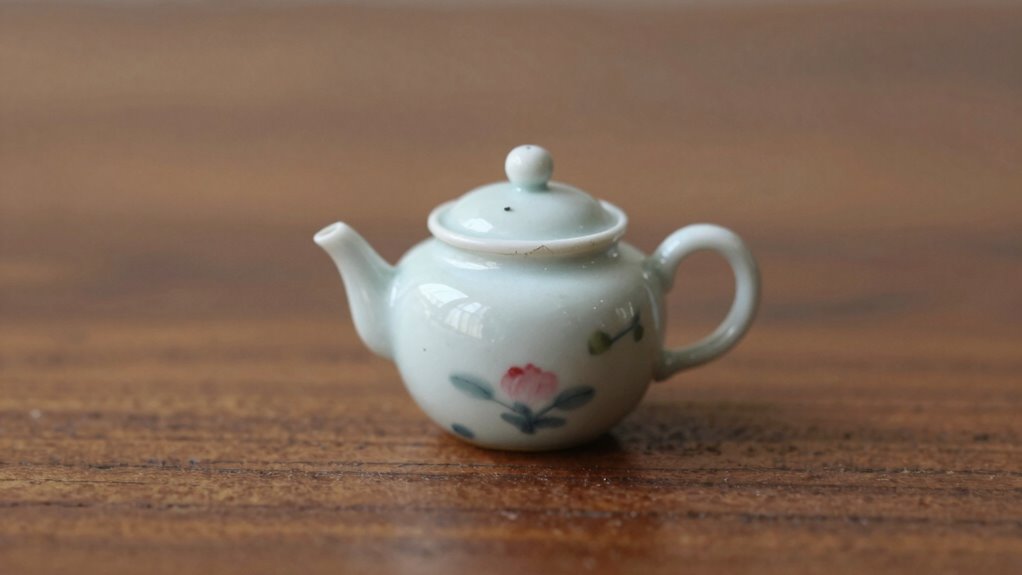
Have you ever wondered why tiny objects like miniature animals, toys, or food often make us feel so drawn to them? It’s as if something about their small size sparks a deep, instinctive reaction inside you. This phenomenon isn’t just random; it’s rooted in how animal behavior and cultural influences shape our perceptions. When we see something miniature, our brains often interpret it as vulnerable or harmless, triggering feelings of affection and protectiveness. This response is partly evolutionary—small animals or objects resemble young creatures, which naturally evoke nurturing instincts. The more adorable and helpless they appear, the more likely you are to feel compelled to care for them, even if they’re just tiny figurines or food.
Tiny objects trigger nurturing instincts by resembling vulnerable young creatures, evoking affection and a desire to protect.
Cultural influences also play a significant role in why you find miniature things so enchanting. In many societies, small-scale items are associated with cuteness, innocence, and playfulness. Think of how Japanese culture elevates the concept of “kawaii,” or cuteness, making miniature characters and toys highly desirable. These cultural ideals reinforce your natural responses, encouraging you to see small objects as endearing and lovable. Media and popular trends further amplify this effect by showcasing miniature food or tiny plush toys as symbols of joy and comfort. Over time, these influences shape your aesthetic preferences, making miniature versions seem even more appealing. Additionally, cultural ideals can influence how we interpret and respond to these tiny objects, deepening our emotional connection.
Your response to miniature objects is a blend of innate tendencies and learned behaviors. Animal behavior studies reveal that many animals react strongly to small, vulnerable creatures because they’re hardwired to care for their young. When you see a tiny animal or toy, your brain recognizes it as something in need of protection, sparking feelings of warmth and affection. Meanwhile, cultural influences teach you to associate smallness with cuteness and innocence, further intensifying your emotional reaction. This combination explains why miniature things evoke such a strong sense of joy and fascination. Additionally, understanding the biological basis of our attraction to cuteness can deepen your appreciation for this instinctual response.
Ultimately, it’s a complex interplay between evolutionary instincts and cultural conditioning that makes tiny objects so irresistibly adorable. Your brain is wired to respond positively to small, vulnerable forms, and cultural messages deepen that response by linking smallness with positive qualities like innocence and playfulness. Whether it’s a tiny animal figure or miniature food, these objects tap into fundamental human instincts and social influences, making them impossible to resist. So, the next time you find yourself enthralled by a miniature, remember—you’re experiencing a natural, deeply rooted reaction shaped by both animal behavior and cultural influences.
As an affiliate, we earn on qualifying purchases.
Frequently Asked Questions
Do Cultural Differences Influence Perceptions of Cuteness in Miniatures?
Yes, cultural differences influence how you perceive cuteness in miniatures. Cultural symbolism and artistic representations shape your reactions, making certain miniature features more appealing based on your background. For example, some cultures might see tiny animals as symbols of luck, enhancing their cuteness. Your cultural context guides your emotional response, so what’s adorable in one society may not evoke the same feeling elsewhere.
Can Exposure to Miniatures Affect Our Real-World Object Appreciation?
Yes, exposure to miniatures can influence your real-world object appreciation by shifting your scale perception and sparking novelty interest. When you regularly see small versions of objects, you may start valuing detailed craftsmanship more and notice finer aspects of everyday items. This increased familiarity with miniature scale enhances your curiosity and appreciation for real objects, making you more attentive to intricate details and fostering a deeper connection to your environment.
Are There Psychological Benefits to Interacting With Miniature Items?
Interacting with miniature items offers psychological benefits by fostering emotional attachment and enhancing your aesthetic appreciation. These tiny objects can evoke feelings of nostalgia, comfort, and curiosity, helping you relax and reduce stress. They also sharpen your attention to detail and stimulate your creative thinking. By appreciating their intricate design and charm, you strengthen your emotional well-being and cultivate a deeper sense of joy and mindfulness.
How Does Childhood Development Relate to Liking Miniature Things?
Your childhood development influences your love for miniatures through scale perception and sensory engagement. As a child, you’re naturally curious and drawn to small objects because they stimulate your senses and help you understand the world’s scale. Interacting with miniatures enhances your fine motor skills and provides comfort, reinforcing positive feelings. This early exposure shapes your appreciation for tiny things, making them feel safe, fascinating, and emotionally rewarding.
Do Preferences for Miniatures Change With Age?
As you grow older, your preference for miniatures might fade like childhood nostalgia, but their aesthetic appeal still charms you. With age, you may appreciate tiny things for their intricate detail rather than cuteness. Though your fascination might shift, miniatures continue to serve as windows into simpler times, reminding you of innocence and wonder. Your taste evolves, but the magic of miniatures never truly leaves your heart.
As an affiliate, we earn on qualifying purchases.
Conclusion
So, next time you see a tiny puppy or a miniature teacup, remember it’s your brain’s way of triggering nurturing instincts—enhanced by our love for detail and innocence. Imagine a hobbyist who creates miniature food replicas; their attention to tiny details sparks joy and fascination. It’s this blend of vulnerability and precision that makes miniature things irresistibly cute, tapping into our deep-seated desire to care for and protect what’s small and delicate.
As an affiliate, we earn on qualifying purchases.
As an affiliate, we earn on qualifying purchases.
Halloween Picks
halloween
As an affiliate, we earn on qualifying purchases.