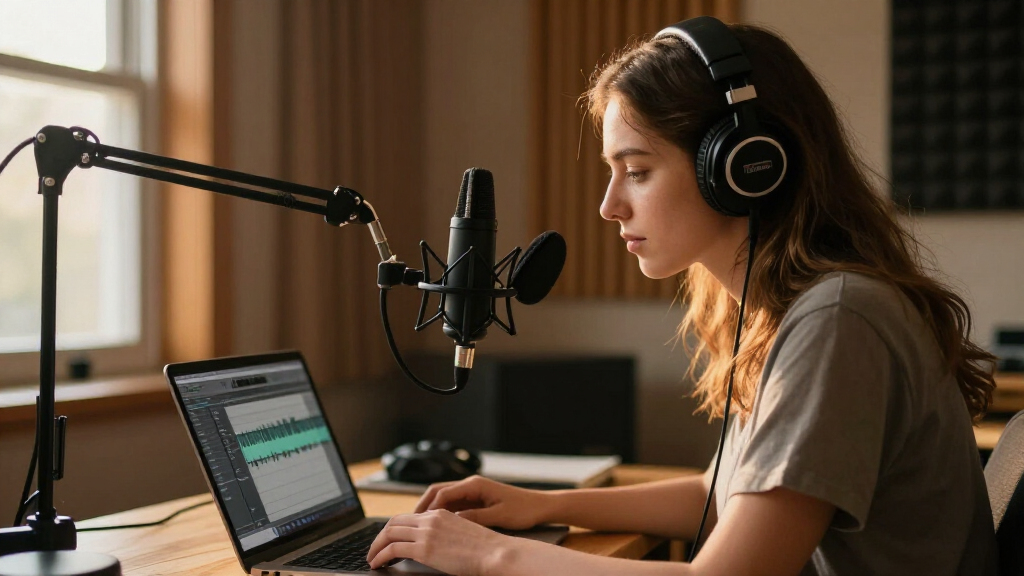

🔍 Read the full analysis: 12 Best AI Voice Cloning Software Guides For 2027 on ThorstenMeyerAI.com

Get movie nights delivered free with Prime
- Fast, free delivery on millions of items
- Prime Video, Amazon Music and more included
- Member-only deals all year
TL;DR
ThorstenMeyerAI.com recommends Mastering ElevenLabs as its broadest learning pick among 12 guides for AI voice cloning in 2027. The listings are books and learning resources, not voice-cloning software, and the source does not provide enough title information to identify all 12 picks individually.
ThorstenMeyerAI.com has published a 12-item guide to learning AI voice cloning, naming Mastering ElevenLabs as its best overall learning pick and AI Voice Cloning with Python as a fit for readers who want to build a local workflow. The comparison covers books and guides, not cloning applications, so it cannot establish what tools currently offer or how well they perform.
The guide sorts resources by their apparent usefulness for different learning goals: operating ElevenLabs, building a voice-cloning workflow with Python, getting started without a studio, exploring audio AI, and learning related production skills. For another concise roundup, see this overview of AI voice-cloning guides. It describes Mastering ElevenLabs as covering cloning alongside generation, dubbing and audio production. AI Voice Cloning with Python is presented as the more technical option, while Clone Your Voice: Easy, No Studio is framed as an accessible first project.
Other named titles in the source include ElevenLabs for Beginners 2026 and broader handbooks. The source says focused guides may suit readers who want a narrower introduction, while broader resources can connect cloning with narration, dubbing, editing or production. It does not provide a complete, itemized list of all 12 titles in the supplied material, so the remaining picks and their individual details cannot be independently summarized here.
The publisher says it ranked the resources by how directly they teach voice-cloning workflows, whether their scope matches a particular skill level, and whether they address work beyond generating a sample. It did not compare the books on voice fidelity, latency, licensing, security or subscriptions, because those depend on the separate software or model selected by the reader.
The 12 picks
- 1
 Clone Your Voice: Easy, No Studio: The Weekend Guide to AI Voice CloningView on Amazon →
- 2
 Mastering ElevenLabs: A Practical Guide to AI Voice Generation, Voice Cloning…View on Amazon →
- 3
 Suno AI Music Bible: A Guide to Prompt Engineering, Suno Studio, Voice Clonin…View on Amazon →
- 4
 The Complete Guide to ElevenLabs: AI Voice and Audio CreationView on Amazon →
- 5
 AI for Caveman: Build Your Own Forge to Run LLMs, Stable Diffusion, and Voice…View on Amazon →
- 6
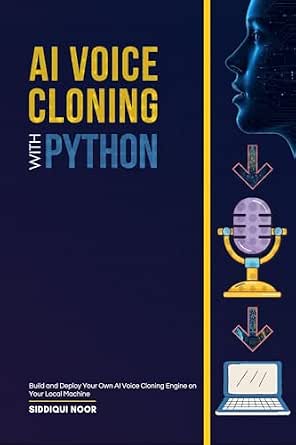 AI Voice Cloning with Python: Build and Deploy a Local Voice Cloning EngineView on Amazon →
- 7
 ElevenLabs: A Complete Guide to AI Voice Generation and CloningView on Amazon →
- 8
 The AI Voice Creator’s Handbook: A Practical Guide to Voice Generation, Cloni…View on Amazon →
- 9
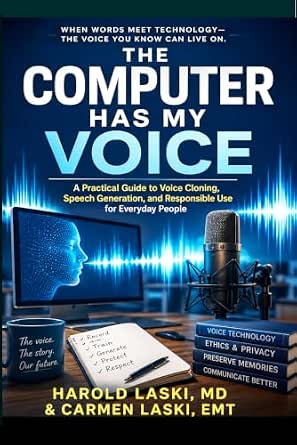 The Computer Has My Voice: An Independent Guide to Voice Cloning, Speech Gene…View on Amazon →
- 10
 AI Voice Cloning: The Complete Guide to ElevenLabs and BeyondView on Amazon →
- 11
 Audio AI for Beginners: Generative AI for Voice Recognition, Text-to-Speech,…View on Amazon →
- 12
 ElevenLabs for Beginners 2026: A Step-by-Step Guide to AI Voice GenerationView on Amazon →
Choosing a Guide for Your Workflow
The distinction between instruction and software matters for readers making a purchase. A guide can explain a process, but it does not give the buyer access to a voice-cloning service, confirm that a platform remains available, or guarantee that old screenshots and directions still match a provider’s current interface. Readers need to check the tool, account requirements and documentation separately.
The comparison also points to a practical tradeoff: hosted services may require less setup, while local, code-based workflows can offer more control over the environment and handling of data. That control can bring extra work with dependencies, hardware, model files and troubleshooting. The guide’s recommendations are best understood as suggestions about what to learn, not rankings of which software makes the best clone.
Consent and data handling remain relevant regardless of the learning path. Readers should obtain permission before cloning a person’s voice and review a provider’s rules for recording, storage, access and commercial use. Running a workflow locally does not remove the need for consent or lawful use.
Popular right now

De'Longhi Dinamica Plus Fully Automatic Espresso Machine

KitchenAid Classic Series 4.5-Quart Tilt-Head Stand Mixer, Onyx Black

TCL 85 Designer Series QD-Mini LED TV (Model 85A400U) with Google Smart TV
As an affiliate, we earn on qualifying purchases.
How the Guide Ranks Learning Resources
The source says its ordering reflects each title’s apparent fit for a distinct audience, with beginner accessibility, technical depth and topic relevance shaping its assessment. It favors guides that connect cloning to adjacent audio tasks, while recognizing that a focused resource can be more useful for a reader targeting one platform or skill.
That method has limits. The source material identifies some titles and describes categories of others, but does not include the full 12-entry list, detailed contents, publication information or a reproducible scoring table. Its judgments are recommendations from the publisher, not independently verified tests of the books or of any software they discuss.
““These listings are books and guides rather than software applications.””
— ThorstenMeyerAI.com
Details Missing From the Listing
The supplied source does not name all 12 titles or give enough information to verify their publication status, authors, editions, prices or availability for 2027. It also does not provide the underlying evidence for each ranking or identify the software versions used in the guides. Those details matter because platform interfaces, features and policies can change.
There is no comparative testing of cloning quality, processing time, data security or licensing in the material. The source itself says those factors depend on the software or model a reader chooses and may change over time. Its recommendations should not be read as confirmation that a particular tool is current, safe for a given project or permitted for commercial use.
Verify Titles and Tool Requirements
Readers considering a purchase should check the complete 12-title list, current editions and table of contents before choosing a guide. They should also compare the guide’s examples with the software or local model they plan to use, then consult that provider’s current documentation and policies.
For any project involving another person’s voice, the next step is to confirm consent and understand how recordings and generated audio will be stored and used. The source does not announce a follow-up ranking or software test, so any future update to the list is unknown.
Key Questions
Does the guide recommend 12 voice-cloning software products?
No. The source describes 12 books and guides for learning about voice-cloning workflows. Readers need separate software or a model to create cloned speech.
Which title does ThorstenMeyerAI.com recommend overall?
The source names Mastering ElevenLabs as its best overall learning pick, citing its coverage of cloning, generation, dubbing and audio production. That is the publisher’s assessment, not a software performance test.
Which guide is aimed at a local, code-based workflow?
AI Voice Cloning with Python is presented as the fit for readers who want to build a local engine. A coding-focused approach can involve setup and troubleshooting beyond using a hosted service.
Does the source provide the full list of 12 titles?
The supplied material names several titles but does not identify all 12 individually. It also lacks full publication and availability details, so those should be checked against the original guide or sellers.
What should readers check before cloning a voice?
Obtain the speaker’s permission and review the selected tool’s rules for consent, data storage, access and commercial use. A local workflow does not remove the need for responsible and lawful use.
Source: ThorstenMeyerAI.com