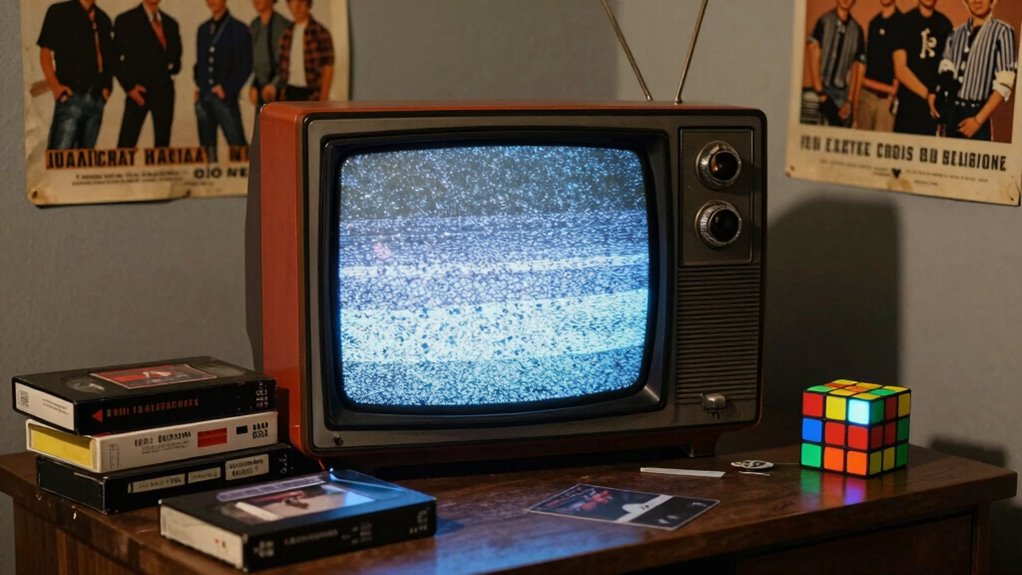

Pop culture references feel instantly dated because they’re tied to specific moments that lose relevance as trends, technology, and societal interests shift. When the cultural landscape moves on, what once seemed iconic becomes outdated or misunderstood. Nostalgia can boost importance for some, but often younger audiences or those unfamiliar see them as meaningless. As media evolves and trends accelerate, references quickly become relics. Keep exploring to discover how these shifts continue to shape pop culture’s fleeting nature.
Key Takeaways
- They are tied to specific moments or trends that quickly fade from public memory.
- Technological and media shifts rapidly change how and which references are relevant.
- Cultural and societal values evolve, making past references seem out of touch.
- Nostalgia can make references feel dated if the emotional connection diminishes over time.
- The fast pace of trend cycles shortens the lifespan of cultural references.
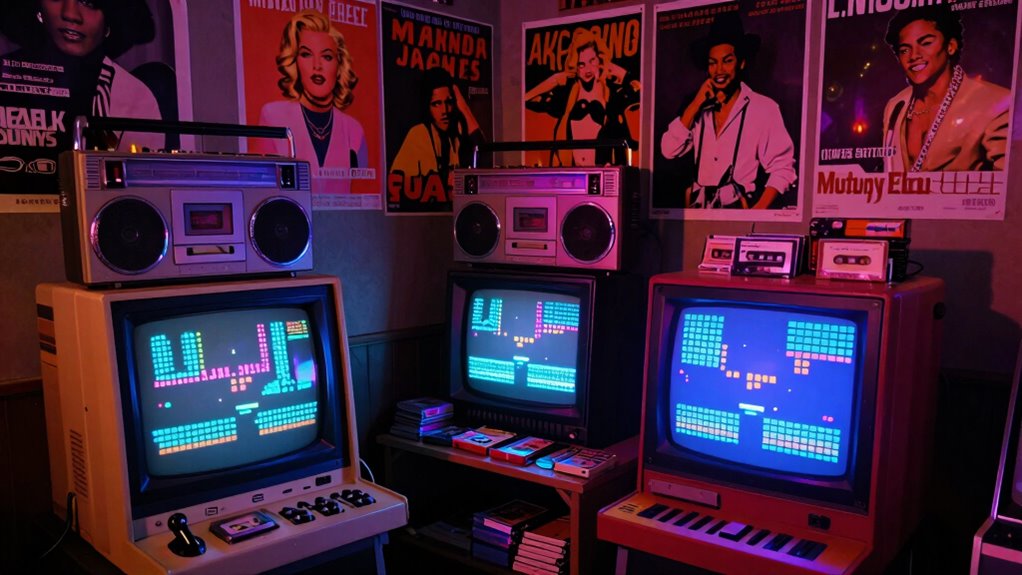
Pop culture references can add flavor to conversations, stories, or media, but they often become outdated quickly. When you drop a reference to a trending TV show, a hit song, or a viral meme from a few years ago, it can instantly feel out of place—like an inside joke that no longer lands. That’s because these references are tied to specific moments in time, and their relevance tends to fade as cultural shifts unfold. For example, a reference to a now-forgotten social media platform or a fleeting celebrity trend can seem out of touch because the cultural landscape has moved on. You might find yourself explaining what made a certain show or fad so significant at the time, only to realize that most people today have no frame of reference. That’s the nature of pop culture—it’s constantly changing, and what’s hot today can be cold tomorrow. Cultural relevance is a fleeting aspect of pop culture, which is why references tied to a specific moment can quickly become obsolete.
Additionally, media consumption patterns evolve with technological advancements, further influencing which references remain relevant. An understanding of pop culture longevity can help explain why some references persist longer than others, yet many still fade over time. For instance, the rise of digital media and streaming platforms has accelerated the lifecycle of trends, making some pop culture moments feel fleeting even faster. The speed of trend evolution means that what was once considered a cultural milestone can be forgotten within a few years. Nostalgic significance also plays a role. When you reference something from the past, it often carries emotional weight, particularly for those who lived through it. But for newer generations or those who didn’t experience the moment firsthand, the reference might lack impact or even make little sense. The emotional connection that makes a reference meaningful is often tied to personal or collective memories, which can quickly fade or become less relevant. As a result, a reference meant to evoke nostalgia may fall flat or feel outdated, especially if the cultural context has shifted and the original significance has been lost.
Ultimately, the reason pop culture references feel instantly dated comes down to their dependence on a specific time and cultural moment. They’re like snapshots frozen in time, which lose their relevance as society moves forward. Whether it’s due to changing interests, technological advancements, or shifting societal values, these references are bound to become relics—reminding us of what once was, even as we look ahead to what’s next.

Seoul Travel Guide 2026: Discover Palaces, K-Pop Culture, Street Food, Hidden Gems, Day Trips, Local Markets, Traditional Villages, and Unforgettable South Korean Adventures
As an affiliate, we earn on qualifying purchases.
As an affiliate, we earn on qualifying purchases.
Frequently Asked Questions
How Do New Trends Affect Outdated Pop Culture References?
New trends accelerate trend evolution and reflect ongoing cultural shifts, making outdated pop culture references feel even more disconnected. When you follow current trends, you notice how quickly references lose relevance, as society’s interests and values change. This rapid pace pushes older references into obscurity, highlighting how cultural shifts shape what feels current versus outdated. Staying updated helps you recognize which references still resonate and which have become relics of the past.
Can Context Make an Old Reference Feel Relevant Again?
Yes, context can make an old reference feel relevant again. When you provide intergenerational understanding and cultural literacy, you bridge gaps between different age groups. Explaining or updating a reference helps others see its significance, making it resonate anew. By framing the reference within current conversations or shared experiences, you breathe new life into it, fostering connection and appreciation across generations.
What Role Does Nostalgia Play in Perceiving Dated References?
Nostalgia plays a sneaky role, amplifying how you perceive dated references. Ironically, it boosts emotional resonance, making you think, “That’s still cool,” even if it’s outdated. When you feel nostalgic, you naturally cling to the past, which can make old pop culture moments seem relevant again. It’s like reliving memories, where the emotional pull clouds your judgment, blinding you to the fact that some references are genuinely outdated.
How Quickly Do Pop Culture References Become Outdated?
Pop culture references can feel outdated within months, especially as viral memes and trending fashion icons change rapidly. You might notice that jokes or mentions tied to current viral memes lose relevance once the meme fades from popular consciousness. Similarly, references to fashion icons from a specific era quickly become dated as new trends emerge. Staying current requires adapting to these shifts, or else your references will feel stale and disconnected.
Are Some References Timeless Despite Changing Trends?
Some pop culture references remain timeless because they become enduring symbols or classics that transcend trends. When you use references from timeless classics, they resonate across generations, giving your message a universal appeal. These references connect deeply because they evoke shared experiences, making them feel less dated even as trends change. So, by tapping into enduring symbols, you can guarantee your references stay relevant and meaningful over time.

TableTopics Pop Culture Conversation Pack ’70s, ’80s, and ’90s – 120 Conversation Starter Cards, Themed Question Card Game to Play with Adult Friends, Share Great Memories About Music, Movies, Fashion
Conversation Game: 120 questions come in this boxed set of three 40-card decks. You can use the entire…
As an affiliate, we earn on qualifying purchases.
As an affiliate, we earn on qualifying purchases.
Conclusion
So, next time you drop a pop culture reference, remember it’s like tossing a time bomb into a sea of timelessness. One moment, you’re the coolest person alive; the next, you’re an ancient relic buried under layers of outdated slang and forgotten fads. Your words could instantly turn into a historical artifact, more fragile than glass and twice as easily shattered by the relentless march of time. Stay current, or risk becoming forever trapped in the sands of cultural oblivion.

Six Seven! The Activity Book for Boys and Girls: Silly Adventures Inspired by the Viral Meme | Perfect for Birthdays, Christmas, Events, Gifts, Road Trips | age 6-12 (Certified 67 Collection)
As an affiliate, we earn on qualifying purchases.
As an affiliate, we earn on qualifying purchases.

Technical Analysis of Stock Trends
As an affiliate, we earn on qualifying purchases.
As an affiliate, we earn on qualifying purchases.