📊 Full opportunity report: How Toyota, Nissan, And Honda Plan To Standardize Parts And Lower Costs on IdeaNavigator AI — validation score, market gap, and execution plan.

Get movie nights delivered free with Prime
- Fast, free delivery on millions of items
- Prime Video, Amazon Music and more included
- Member-only deals all year
TL;DR
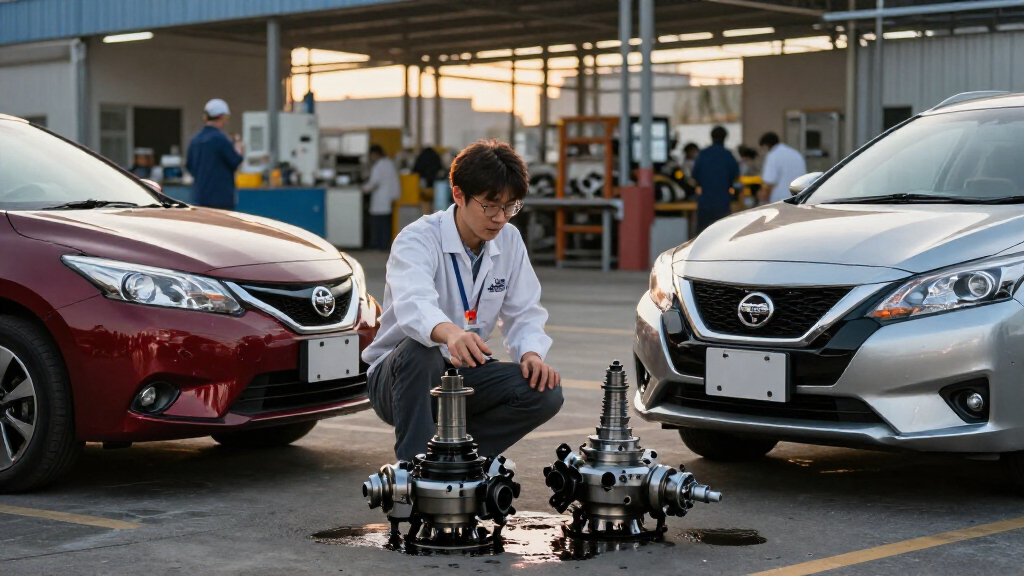
A brief from IdeaNavigator AI points to a development described as Toyota, Nissan and Honda standardizing parts to lower costs. The material provides no automaker announcements, specific parts, timeline or savings figures, so the plan’s details and status cannot be independently established from the information provided.
Toyota, Nissan and Honda are described in a recent automotive-industry signal as planning to standardize parts to lower costs, but the available details do not identify which components are involved, when changes could begin or how much might be saved. The item was highlighted by IdeaNavigator AI as potentially relevant to independent dealerships and repair shops, rather than accompanied by a direct statement from any of the three automakers.
The development is presented as a possible move by the three Japanese automakers to align parts and reduce costs. The brief does not specify whether standardization would cover components shared across the brands, parts used across multiple models within each company, or a narrower set of items. It also provides no description of an agreement, joint program or purchasing arrangement.
For independent businesses, the practical effects would depend on what changes and how automakers implement them. Common parts could, in principle, affect availability, ordering, inventory or repair procedures. Those are possible implications, not confirmed outcomes: no details are supplied about parts catalogs, supplier arrangements, dealer access, pricing, warranties or service documentation.
IdeaNavigator AI framed the item as an example of an industry development that a focused monitoring service might turn into a short brief for dealership and shop owners. Its material says the intended audience is an independent dealership owner or sales lead, and proposes tracking vehicle launches, recalls and regulation alongside industry news. It does not present the parts plan as a verified announcement or provide supporting statements from Toyota, Nissan or Honda.
Toyota, Nissan and Honda parts standardization
A brief describes a possible effort to standardize parts and lower costs. The automakers have not confirmed the plan in the information provided.
What the report says
The idea is flagged as an industry signal for dealerships and repair shops.
Lower costs
Standardizing parts is presented as a way to reduce costs, but no savings estimate is provided.
Not specified
No parts, vehicle lines, supplier arrangements or shared program are identified.
What remains unknown
The brief provides no direct statements from Toyota, Nissan or Honda.
- Whether the companies have agreed or are in discussions
- Which parts or markets could be covered
- Announcement or implementation date
- Cost baseline, projected savings or operational guidance
Why shops should monitor it
Common parts could affect sourcing and inventory if they are available to independent businesses.
Check official automaker communications for the parts, scope and schedule.
Confirm any parts or ordering changes with distributors before adjusting stock or service plans.
How to read the signal
The brief reports a Hacker News signal score, but gives no scoring method, comparison baseline or time window.
Potential Effects on Shop Operations
If the automakers do adopt common parts, the consequences for independent repair businesses would depend on whether those parts are actually available to them and whether they fit vehicles already in service. A change that simplifies sourcing could matter to shops managing inventory across several makes, while a change limited to future vehicles might have little immediate effect on day-to-day repairs. Neither scenario is established by the information available.
The issue may also matter to independent dealerships weighing stock, service capacity and customer questions. Owners could need to distinguish a confirmed product or parts change from an early industry report before changing purchasing decisions. At present, there are no reported prices, savings estimates or operational instructions to act on. The immediate value of the signal is that it points readers toward questions to verify, not that it provides enough evidence to support a change in business practice.
Popular right now

KitchenAid Classic Series 4.5-Quart Tilt-Head Stand Mixer, Onyx Black

Dyson V8 Cordless Vacuum

Vitamix 5200 Blender with 64 oz. Container, Black
As an affiliate, we earn on qualifying purchases.
How the Signal Was Presented
The information comes from an IdeaNavigator AI brief about an automotive retail signal monitor. The brief treats the parts-standardization item as an example of news that could be surfaced for independent dealership and repair-shop decision-makers. Its proposed service would scan feeds for launches, recalls and regulation, then summarize what changed, why it might matter and what a business could do.
The brief reports that Hacker News surfaced the topic with a signal score of 88 out of 100. That number is presented as a monitoring signal; the scoring method, comparison baseline and time window are not supplied. It should not be read as a measure of industry agreement, the likelihood the plan will happen or the size of any cost reduction.
IdeaNavigator AI also proposes testing the monitoring service by delivering the brief and two other automotive items to five independent dealership owners or sales leads, then checking whether a recipient changes a decision or shares an item with a colleague. This is a suggested validation exercise, not evidence that the service has already been tested or that businesses have acted on the parts report.
Details Still Missing From the Report
No direct comments from Toyota, Nissan or Honda are included. The information does not establish whether the three companies have confirmed a shared plan, whether discussions are underway, or whether the wording refers to a broader industry trend rather than a formal initiative. There is also no announcement date, named executive, supplier, affected vehicle line or documented agreement.
The scope and business case remain unknown. The material gives no list of parts, production schedule, regional coverage, cost baseline or projected savings. It does not say whether any common components would be interchangeable, whether parts would retain brand-specific specifications, or how changes might affect repair access and vehicle servicing. Until those points are confirmed by the automakers or detailed reporting, claims about lower prices, improved availability or easier repairs should be treated as possibilities rather than established results.
Watch for Automaker Confirmation
The next useful development would be a statement or documentation from Toyota, Nissan or Honda identifying the parts under consideration, the program’s scope and any implementation schedule. Supplier notices, parts catalogs and dealer or repair guidance could also clarify whether the proposal affects existing vehicles, future models or particular markets. No such next announcement or date is specified in the available brief.
For independent businesses, a measured response is to monitor official company communications and verify any parts or ordering changes with distributors before revising inventory or service plans. IdeaNavigator AI proposes testing whether role-specific alerts influence decisions among a small group of dealership owners and sales leads; that proposal remains a planned validation step, not a completed result. Further reporting is needed to establish both the status of the automakers’ plan and its practical effect.
Source: IdeaNavigator AI
Key Questions
Have Toyota, Nissan and Honda confirmed a parts-standardization plan?
The available brief describes the companies as planning to standardize parts, but it includes no direct announcement or statement from the automakers. Their confirmation and the status of any discussions remain unclear.
Which parts would be standardized?
No components, vehicle models or parts categories are identified. The report does not establish whether the effort would cover parts shared among the three brands or another form of standardization.
How much money could the plan save?
No savings estimate, price change or cost baseline is provided. The stated aim is to lower costs, but the size and distribution of any savings are not known.
Should independent repair shops change their inventory now?
The available information does not include parts lists, ordering guidance or an implementation date. Shops would need confirmation from automakers or distributors before making inventory decisions based on the report.
Source: IdeaNavigator AI