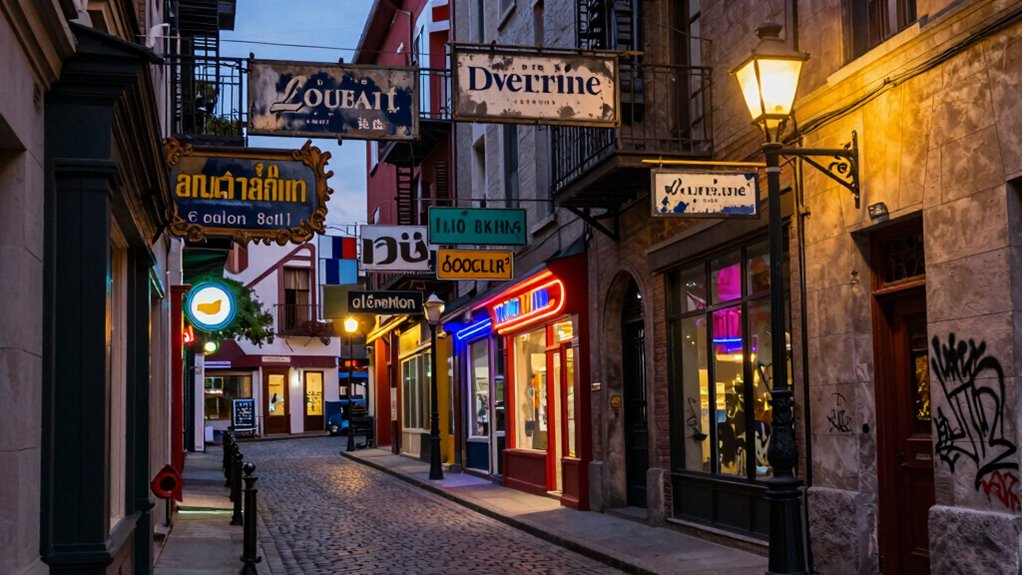

You might notice that some city streets have strange or humorous names, and it’s often because of historical, cultural, and neighborhood influences blending over time. Streets were originally named after landmarks, leaders, or functional descriptions, but as communities grew and changed, names stayed or evolved unexpectedly. Local customs, folklore, and immigrant stories also shaped odd names. To see how these quirky names became part of a city’s identity, keep exploring the fascinating history behind them.

Get movie nights delivered free with Prime
- Fast, free delivery on millions of items
- Prime Video, Amazon Music and more included
- Member-only deals all year
Key Takeaways
- Historical naming conventions often persisted long after their original significance, leading to outdated or confusing names.
- Cultural influences from diverse communities introduced unique, whimsical, or symbolic street names.
- Urban development and neighborhood changes prompted creative or humorous renaming practices.
- Traditions and legacy preserved names tied to history, politics, or landmarks, regardless of current relevance.
- Local humor, folklore, and storytelling inspired playful or eccentric street names that seem strange today.
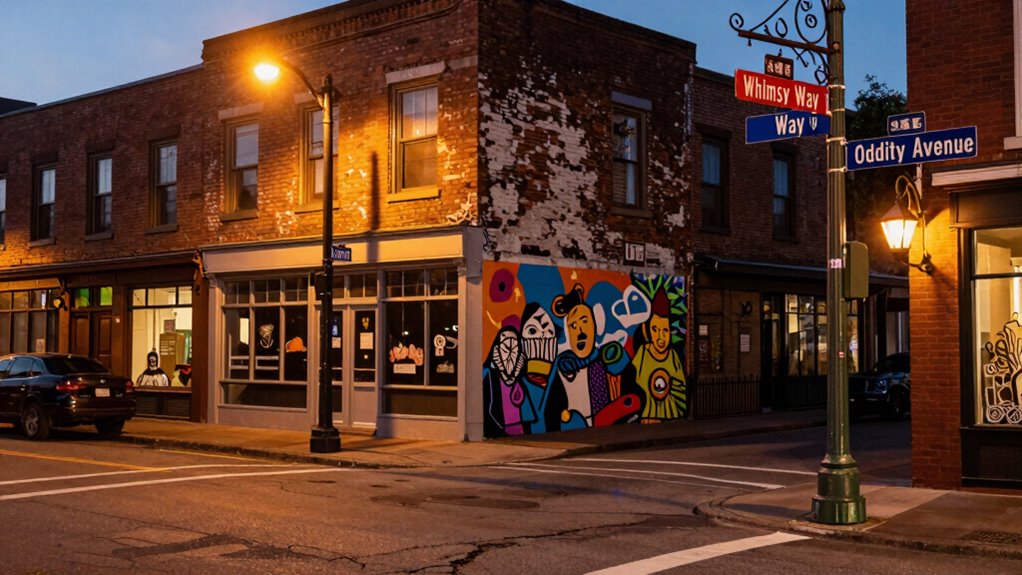
Have you ever wondered why some city streets have names that seem completely bizarre or out of place? The answer often lies in the complex history behind urban naming conventions. Historical naming conventions, for example, played a significant role in shaping street names that stuck over the years. In many cities, streets were initially named for prominent figures, local landmarks, or functional descriptions. Over time, those names became part of the city’s identity, even if they no longer made sense to newcomers. Sometimes, streets were named after political leaders or historical events, and these names persisted long after the original significance faded. This can lead to street names that seem odd or disconnected from the current landscape, but they’re rooted in the city’s past. These naming traditions often reflect the historical context in which they were created, helping us understand the city’s evolution over time. Additionally, some cities adopted unique naming practices, such as using numerical or alphabetical sequences, which can also seem strange to those unfamiliar with the local history.
Many street names reflect history, politics, or local landmarks that have lost their original meaning over time.
Cultural influences also heavily impact how streets are named. Different communities bring their own traditions, languages, and stories into the mix, which can produce some truly unusual street names. Immigrants, for instance, often named streets after places from their homelands or important cultural symbols, creating a patchwork of names that reflect diverse origins. In some cases, local customs or folklore influenced naming practices, resulting in streets with names that seem strange or whimsical to outsiders. Certain cities even have a history of naming streets after mythological figures, animals, or abstract concepts, adding to the eccentricity. These cultural influences enrich the city’s character but can also make navigation confusing if you’re unfamiliar with their origins. Furthermore, some cities have employed advanced filtration systems in their planning processes to retain historical names while accommodating new developments, ensuring that the city’s layered history remains visible. Additionally, the influence of popular trends or humor has led to inventive or playful street names that stand out from conventional naming practices.
Furthermore, neighborhood development and urban planning decisions contribute to the strange names. When new areas are annexed or subdivided, developers or local officials sometimes opt for creative or humorous names to attract residents or to honor local history. Sometimes, street names are changed to commemorate community heroes or events, leading to a mix of old and new names that might seem inconsistent or confusing. The influence of local language, slang, or humor can also produce street names that sound bizarre to outsiders but hold specific meaning for residents. In some cases, these naming choices were strategic, aiming to foster a sense of community or identity within the neighborhood. Moreover, the influence of local storytelling and folklore can inspire names that are meaningful to residents but perplexing to outsiders, further adding to the city’s eclectic street map.
In essence, the strange street names you encounter are a tapestry woven from historical conventions, cultural influences, and local stories. Each name carries a piece of history or tradition, even if it doesn’t immediately make sense. So next time you’re puzzled by a street name, remember: it’s not just randomness. It’s a reflection of a city’s past, its people, and their stories, captured in a name that has endured through the ages.
As an affiliate, we earn on qualifying purchases.
Frequently Asked Questions
How Do Cities Decide on New Street Names Today?
Today, cities decide on new street names by balancing historical naming conventions and cultural influences. You’ll find officials often consult community members, historical societies, and city planners to choose names that honor local heritage or reflect current diversity. They consider whether the name respects traditions or celebrates cultural shifts, ensuring the naming process honors the past while embracing modern influences. This approach keeps street names meaningful and relevant to residents.
Are There Laws Regulating Street Name Changes?
Yes, there are laws regulating street name changes. You’ll find that many cities have policies to address historical naming controversies and guarantee respectful recognition of cultural influences on street names. These laws typically require public notice, community input, and approval from local authorities. Such regulations help prevent arbitrary changes, preserve historical significance, and reflect the diverse cultural influences that shape a city’s identity.
What Are Common Reasons for Renaming Streets?
You might notice street names change due to historical naming controversies or cultural influences. Cities often rename streets to honor new leaders, reflect evolving community values, or address historical sensitivities. Sometimes, renaming aims to correct past injustices or remove controversial symbols. These decisions help communities better represent their identity and history, though they can also spark debates about preserving heritage versus embracing progress.
How Do Residents Influence Street Naming Decisions?
You can influence street naming decisions by actively engaging with local cultural influences and advocating for historical commemoration. Picture neighborhood meetings where voices echo like footsteps on cobblestones, shaping the city’s identity. When residents share stories and passions, they leave a lasting mark, ensuring streets honor traditions and history. Your participation transforms silent streets into vibrant corridors of community pride, making the city reflect who you are and what you cherish.
Have Street Names Ever Caused Legal Disputes?
Yes, street names have caused legal disputes, often rooted in historical naming controversies or disagreements over cultural significance. You might find conflicts when communities challenge names linked to controversial figures or past events. These disputes sometimes lead to official name changes or legal battles, highlighting the importance of street names in reflecting local history and values. Such conflicts underscore how deeply street names connect to cultural identity and collective memory.
urban navigation map with quirky street names
As an affiliate, we earn on qualifying purchases.
As an affiliate, we earn on qualifying purchases.
Conclusion
So, next time you wander through a city’s maze of odd street names, remember they’re like stories etched into the pavement, each with its own history and quirks. These names transform ordinary streets into vibrant tapestries of culture, memory, and chaos—like a puzzle awaiting your discovery. Embrace the strange, for in their weirdness lies the colorful heartbeat of a city’s soul, whispering secrets only the curious can hear.
As an affiliate, we earn on qualifying purchases.
historical city street sign prints
As an affiliate, we earn on qualifying purchases.
As an affiliate, we earn on qualifying purchases.
Halloween Picks
halloween
As an affiliate, we earn on qualifying purchases.