
Use this guide to start a pop culture collectibles collection with a clear focus, a spending limit, and a reliable way to check items before you buy. It is for beginners collecting figures, comics, cards, props, posters, or other licensed memorabilia. Planning takes about 30–60 minutes; researching and buying a first item usually takes another 1–3 hours.

Get movie nights delivered free with Prime
- Fast, free delivery on millions of items
- Prime Video, Amazon Music and more included
- Member-only deals all year

Funko Pop! Rocks Michael Jackson Thriller Vinyl Figure
- ✔ Character: Michael Jackson
- ✔ Collection: Funko Pop! Rocks
- ✔ Theme: Thriller

Funko Pop! Movies Ghostface Vinyl Figure
- ✔ Character: Ghostface
- ✔ Collection: Funko Pop! Movies
- ✔ Franchise: Scream
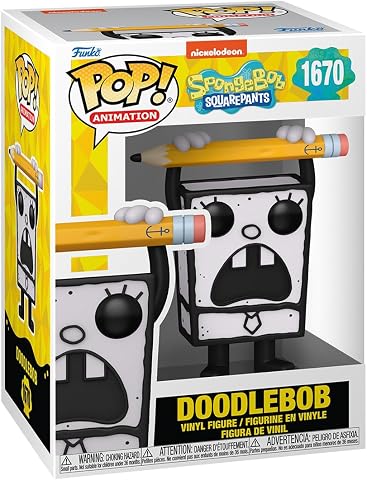
Funko Pop! TV: SpongeBob SquarePants 25th Anniversary DoodleBob Vinyl Figure
- ✔ Character: DoodleBob
- ✔ Franchise: SpongeBob SquarePants
- ✔ Collection: Funko Pop! TV
Difficulty: Beginner | Time: 2–4 hours to plan and make a first purchase
What You’ll Need
Tools & Materials:
- Phone or computer with internet access
- Notes app or spreadsheet for tracking items and spending
- Ruler or measuring tape if you need to check an item’s size
- Protective storage suited to your item, such as a comic sleeve, card holder, or display case
Knowledge:
- Basic familiarity with the franchise or character you want to collect
- Ability to compare prices and read seller descriptions
Set your budget before browsing. Include shipping, taxes, display supplies, and any import or marketplace fees. Collectibles can be reproductions, altered, damaged, or sold with misleading descriptions, so treat seller claims as claims until you can verify them.
Funko Pop! Rocks Michael Jackson Thriller Vinyl Figure
For a single pick that can make sense across both music memorabilia and character collectibles, we put the Michael Jackson Thriller figure first. Its theme points to a distinct era and performance identity, giving it a clear purpose on a music shelf or desk. Ghostface is more tightly aimed at horror fans, while DoodleBob serves a particular SpongeBob moment; this figure has a different kind of crossover appeal for buyers whose display mixes artists, entertainment, and recognizable pop culture imagery.At approximately 3.75 inches tall, it is easy to place in a smaller display case or on a desk, but the compact scale also means we should not expect the presence or fine detail of a larger statue. The supplied description identifies durable vinyl and a display-oriented design, without specifying articulation or extra accessories. That keeps the choice straightforward: it is strongest when the Thriller connection is what you want to see, and less compelling if you are building a character-specific TV or horror shelf.
Pros:
- Thriller theme gives the figure a specific music-era identity
- Approximately 3.75-inch height fits desks and display cases
- Vinyl construction is suited to a display collectible
- Works for Michael Jackson and Funko Pop! Rocks collections
Cons:
- Compact figure may have limited detail
- Primarily intended for display rather than active play
Best for: Collectors building a music-themed display or fans who want a compact Michael Jackson figure with a specific Thriller-era identity.
Not ideal for: Buyers looking for a large, highly detailed centerpiece, an articulated figure, or a character from a horror or animated TV collection.
Bottom line: We rank it first for its distinctive Thriller-era theme and versatile place in a music collection, while its small display scale remains a clear limitation.
“We rank it first for its distinctive Thriller-era theme and versatile place in a music collection, while its small display scale remains a clear limitation.”
Funko Pop! Movies Ghostface Vinyl Figure
Ghostface is the focused pick for fans who want a Scream reference on a horror shelf. Its appeal comes from the character’s direct connection to the film collection, rather than the music-era recognition of Michael Jackson or the cartoon nostalgia of DoodleBob. If your display already brings together horror films, this option has the clearest collection fit of the three; outside that context, the theme is more niche.The listed height is approximately 3.85 inches, a little taller than the two figures listed at 3.75 inches, though all remain compact vinyl collectibles. A textured finish is specified, but the product details do not describe how much of that texture is visible at display distance. As with the other small figures here, limited detail is a stated tradeoff, so we would skip it if scale and intricate sculpting matter more than adding Ghostface to a themed collection.
Pros:
- Directly represents Ghostface for Scream collections
- Compact size is suitable for desk and shelf displays
- Textured vinyl finish is specified
- Vinyl construction suits a display-focused collectible
Cons:
- Small scale may limit visible detail
- Its horror-specific character may be less relevant to mixed-franchise collections
Best for: Scream fans and horror collectors looking for a small Ghostface addition to a shelf, desk, or display case.
Not ideal for: Collectors seeking a large horror statue, extensive visible detail, or a broadly themed music or animation collectible.
Bottom line: We recommend Ghostface when a horror shelf needs a compact Scream character, but its focused theme and small format narrow its appeal.
“We recommend Ghostface when a horror shelf needs a compact Scream character, but its focused theme and small format narrow its appeal.”
Funko Pop! TV: SpongeBob SquarePants 25th Anniversary DoodleBob Vinyl Figure
DoodleBob gives SpongeBob SquarePants collectors a character tied to the franchise’s 25th anniversary, making it the most specific animation pick in this lineup. It suits a fan display built around the series better than Ghostface, whose identity belongs to horror, or Michael Jackson, whose appeal centers on music. That makes the choice easy if DoodleBob is the character your shelf is missing, but less persuasive as a general-purpose collectible for a buyer without a SpongeBob connection.Its approximately 3.75-inch height and vinyl construction match the compact display role shared by the other two figures. The supplied details do not give dimensions beyond height or describe a special finish, so we would not assume it has a larger or more detailed presentation than its peers. That is useful to know if the anniversary label is the main draw: this is a small character figure, not a large anniversary display piece. Choose it for franchise relevance rather than scale.
Pros:
- Adds DoodleBob to a SpongeBob SquarePants collection
- 25th Anniversary theme gives it a specific franchise context
- Approximately 3.75-inch size fits smaller display spaces
- Vinyl construction is intended for display
Cons:
- Small format may not suit collectors seeking a larger figure
- The specific SpongeBob character focus may not fit other themed displays
Best for: SpongeBob SquarePants fans who want DoodleBob represented in a compact TV and animation collectibles display.
Not ideal for: Buyers who do not collect SpongeBob, or those who want a larger figure with more display presence and detail.
Bottom line: We would choose DoodleBob for a SpongeBob anniversary display, while its compact size and narrow franchise fit make it a specialized pick.
“We would choose DoodleBob for a SpongeBob anniversary display, while its compact size and narrow franchise fit make it a specialized pick.”
As an Amazon Associate we earn from qualifying purchases.
Before You Start
Decide whether you are collecting mainly for enjoyment, display, or resale. Your reason affects what matters: a display piece may need to look good on a shelf, while a sealed item may need undamaged packaging and documented authenticity. Avoid spending money you need for essentials, and do not assume an item will increase in value. For expensive or signed pieces, research the specific item and its authentication process before making an offer.
Step-by-Step Instructions
Step 1: Choose a specific collecting focus
Write down one franchise, character, item type, or time period to begin with. Make the focus narrow enough to guide a purchase, such as “licensed figures from the original series” or “first-edition paperback covers.” Add a short list of items you would be happy to own, including acceptable versions or conditions.
Tip:A focused collection is easier to research and budget for than buying whatever catches your eye. You can widen the scope after you learn the market.
Check: You can describe your collection in one sentence and name at least three items that fit it.
Step 2: Set a purchase and collection budget
Choose a total amount you can spend over a set period, then set a maximum for one item. Record the full landed cost for each possible purchase: listed price, shipping, taxes, platform fees, and protective storage. Leave room for price changes and do not raise your limit during a bidding rush.
Tip:Use a separate category in your budget for supplies and repairs. A low-priced item can cost more than expected if it needs professional cleaning, framing, or authentication.
Check: Your notes show a total limit, a per-item cap, and the extra costs you will count before buying.
Step 3: Learn how the specific item is identified
Search for the item’s official name, maker, release year, edition, and identifying marks. Compare manufacturer pages, collector references, completed sales, and clear photographs of known examples. Note details that separate versions, such as a package variant, print run, serial number, label, signature placement, or accessory set.
Tip:Use completed sales to understand recent transaction prices. Asking prices show what sellers hope to receive, not what buyers have paid.
Check: You have a short reference note describing the version you want and the details that distinguish it from similar items.
Step 4: Compare condition and recent prices
Review several examples of the same version and compare their condition, completeness, packaging, and sale price. Decide what flaws you can accept before contacting a seller. For a boxed figure, inspect the box and included parts; for a comic or card, check edges, corners, surface, creases, and any grading label; for a poster, check folds, stains, trimming, and paper damage.
Tip:Condition terms are not always used consistently. Ask for close-up photographs of any mark that could affect your decision, and compare the actual images rather than relying on words such as “mint.”
Check: You know the typical price range for the version and condition you want, and you have written down your maximum offer.
Step 5: Check the seller and listing
Read the full listing, including shipping terms, return policy, item location, and whether the seller describes the piece as authentic, a reproduction, or unverified. Check the seller’s history and feedback, and look for clear photos of the actual item from multiple angles. Ask for missing details, proof of provenance, or additional photographs before paying.
Tip:Be cautious if the seller uses only stock images, avoids direct questions, pressures you to pay outside the platform, or offers a price far below comparable sales. Keep payment and messages on a marketplace with buyer protections.
Check: You can identify the exact item being sold, understand the return terms, and find enough evidence to judge the seller and condition.
Step 6: Buy within your limit and save the records
Confirm the final price, shipping method, delivery estimate, and return terms, then complete the purchase through the platform’s protected payment process. Save the listing, receipt, seller messages, and any authentication documents. Add the item and total cost to your collection record as soon as the order is placed.
Tip:For auctions, set your maximum bid in advance and stop when it is reached. If the seller changes the payment method or terms after you agree, pause and verify the change through the platform.
Check: You have an order confirmation and a record of what was promised, what you paid, and when the item should arrive.
Step 7: Inspect the item when it arrives
Photograph the unopened package if it is visibly damaged, then open it carefully and compare the contents with the listing. Check the identifying details, condition, accessories, packaging, and any certificate or serial number. Report damage or a mismatch through the seller or platform within its stated deadline; keep the packaging until the issue is resolved.
Tip:Do not clean, repair, or discard packaging before documenting a problem. Altering an item can complicate a return or condition dispute.
Check: The delivered item matches the listing, or you have filed a timely report with photos and supporting records.
Step 8: Store or display the collectible safely
Choose storage based on the item’s material and condition. Keep paper collectibles away from sunlight, moisture, food, and smoke; use archival sleeves or suitable holders. Keep figures and props stable, away from heat and direct sun, and retain small accessories in labeled containers. Support framed pieces securely and use a display case when dust or accidental contact is a concern.
Tip:Do not place valuable items in damp basements, hot vehicles, or windows where sunlight can fade colors. Follow the maker’s care instructions for materials such as vinyl, resin, or fabric.
Check: The item is protected from its main risks, remains accessible for inspection, and has a labeled place in your collection.
Step 9: Track the collection and review your focus
Record the item’s name, version, purchase date, total cost, condition, seller, and storage location. Add photographs and authentication details where relevant. After a few purchases, review what you enjoy collecting and whether your spending matches your original plan; update your focus or budget deliberately.
Tip:Keep receipts and provenance with the item’s record, not loose in a box. A simple spreadsheet is enough for a small collection.
Check: You can quickly tell what you own, what you paid, where it is stored, and what you still want to find.
Common Mistakes to Avoid
- Buying an item because it looks rare or is described as an investment. — Research the exact version and recent completed sales, and buy only if you would still value owning it without future price growth.
- Assuming a high grade, signature, or certificate proves authenticity. — Check who issued the grade or certificate, whether its number can be verified, and whether the item’s details match reliable references.
- Spending the full budget on the listed price. — Calculate shipping, taxes, fees, storage, and possible import charges before making an offer.
- Storing items in direct sunlight or an unstable environment. — Use a cool, dry location away from sunlight and heat, and choose sleeves, holders, or cases suited to the item.
Troubleshooting
Problem: The item costs more than comparable examples.
Solution: Check that the edition, completeness, condition, and provenance truly differ. If the premium is not supported by evidence or exceeds your limit, wait for another listing.
Problem: The seller will not provide more photos or answer authenticity questions.
Solution: Do not buy until you can verify the item to your satisfaction. Look for another seller with clear photographs, a return policy, and a verifiable history.
Problem: The delivered item is damaged or differs from the listing.
Solution: Photograph the item and packaging, preserve all packing materials, and open a case through the marketplace before its deadline. Include the listing and order details.
Problem: You cannot identify which variant you have found.
Solution: Compare labels, marks, dimensions, accessories, and packaging against a specialist reference or reputable collector resource. Ask for a second opinion before paying a variant premium.
What Success Looks Like
Your collection has a defined focus and spending limit. Each purchase matches a researched version, comes from a seller and listing you checked, and has a saved receipt and condition record. Items are stored or displayed in ways that reduce damage, and you can explain why each piece belongs in the collection.
Next Steps
Update your inventory whenever you buy, sell, or move an item. Review storage after seasonal changes in heat or humidity, and check that stands, frames, and cases remain stable. Before buying another piece, compare its full cost with your budget and confirm that it fits your collecting focus. For high-value signed or supposedly unique items, seek authentication from a recognized specialist before resale or insurance appraisal.
Frequently Asked Questions
How do I tell whether a pop culture collectible is authentic?
Identify the exact edition, then compare its marks, materials, packaging, and accessories with reliable references or manufacturer details. For signed or high-value items, verify the authenticator or provenance directly and use a recognized specialist when needed.
Should I keep the original packaging?
Keep it if packaging is part of the item’s appeal, affects its market value, or protects the collectible. Store boxes flat or in a clean, dry place where they will not be crushed, and avoid tape or labels that could damage them.
How much should I spend on my first collectible?
Set a limit that fits your available discretionary budget and includes shipping, taxes, fees, and storage. A modest first purchase gives you a chance to learn how listings, condition, and delivery work before considering a more expensive piece.
Are pop culture collectibles a reliable investment?
No collectible has a guaranteed resale value. Demand can change, and selling costs, condition, authenticity, and buyer interest affect what you may recover. Choose items you enjoy owning and treat possible resale value as uncertain.
Columbus Day / Indigenous Peoples' Day Picks
long weekend sales
As an affiliate, we earn on qualifying purchases.