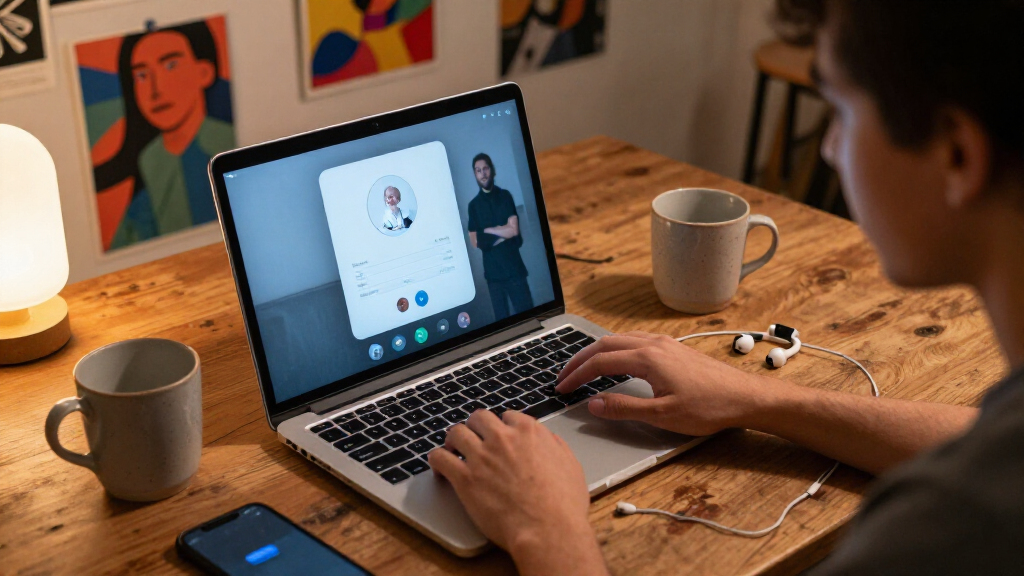

🔍 Read the full analysis: What To Decide Before Adding Claude Meetings To Google Meet on ThorstenMeyerAI.com

Get movie nights delivered free with Prime
- Fast, free delivery on millions of items
- Prime Video, Amazon Music and more included
- Member-only deals all year
TL;DR
Anthropic announced Claude Meetings on November 12, 2026, a beta that joins Google Meet calls to transcribe, answer questions and create documents or whiteboards. Before enabling it, organizations need to review plan-specific defaults, external guest handling, participant consent, connected-tool permissions and unresolved retention and pricing details.
Anthropic announced Claude Meetings on November 12, opening a beta that lets eligible Team and Enterprise customers add Claude as a participant in Google Meet calls. The assistant can create transcripts and summaries, answer questions in the meeting chat and build documents or whiteboards live, making organization settings, guest access and participant consent decisions central to any rollout.
According to Anthropic’s announcement and Help Center, Claude Meetings is available in Claude and Claude Desktop for Team and Enterprise plans. Google Meet is the only supported video platform at launch; Anthropic says support for other platforms is coming, but has not given a date. Some organizations cannot use the beta, including those with zero data retention, HIPAA-ready configurations or customer-managed encryption keys.
Claude joins when a participant adds it or has enabled personal auto-join. An owner must first enable Google Calendar for the organization, after which a user can select a meeting and add Claude. Anthropic says owners cannot set auto-join for individual users. Claude usually enters without asking; if it requests access, the host can admit or decline it. If declined, it will not try to join that call again unless someone adds it.
During a call, users can address Claude aloud or type a request in Meet chat. By default, it replies in writing in the chat, where everyone on the call can see its posts. It can also create artifacts, such as a document or whiteboard, attached to a meeting page. That page holds the transcript, notes, summary, action items and materials Claude made. Anthropic says the system keeps transcripts, summaries and screen descriptions, not audio.
Claude Meetings · beta since Nov 12, 2026
What happens when Claude joins your call
One video call with Claude as a participant, in six steps: how it gets in, what it hears, what it makes, and where the results go, as Anthropic describes it.
The call (schematic)
Step by step
- AddedSomeone adds Claude from the calendar, or has auto-join on. It joins as a visible participant and posts a notice in the chat.
- ListensIt follows the call and keeps a live transcript on a meeting page. It saves text, not audio.
- Builds“Claude, make a doc”: docs, whiteboards and slides appear on the meeting page. Answers go to the Meet chat, visible to everyone.
- ActsConnected tools, like a Slack message, only with each person’s permission. A yes applies going forward.
- GuestsIf outside guests are not allowed, Claude leaves when one joins. If allowed, it takes notes but does not reply in chat.
- AfterNotes, summary, action items, transcript. Colleagues on the invite get a recap email; guests do not. Stays up to 8 hours.
Source: Anthropic, “Introducing Claude Meetings” (Nov 12, 2026) and Help Center article “Use Claude Meetings” (retrieved Nov 15, 2026). The call picture is a schematic: tile names and labels are illustrative, not Anthropic’s interface.
Graphic: Powered by Thorsten Meyer AI
Guest Access Changes the Risk
The key operational choice is whether Claude may join meetings with people outside the organization. Anthropic’s defaults differ by plan: Team allows outside guests by default, though an owner can turn that off. Enterprise blocks them by default until an owner permits them. If external access is disabled, Claude stays out of meetings with outside invitees and leaves if an external attendee or another company’s note-taking bot joins later.
When external guests are allowed, Anthropic says Claude listens and takes notes but does not reply in the chat. Guests’ contributions still appear in the transcript and notes, though guests do not receive the meeting page or recap email. That distinction matters for calls involving customers, vendors or candidates: people outside the organization can be recorded in written form without receiving access to the resulting record.
Anthropic leaves responsibility for consent with the user, advising them to make sure everyone on the call is okay with being transcribed. The participant tile and chat notice make Claude visible, but visibility is not the same as agreement. Organizations will need to decide how hosts explain its presence, what meetings are excluded, and who can access or share the post-call page.
Connected tools add another permission decision. Claude can use tools linked to a person’s account during a call, including sending a Slack message. Anthropic says it asks for permission the first time and that approval applies going forward; for spoken requests, it asks each time to confirm who is speaking. This means a meeting assistant may act beyond note-taking, depending on the tools and permissions available.
Popular right now

Bose QuietComfort Headphones (2nd Gen), Wireless Over-Ear Noise-Cancelling Headphones, Black

Sony WH-1000XM6 Wireless Noise-Canceling Headphones, Black

KitchenAid Artisan 5-Quart Tilt-Head Stand Mixer, White
As an affiliate, we earn on qualifying purchases.
A Meeting Record Beyond Audio
Anthropic describes the product as more than a transcript service. Its example is a team planning a customer event: a participant asks Claude to draft a plan, and colleagues edit the document while the discussion continues. When someone asks about the previous year’s event costs, Claude requests approval to look up the information and posts its answer in the meeting chat. The notes and created materials remain on the meeting page after the call.
Organization members on the invite receive a recap email and can view the notes and edit Claude’s work. The page can also be shared with others inside the organization, and users can later ask Claude about past meetings they can access. Claude can remain in a call for up to eight hours; users can pause it, tell it to stop listening or leave, or remove it through Meet.
Anthropic said it is working with Gong, Attention, Granola, Fireflies.ai, Otter and Plaud so users can send meeting transcripts to those services. The company has not announced when that option will be available. The beta follows an earlier November 11 mention of Meetings alongside Claude Sheets and Whiteboards, when Anthropic said the product was coming.
““It takes the notes, answers questions, and builds artifacts, such as docs, whiteboards, and slides, live during the call.””
— Anthropic Help Center, “Use Claude Meetings”
Retention and Pricing Remain Open
Anthropic’s published Meetings information does not specify how long meeting records are retained, including transcripts and screen descriptions, or what controls users and administrators have over deletion. The company says it does not keep audio, but that does not answer how long the written records and artifacts remain available.
Docs and whiteboards created during meetings are free through February 10, 2027. Anthropic has not stated their price after that date. Notes, transcripts and answers are included in Team and Enterprise plans, while use of connected tools counts toward usage. The available material does not give further usage limits or post-promotion artifact pricing.
Other open points include when platforms beyond Google Meet will be supported and when transcript exports to Anthropic’s named partner services will arrive. The Help Center also describes an individual external-guest setting, but the details provided do not fully explain how that setting interacts with organization-wide defaults. Those details may change during the beta.
Review Settings Before Rollout
Before enabling Claude Meetings, administrators and meeting hosts can review the organization’s plan defaults, decide whether external guests are permitted, and set rules for which calls may use the assistant. Teams should also check the organization’s eligibility, confirm who can access meeting pages and establish how hosts will tell participants that transcription is taking place.
Users can add Claude to selected meetings rather than enabling auto-join, and can pause or remove it during a call. Anthropic has not announced a schedule for broader platform support, transcript integrations or pricing after February 10, 2027. Those are the next product details organizations will need before deciding how widely to adopt the beta.
Key Questions
Who can use Claude Meetings?
The beta is for Anthropic Team and Enterprise customers in Claude and Claude Desktop. It currently supports Google Meet. Some organizations, including those with zero data retention, HIPAA-ready configurations or customer-managed encryption keys, are not eligible during the beta.
Does Claude Meetings record audio?
Anthropic says Claude Meetings keeps a transcript, summary and screen descriptions, not audio. Its guidance puts responsibility on the user to make sure call participants agree to being transcribed.
Can Claude join a meeting with outside guests?
By default, Team plans allow outside guests, while Enterprise plans require an owner to allow them. If external access is enabled, guests’ remarks are included in the notes and transcript, but guests do not receive the meeting page or recap email.
What does Claude Meetings cost?
Anthropic says notes, transcripts and answers are included in Team and Enterprise plans. Documents and whiteboards made during meetings are free through February 10, 2027; pricing after that date has not been published. Connected-tool use counts toward usage.
Can users stop Claude during a call?
Yes. Users can ask Claude to stop listening, pause it on the meeting page, ask it to leave or select “Remove Claude” in Meet. Anthropic says it can stay for up to eight hours and warns before leaving.
Source: ThorstenMeyerAI.com