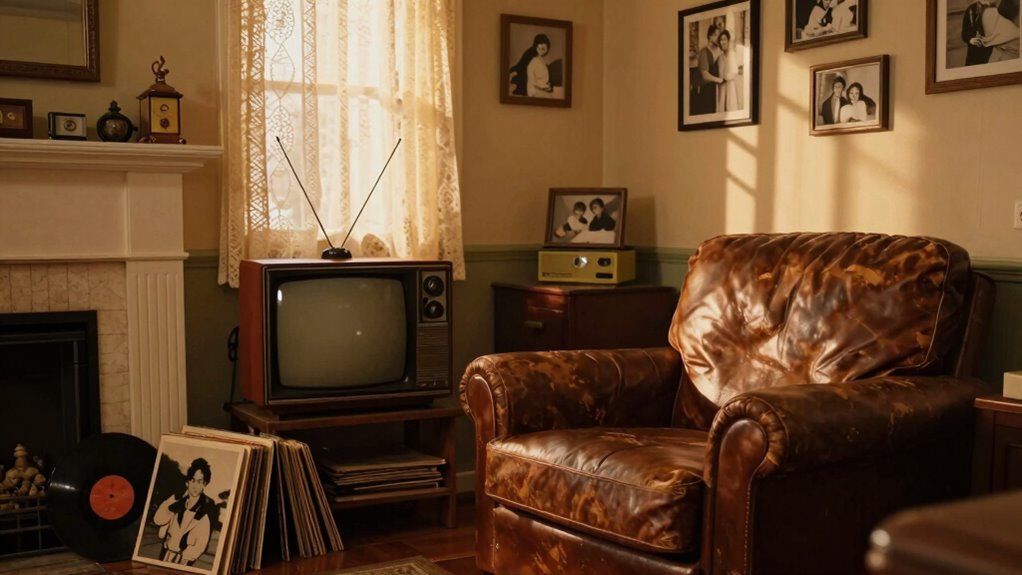

Nostalgia keeps winning in movies and TV because it connects deeply with your emotions, offering comfort, familiarity, and joy. It taps into your past experiences and memories, making stories feel both nostalgic and fresh at the same time. By incorporating vintage styles, music, and cultural symbols, creators make you feel a sense of belonging and longing. Keep exploring how these timeless elements shape your entertainment experience and why they continue to resonate today.

Get movie nights delivered free with Prime
- Fast, free delivery on millions of items
- Prime Video, Amazon Music and more included
- Member-only deals all year
Key Takeaways
- Nostalgia creates emotional connections, making audiences feel comforted and engaged with familiar stories and symbols.
- It taps into personal memories, triggering emotional recall and long-term viewer loyalty.
- Incorporating vintage aesthetics and cultural motifs enhances authenticity and immersive storytelling.
- Nostalgia fosters community and shared cultural experiences, strengthening audience bonds.
- As a sustainable trend, it encourages reboots and classic returns, maintaining long-term viewer interest.
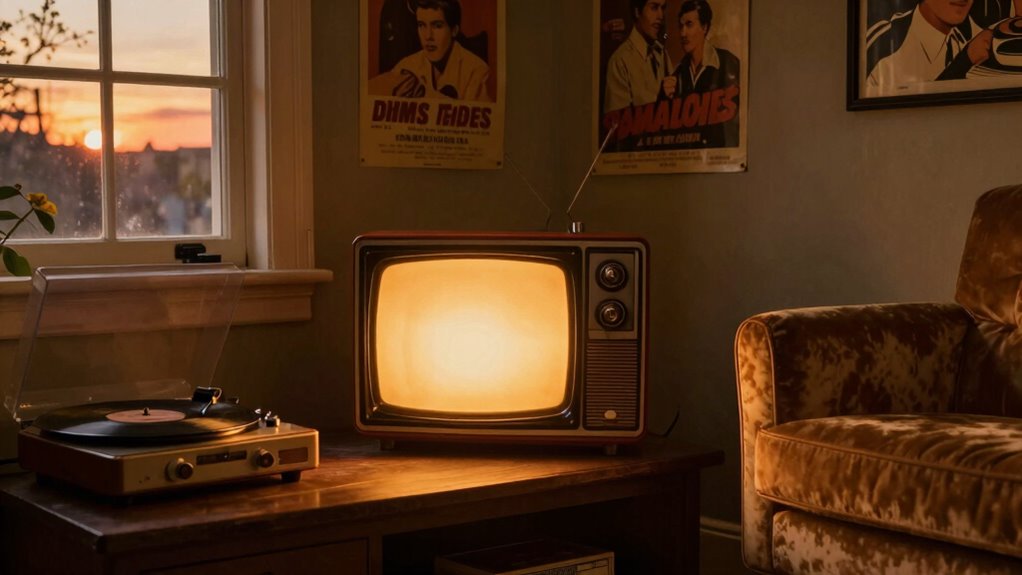
Have you ever wondered why certain movies and TV shows instantly transport you back to a specific time or place? It’s because nostalgia taps into something deeply personal—your memories, feelings, and past experiences. These stories evoke a sense of familiarity that’s hard to resist, especially when they’re crafted with a keen sense of retro revival. Filmmakers and TV creators know this instinctively, leveraging nostalgia as a powerful tool to connect with audiences. This is where memory marketing comes into play, shaping content that not only entertains but also triggers emotional recall. By recreating styles, fashion, music, or cultural moments from the past, creators craft a bridge between eras, making you feel like you’re reliving a cherished moment.
This retro revival isn’t just about visual aesthetics; it’s about capturing the essence of a time gone by. When you see a vintage car, hear a classic song, or spot popular slang from decades past, your brain quickly associates these elements with personal memories or collective experiences. It’s a deliberate strategy in entertainment, designed to evoke feelings of comfort, joy, or even longing. The use of familiar cultural symbols can amplify these feelings, creating a more immersive experience for viewers. Interestingly, the deliberate use of visual cues enhances the nostalgic effect by reinforcing the connection to past eras. Additionally, understanding the cultural significance of symbols and motifs helps creators craft more authentic and emotionally resonant content. The beauty of memory marketing lies in its ability to make stories feel both fresh and familiar at the same time. It’s why you might find yourself humming a tune from a nostalgic TV show long after the credits roll or reminiscing about a fashion trend you thought was long gone. Furthermore, landscaping and outdoor design choices can enhance the nostalgic ambiance of a backyard setting, bringing a sense of familiarity and comfort.
In the current landscape, nostalgia isn’t just a fleeting trend; it’s a sustainable approach that keeps audiences engaged. Studios and streaming platforms know that tapping into shared cultural moments creates a sense of community and belonging. They bring back beloved characters, reboot classic franchises, or imitate nostalgic aesthetics that resonate with viewers of all ages. Because these references remind you of your own past, they foster a deeper emotional connection. This isn’t just entertainment; it’s an experience that makes you feel seen and understood. All of this shows how powerful nostalgia is in contemporary media, not just as a marketing tool but as a genuine way to evoke memories and forge lasting bonds between stories and the people who watch them.
As an affiliate, we earn on qualifying purchases.
Frequently Asked Questions
How Does Nostalgia Influence Viewers’ Emotional Responses?
Nostalgia influences your emotional responses by creating a strong sense of emotional resonance, making you feel connected and comforted. When you encounter familiar scenes or themes, memory triggers activate positive associations from your past, evoking feelings of happiness or longing. This emotional pull keeps you engaged and emotionally invested in movies and TV shows, as they tap into your personal history and create a powerful, relatable experience.
Are There Specific Genres That Benefit Most From Nostalgia?
You’ll notice that genres like science fiction, horror, and comedy benefit most from nostalgia because of their potential for retro revival and sentimental storytelling. These genres often tap into viewers’ memories, creating a sense of familiarity that enhances emotional engagement. By reviving classic themes, characters, and visual styles, filmmakers evoke nostalgia, making the stories more compelling and resonant for audiences who cherish those bygone eras.
How Do Creators Balance Nostalgia With Originality?
You blend nostalgia with originality like a skilled painter mixing vibrant colors to create a timeless masterpiece. You weave familiar elements into fresh narratives, ensuring cultural reimagining sparks curiosity without losing heart. By respecting the essence of beloved classics while adding innovative twists, you craft stories that resonate deeply, balancing the warmth of nostalgia with the excitement of new ideas—making your work both comfortingly familiar and boldly innovative.
Does Nostalgia-Driven Content Have a Longer Shelf Life?
Nostalgia-driven content tends to have a longer shelf life because it sparks memory revival and taps into cultural resonance. When you watch familiar stories, you reconnect with past emotions, making the content feel timeless. This emotional attachment encourages repeat viewings and sharing, extending its popularity. As a result, creators find that nostalgic stories not only resonate deeply but also maintain relevance, ensuring they stay appealing for years to come.
Can Nostalgia Negatively Impact Innovation in Media?
Nostalgia can negatively impact innovation in media because it often triggers memory bias, making creators stick to familiar themes and visuals. This reliance on past successes can stifle creativity, as you may fear experimenting with new ideas that might not resonate as strongly. Over time, this cycle limits fresh storytelling, reducing the diversity of content and potentially preventing media from evolving beyond nostalgic references.
As an affiliate, we earn on qualifying purchases.
Conclusion
Nostalgia keeps winning in movies and TV because it offers familiarity, comfort, and a sense of belonging. It invites you to relive cherished moments, escape from reality, and reconnect with your past. It’s a warm embrace, a gentle reminder, a timeless echo that resonates deeply. As you watch, nostalgia becomes a mirror reflecting your memories, a bridge connecting yesterday and today, and a constant reminder that sometimes, the most powerful stories are the ones that feel like coming home.
As an affiliate, we earn on qualifying purchases.
As an affiliate, we earn on qualifying purchases.
Columbus Day / Indigenous Peoples' Day Picks
long weekend sales
As an affiliate, we earn on qualifying purchases.