
📊 Full opportunity report: The SSD Squeeze: Why Storage Joined the Party on ThorstenMeyerAI.com — validation score, market gap, and execution plan.
TL;DR
Storage, especially NAND-based SSDs, is experiencing a significant price increase in 2026 due to supply shortages. The shortage is driven by wafer competition with high-margin HBM memory and booming AI storage needs. This impacts enterprise, consumer, and industrial markets alike.
NAND flash memory prices have surged in 2026, with enterprise SSD contract prices jumping over 50% in a single quarter, and consumer SSDs doubling or tripling in cost. This development marks a significant departure from the last decade, when storage was one of the cheapest components in tech builds. The supply crunch is driven by a combination of wafer competition among memory types and the rapid growth of AI applications that demand enormous storage capacity, making NAND a critical component in AI infrastructure.
Industry sources confirm that the prices for NAND flash memory have increased dramatically in 2026, with contract prices for enterprise SSDs rising by 53–58% early in the year. Major manufacturers like Samsung, SK Hynix, and Micron have scaled back wafer targets, citing strategic prioritization of high-margin products such as HBM and enterprise memory. Micron has acknowledged it can meet only 55–60% of customer demand, and Phison reports its entire NAND production for 2026 is sold out, prioritizing server clients over retail markets.
This supply constraint is compounded by the fact that NAND production lines share fabs with HBM and DRAM, leading to a direct competition for manufacturing capacity. The demand from AI applications is also a key factor: high-end AI GPUs and large inference servers require tens of terabytes of NAND, with some systems demanding over 1,000TB of flash storage. As AI shifts from training to inference, storage needs are accelerating, further straining supply chains.
The SSD squeeze: storage joined the party
Storage was the last cheap thing in computing. Not anymore — a 2TB NVMe that was $120–150 in 2024 now lists at $300–480. And this time flash isn’t only collateral damage: AI eats storage directly.
both ways
Flash got hit twice — once as collateral sharing fabs with HBM, once directly as AI inference turned fast storage into something it consumes by the petabyte. That second force won’t fade; it grows with every model, every RAG pipeline, every cache that must live somewhere fast. Buy what you need now; favor TLC with DRAM cache, don’t overpay for Gen 5, watch for counterfeits. Relief isn’t forecast before late 2027. When the cheapest component in computing has a two-year waitlist, “commodity” no longer fits. Next: The High-End PC & Workstation Tax.
Implications of Rising Storage Costs for the Tech Industry
The surge in NAND prices significantly impacts multiple sectors, from enterprise data centers to consumer electronics. Companies face higher costs for storage hardware, which may lead to increased prices for end-users, delays in product launches, and supply shortages in critical markets like automotive and industrial sectors. The scarcity of NAND also raises questions about market discipline, as dominant players appear to be deliberately limiting capacity expansion to maintain high margins, rather than addressing supply shortages.
Furthermore, the rising costs could accelerate shifts toward alternative storage solutions and influence purchasing strategies, with buyers urged to stockpile now rather than wait, as prices are unlikely to fall soon. The broader implication is a potential reshaping of the storage market landscape, with long-term effects on innovation and supply chain resilience.
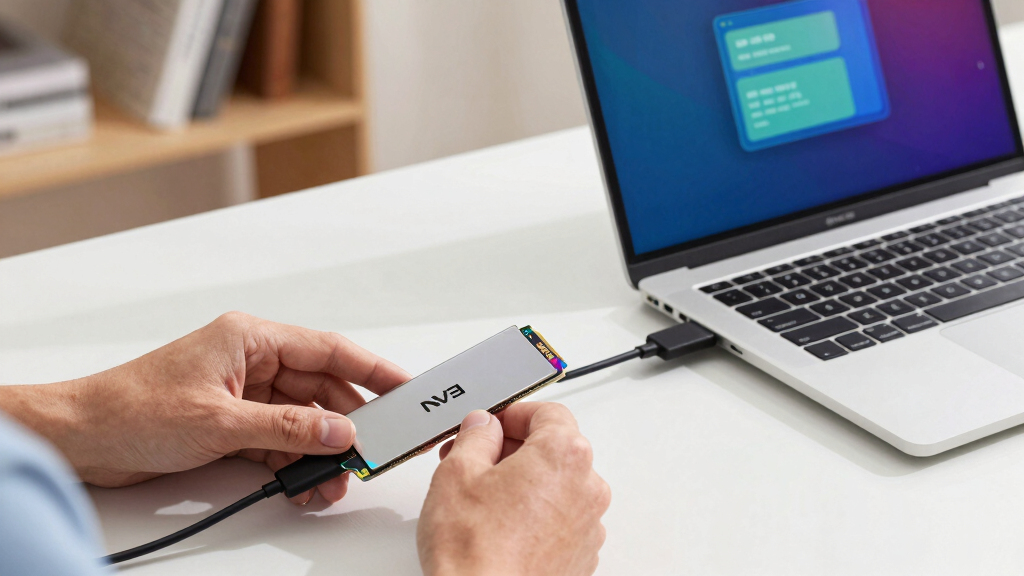
2TB NVMe SSD high performance
As an affiliate, we earn on qualifying purchases.
As an affiliate, we earn on qualifying purchases.
How NAND Supply Shortages Developed in 2026
Over the past nine months, NAND contract prices have multiplied roughly four to four-and-a-half times, marking a sharp reversal from previous years when storage was nearly commoditized. The shortage stems from strategic decisions by major manufacturers like Samsung, SK Hynix, and Micron, who have reduced wafer targets amid high profitability. Industry insiders report that these firms are prioritizing high-margin products such as HBM and enterprise memory, which compete directly with NAND for manufacturing capacity.
Simultaneously, the demand for NAND has surged due to the explosive growth of AI applications, which require vast amounts of fast, reliable storage. High-end AI GPUs and inference servers now routinely demand 16TB or more of TLC or QLC NAND, with some systems requiring over 1,000TB. As the industry shifts focus from training to inference, storage patterns are becoming more intensive, further exacerbating supply constraints.
“Our capacity is only meeting about 55–60% of customer demand, and we are prioritizing high-margin enterprise and AI-related products.”
— A senior executive at Micron
enterprise SSD storage solutions
As an affiliate, we earn on qualifying purchases.
As an affiliate, we earn on qualifying purchases.
Unclear Extent of Price Manipulation vs. Genuine Shortage
It remains uncertain how much of the current NAND price increase is due to deliberate capacity restrictions aimed at maintaining high margins versus genuine supply shortages caused by wafer competition and production delays. Industry insiders suggest both factors are at play, but precise quantification is not available.
consumer SSD with fast read/write speeds
As an affiliate, we earn on qualifying purchases.
As an affiliate, we earn on qualifying purchases.
Expected Industry Responses and Market Adjustments in 2026
Manufacturers are unlikely to significantly expand capacity in the short term, as new fabs take years to build and are capital-intensive. Buyers should prepare for continued high prices and potential shortages, especially for enterprise and AI-specific storage. Market analysts predict that supply constraints may persist into 2027 unless new capacity is rapidly developed or alternative storage technologies gain traction.
In the meantime, consumers and enterprises are advised to stockpile critical storage components now and avoid overpaying for premium interfaces like PCIe Gen 5, which carry a steep premium without substantial performance benefits for most applications.
high capacity SSD for AI applications
As an affiliate, we earn on qualifying purchases.
As an affiliate, we earn on qualifying purchases.
Key Questions
Why are SSD prices rising so sharply in 2026?
Prices are increasing due to a combination of supply shortages caused by wafer competition among memory types and the huge demand from AI applications that require vast amounts of NAND flash storage.
Will new NAND production capacity be available soon?
Building new fabs takes two to three years, and current industry strategies focus on maintaining margins rather than expanding capacity immediately. Significant capacity increases are unlikely before 2028.
How does AI drive storage demand?
AI applications, especially inference workloads, require large, fast storage for models and data retrieval, with some systems demanding over 1,000TB of NAND, significantly increasing overall demand.
Should consumers wait for prices to drop?
Given the current market dynamics, waiting may cost more as shortages persist. Buyers are advised to purchase only what they need now and consider stockpiling critical components.
Is this shortage specific to NAND or affects other storage types?
The shortage primarily impacts NAND-based SSDs, but even traditional hard drives are experiencing price increases due to broader supply chain pressures and long-term storage needs.
Source: ThorstenMeyerAI.com