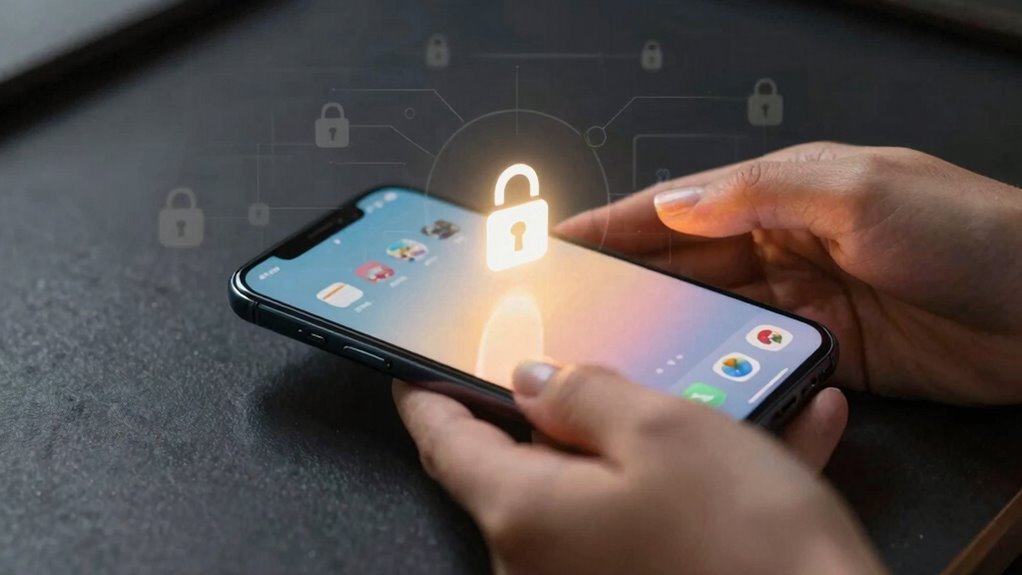

Your phone now holds more personal information than ever, making strong privacy features essential to protect your digital life. Clear and simple privacy controls help you understand and manage what data is shared. User-friendly permissions and safeguards prevent unwanted access, reducing risks like identity theft. Securing your data with encryption and limited sharing keeps you safer from breaches. Staying aware of these features guarantees you maintain control. Continue exploring, and you’ll discover how these tools can truly strengthen your privacy.

Get movie nights delivered free — and shop member deals
- Fast, free delivery on millions of items
- Access to Prime Big Deal Days deals on October 6–7
- Prime Video, Amazon Music and more included
Key Takeaways
- Phones store vast personal data, increasing risks of misuse and identity theft without strong privacy controls.
- Simplified and transparent privacy settings empower users to manage data sharing proactively.
- Enhanced permission management ensures apps only access necessary information, reducing potential data leaks.
- Privacy features protect against data breaches and unauthorized tracking in an interconnected digital environment.
- User control and clear safeguards help maintain trust and safety in an increasingly digital world.
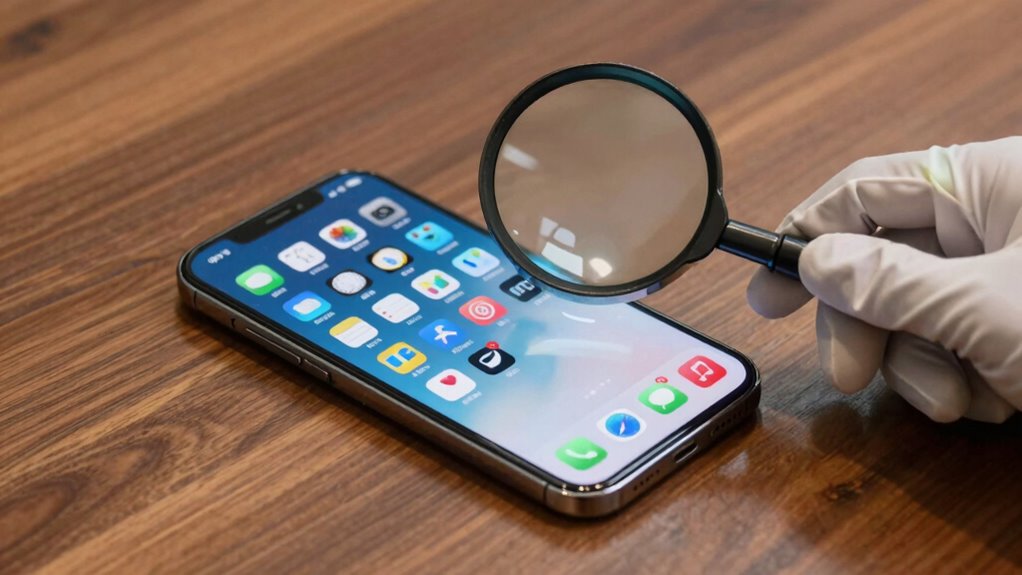
In today’s digital world, your phone holds a wealth of personal information, making data privacy features more important than ever. Every app you download, every message you send, and every location you share leaves a digital trail. Because of this, the way privacy features are designed on your device can significantly impact how well your information is protected. The user interface plays a crucial role here—it should be straightforward and transparent, allowing you to understand what data is being collected and how it’s used. When privacy settings are clear and easily accessible, it’s easier to identify potential vulnerabilities and take appropriate action. A cluttered or confusing interface can lead to accidental sharing or neglecting privacy options altogether, which increases vulnerability.
Clear, accessible privacy settings empower users to control their data and protect their personal information effectively.
User consent is another vital aspect of privacy features on phones. Modern devices are built to prioritize your permission before apps access sensitive data like your location, contacts, or camera. This means every time an app requests access, you’re prompted to approve or deny the request explicitly. This active process empowers you to decide what information you’re comfortable sharing and gives you control over your digital footprint. When the process is transparent and simple, it encourages more mindful decisions about your privacy. Conversely, if consent requests are hidden or overly complicated, you might inadvertently grant permissions without fully understanding the implications, leaving your data exposed. Additionally, privacy dashboards and detailed activity logs are increasingly available to help you monitor and review your permissions and data usage. These features can also help you stay informed about data collection practices, ensuring you’re aware of how your information is being used across different apps and services.
The importance of these features extends beyond individual privacy. Data breaches and misuse of personal information have become commonplace, often resulting in identity theft, financial loss, or targeted advertising. Your phone’s privacy controls serve as the first line of defense against such threats. They help you prevent unwanted tracking, limit data collection, and manage app permissions effectively. Furthermore, secure encryption plays a critical role in safeguarding stored data from unauthorized access. As technology evolves, so do the privacy features—adding options like temporary permissions, privacy dashboards, and detailed activity logs. These tools give you a clearer picture of how your data is being used and allow you to adjust settings accordingly, similar to how contrast ratios significantly influence image quality in projectors.
Ultimately, the combination of a user-friendly interface and active user consent mechanisms makes a significant difference. They ensure you’re not just passively accepting data collection but are actively involved in protecting your personal information. As you become more aware of the privacy options available, you can tailor your device’s settings to fit your comfort level—making your digital life safer, more private, and more in your control. These features aren’t just technical add-ons; they’re essential safeguards in today’s interconnected world.
privacy screen protector for smartphones
As an affiliate, we earn on qualifying purchases.
As an affiliate, we earn on qualifying purchases.
Frequently Asked Questions
How Often Should I Update My Phone’s Privacy Settings?
You should review and update your privacy settings at least once a month to stay protected. Regular privacy setting updates guarantee you’re aware of new features and permissions, reducing vulnerabilities. Pay attention to security prompt frequency, responding promptly to any alerts. Staying proactive helps prevent unauthorized access and keeps your personal data safe. Making these small adjustments regularly keeps your phone’s privacy robust against evolving threats.
Are Data Privacy Features Available on All Smartphone Brands?
Are data privacy features available on all smartphone brands? Not quite. While many devices now offer robust privacy tools, app compatibility can vary, and some brands prioritize different features. Privacy regulations influence what’s available, but not every brand implements the same standards. You need to research specific models to guarantee they meet your privacy needs. Remember, a phone’s privacy features are only as good as the brand’s commitment to protecting your data.
What Are the Risks of Not Enabling Privacy Features?
If you don’t enable privacy features, you risk exposing your personal data to hackers, advertisers, or malicious apps. Without data encryption, your sensitive information remains vulnerable to interception. Privacy notifications alert you to suspicious activity or app access, helping you react promptly. Ignoring these features leaves your device open to breaches, identity theft, and loss of control over your data, making it essential to activate and manage privacy settings actively.
Can Privacy Settings Be Customized for Different Apps?
Yes, you can customize privacy settings for different apps. Studies show that 78% of users don’t review app permissions regularly, risking privacy breaches. By adjusting app permissions and using privacy customization, you control what data each app accesses. You can restrict location, camera, or mic access, ensuring your personal information stays protected. Take charge of your privacy by tailoring app permissions to fit your comfort level and prevent unnecessary data sharing.
Do Privacy Features Affect Phone Performance or Battery Life?
Privacy features can affect your phone’s performance and battery life. You might notice a slight battery impact because some privacy settings, like app permissions or background activity restrictions, require extra processing. However, these performance trade-offs are usually minimal and worth it for enhanced security. Overall, modern phones are designed to balance privacy and performance efficiently, so you can enjoy strong data protection without considerably sacrificing battery life or speed.
app permission manager for Android/iPhone
As an affiliate, we earn on qualifying purchases.
As an affiliate, we earn on qualifying purchases.
Conclusion
As you navigate today’s digital world, remember that data privacy features on your phone aren’t just a luxury—they’re your shield in the age of information overload. Think of them as your personal knight, guarding your secrets like a medieval castle. Without these features, you’re as exposed as a knight without armor during the Battle of Hastings. Stay vigilant, enable privacy controls, and keep your digital life secure—because in this era, privacy isn’t optional, it’s essential.
As an affiliate, we earn on qualifying purchases.
As an affiliate, we earn on qualifying purchases.
Fall Picks
fall essentials
As an affiliate, we earn on qualifying purchases.