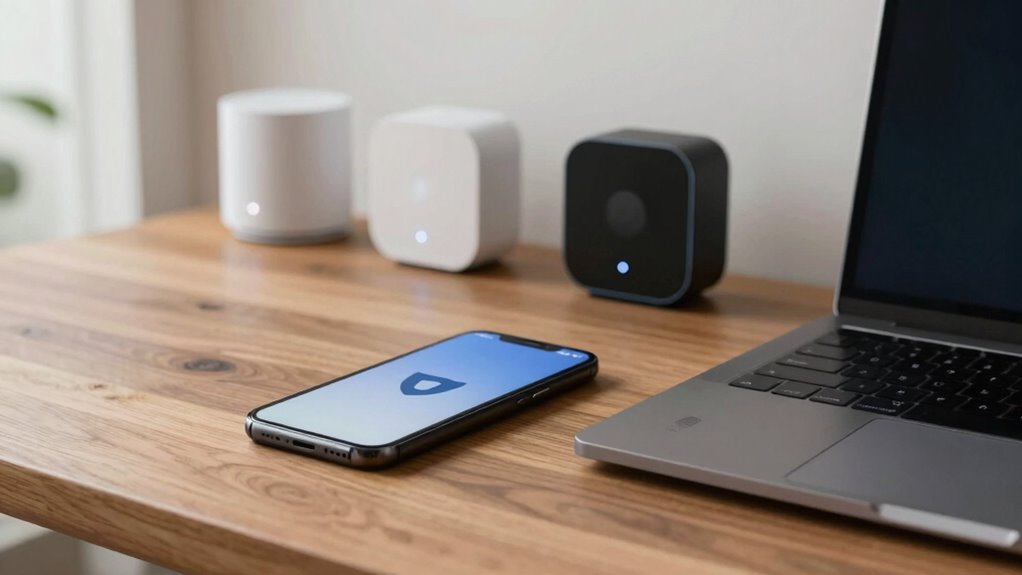

As privacy threats and data breaches grow, device makers now focus on protecting your personal info from the start. They use stronger encryption to keep your conversations, finances, and browsing habits safe. Clear controls let you decide what info is shared, while data minimization reduces your exposure. Privacy-first design builds trust and gives you more control over your digital footprint. To understand how these features work together to keep you secure, keep exploring this evolving trend.

Get movie nights delivered free with Prime
- Fast, free delivery on millions of items
- Prime Video, Amazon Music and more included
- Member-only deals all year
Key Takeaways
- Growing awareness of data security risks drives demand for devices with built-in encryption and privacy protections.
- Regulations like GDPR and CCPA require transparent data practices, encouraging manufacturers to prioritize privacy features.
- Privacy-first devices empower users with granular controls, enhancing trust and user confidence.
- Advances in privacy-enhancing technologies enable secure data handling without compromising functionality.
- The shift toward responsible digital innovation emphasizes protecting personal information as a core device design principle.
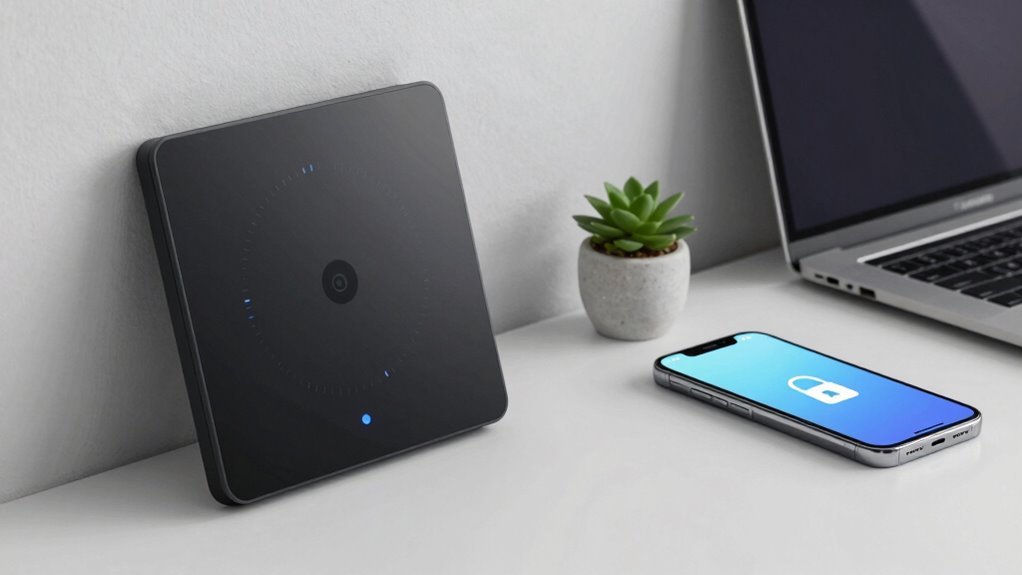
Have you ever wondered if your devices truly protect your privacy? With growing concerns about data breaches and misuse of personal information, manufacturers are shifting their focus toward building devices that prioritize your privacy first. This means implementing stronger data encryption methods that safeguard your data from unauthorized access. Data encryption transforms your information into an unreadable format unless you have the proper decryption key, making it much harder for hackers or even third-party apps to access your sensitive details. When devices are designed with robust encryption, your private conversations, financial information, and browsing habits stay protected, even if the device falls into the wrong hands.
But encryption alone isn’t enough. You also need to have control over what data is collected and how it’s used. That’s where user consent comes into play. Manufacturers are now emphasizing transparent privacy policies and clear consent processes, so you’re always aware of what data your device gathers and for what purpose. Instead of buried terms and conditions, you get straightforward options that let you decide whether to share certain information. This shift empowers you to maintain control over your digital footprint, making privacy a collaborative effort rather than a default setting.
Building devices with privacy first also means designing technologies that minimize data collection from the outset. Rather than collecting vast amounts of information just in case it might be useful later, these devices are engineered to gather only what’s necessary for their core functions. This principle, known as data minimization, reduces the risk of exposing your data in case of a breach. Plus, it aligns with privacy regulations like GDPR and CCPA, which demand that companies only collect data with your explicit consent and for legitimate purposes. Implementing privacy by design is essential in creating trustworthy products that respect user rights. Additionally, manufacturers are increasingly adopting privacy-enhancing technologies to further safeguard user data and reinforce trust. Moreover, designing with security best practices in mind helps prevent vulnerabilities that could compromise user privacy.
Furthermore, privacy-centric devices are increasingly adopting features that give you granular control over your data. You can toggle permissions for location sharing, microphone access, or camera use directly from your device settings. These options help you make informed decisions about your privacy without digging through complicated menus. As more manufacturers prioritize privacy by design, you’ll find that your device respects your boundaries rather than pushing intrusive data collection on you. Additionally, adopting strong data encryption techniques helps protect your information even if unauthorized parties try to access your device.
In the end, building devices around privacy first isn’t just a trend; it’s a necessary evolution in a digital world where personal data is constantly at risk. By combining strong data encryption, transparent user consent, and thoughtful data minimization, manufacturers are creating products that protect your privacy knowingly and intentionally. You can enjoy the convenience of modern technology without sacrificing control over your personal information, knowing that your device is designed with your privacy in mind every step of the way.
As an affiliate, we earn on qualifying purchases.
Frequently Asked Questions
How Do Privacy-Focused Devices Impact User Convenience?
Privacy-focused devices might slightly limit some convenience, but they empower your user autonomy by giving you more control over your data. They prioritize data minimization, collecting only what’s necessary, which helps protect your privacy. While this might mean fewer personalized features, it guarantees your information stays secure. Ultimately, these devices encourage you to make informed choices and maintain control, balancing convenience with security and respecting your privacy preferences.
Are Privacy-First Devices More Expensive Than Traditional Ones?
Privacy-first devices often cost more upfront due to enhanced security features and privacy protections, which impact cost implications. However, many consumers perceive these devices as worth the investment because they prioritize data security and personal privacy. While the initial price might be higher, the added value in protecting your information can justify the expense, making privacy-first devices an increasingly attractive choice despite their potentially higher cost.
What Are the Main Technical Challenges in Building Privacy-First Devices?
You face key challenges when building privacy-first devices, especially with encryption protocols and data anonymization. Guaranteeing strong, efficient encryption without slowing device performance is tough. You also need to anonymize data effectively, preventing user identification while maintaining functionality. Balancing security with usability is complex, requiring sophisticated algorithms and hardware. Overcoming these technical hurdles ensures your device protects user privacy without sacrificing speed or features.
How Do Privacy-First Devices Handle Data Sharing With Third Parties?
Privacy-first devices act like gatekeepers, carefully controlling data sharing with third parties. They prioritize user consent, ensuring you decide what info gets shared. Data anonymization is their shield, converting personal details into anonymous data to protect your identity. These devices only share data when you authorize it, respecting your privacy. By combining user consent and data anonymization, they keep your information safe while still enabling useful third-party services.
Can Privacy-Focused Devices Still Provide Personalized Experiences?
Yes, privacy-focused devices can still offer personalized experiences, but there’s often a personalization trade-off. They prioritize user control, allowing you to decide what data is shared and how it’s used. This means you might receive slightly less tailored content or suggestions, but you gain greater privacy. By actively managing your preferences, you guarantee your device respects your boundaries while still delivering a customized experience.
As an affiliate, we earn on qualifying purchases.
Conclusion
As you see, more devices are being built around privacy because people value their personal data. By prioritizing your privacy, manufacturers are showing they understand the importance of trust. It’s clear that the industry is shifting gears, and the tide is turning in favor of user rights. When you choose privacy-first devices, you’re not just keeping your data safe—you’re steering the ship in a new direction. After all, in this digital age, it’s better to be safe than sorry.
privacy control smart home devices
As an affiliate, we earn on qualifying purchases.
As an affiliate, we earn on qualifying purchases.
data minimization security gadgets
As an affiliate, we earn on qualifying purchases.
As an affiliate, we earn on qualifying purchases.
Halloween Picks
halloween
As an affiliate, we earn on qualifying purchases.