🔍 Read the full analysis: How To Choose Among The 15 Best AI Workflow Automation Tools In 2027 on ThorstenMeyerAI.com

Get movie nights delivered free with Prime
- Fast, free delivery on millions of items
- Prime Video, Amazon Music and more included
- Member-only deals all year
TL;DR
ThorstenMeyerAI.com published a roundup of 15 books about AI workflow automation, with Microsoft Power Automate as its recommended practical starting point. The list covers beginner learning, business functions and specialist fields; it ranks books, not software platforms, and the source does not establish the quality or completeness of every book.
ThorstenMeyerAI.com has published a roundup of 15 books on AI workflow automation, recommending a guide to Microsoft Power Automate as a practical starting point and distinguishing beginner, business and specialist options, as detailed in the original analysis. The list is a ranking of books, not a comparison of automation software, and its recommendations are based on each title’s stated focus and intended audience.
The roundup names Workflow Automation with Microsoft Power Automate as its leading pick for readers seeking practical automation in a familiar business environment. It also points to Hands-On AI Workflow Automation for no-code learning and Building AI Agents for Network Operations for technical network-operations work. Those recommendations reflect different purposes, rather than a single measure of which approach is best for everyone, much like the options covered in this guide to AI workflow automation tools.
Other titles address narrower professional or organizational needs. The source identifies books on small-business adoption, accounting and marketing, and describes AI Business Automation as covering marketing, sales, customer support, research and operations. It also highlights The AI-Powered Accountant for accounting workflows and The AI Workflow Rescue for its attention to human judgment and review, themes also relevant to choosing AI workflow automation software.
ThorstenMeyerAI.com says it ranked the books by audience fit, practical orientation, accessibility to beginners, technical depth and breadth of use cases. It cautions that a book’s title does not establish how complete or effective its methods are. The supplied material does not provide publication dates, edition details, prices, author information or independent testing results for the 15 selections.
The 15 picks
- 1
 Workflow Automation with Microsoft Power AutomateView on Amazon →
- 2
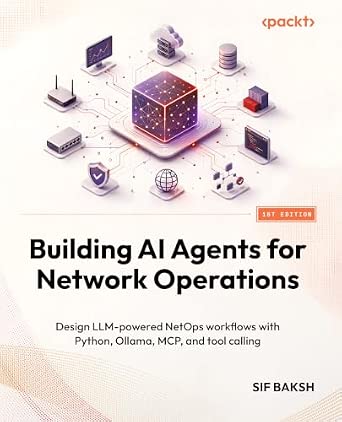 Building AI Agents for Network Operations: Design LLM-Powered NetOps Workflow…View on Amazon →
- 3
 The No-BS Guide to AI Agents & Automation: Build AI Workflows, Automate Your…View on Amazon →
- 4
 AI-Powered Automation and Workflows for Small Business OwnersView on Amazon →
- 5
 AI Agents: From Theory to Operations — A Practical Guide to Business Automati…View on Amazon →
- 6
 AI Automation: A Practical Guide to Automating Repetitive Tasks with AI Tools…View on Amazon →
- 7
 AI Business Automation: Practical Workflows for Marketing, Sales, Customer Su…View on Amazon →
- 8
 The AI Workflow Rescue: Use AI to Remove Repetitive Work Without Losing Human…View on Amazon →
- 9
 Claude AI: From Beginner to Expert — A Practical Guide to Prompt Engineering,…View on Amazon →
- 10
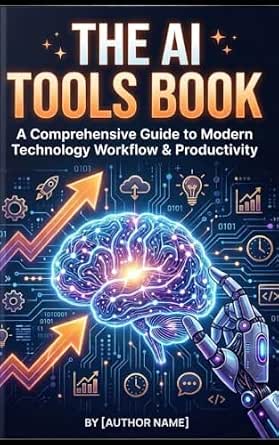 The AI Tools Book: A Practical Guide to Artificial Intelligence for Freelance…View on Amazon →
- 11
 AI Automation for Small Businesses: A Practical Guide to Saving Time, Working…View on Amazon →
- 12
 AI Agents and Automation for Beginners: Build Controlled Workflows That Obser…View on Amazon →
- 13
 Hands-On AI Workflow Automation: A Beginner-Friendly Roadmap to Eliminating R…View on Amazon →
- 14
 The AI-Powered Accountant: How to Use ChatGPT, AI Tools, and Smart AutomationView on Amazon →
- 15
 AI for Everyday Automation: 7 AI Workflows to Save Hours at Work Every WeekView on Amazon →
Choosing a Guide That Fits the Work
The roundup matters to readers because AI workflow automation spans very different jobs: connecting routine business tasks, learning no-code methods, managing agent behavior or handling specialist operations. A guide that is useful for one setting may not help with another. Matching the book to a specific task and the reader’s technical starting point can make the list more actionable than choosing solely by its ranking.
The source also draws attention to human review and oversight. Automating a repetitive step is not the same as safely automating an entire process, especially where outputs affect customers, finances or records. Readers should treat the recommendations as a way to identify potentially relevant guides, not as evidence that a workflow is suitable for unattended use.
Popular right now

Hisense 40-Inch QD4SR Series Hi-QLED FHD Roku Smart TV

Breville Barista Express Espresso Machine with Built-In Grinder, Brushed Stainless Steel

Dyson Purifier Cool PC2 De-NOx
As an affiliate, we earn on qualifying purchases.
How the Fifteen Books Were Ranked
The selection criteria are described as audience fit, practical orientation, beginner accessibility, technical depth and range. The publisher says a specialized title may rank well when it directly matches a reader’s needs, while technical material can be valuable to practitioners but less accessible to people seeking no-code instruction. It also considered whether titles address controlled agent behavior and human review.
The roundup advises readers to start with one recurring workflow: identify what triggers it, what information it uses and what result is expected. It suggests checking the book’s methods against existing software and data systems, and deciding where a person should approve outputs. Those are selection considerations offered by the source, not reported findings from a comparative test of the books or tools.
“The best AI workflow automation pick in this roundup is Workflow Automation with Microsoft Power Automate.”
— ThorstenMeyerAI.com roundup
What the Ranking Does Not Establish
The source material does not give a publication date, edition information, prices or full bibliographic details for the books. It also does not report hands-on tests of their instructions, compare outcomes from workflows built using them, or explain how the ranking changes over time. The title’s reference to 2027 is not substantiated by the supplied material as a publication year or forecast.
It is also unclear how the ranking would apply to readers using platforms outside the examples named, or to organizations with specific security, regulatory or maintenance requirements. The publisher describes its selection criteria but does not provide evidence that every book covers those requirements.
Check the Workflow Before Buying
Readers can use the list as a starting point, then verify each book’s edition, contents and intended audience before choosing. The next practical step is to define a workflow, check the guide’s technical level against the people who will maintain it, and identify any approval points needed for consequential outputs.
No further ranking updates or follow-up testing are specified in the supplied material. Until more details are available, readers should treat the order as the publisher’s judgment, not an independently verified performance comparison.
Key Questions
What is the roundup’s top recommendation?
ThorstenMeyerAI.com names Workflow Automation with Microsoft Power Automate as its leading pick, aimed at readers who want practical guidance in Microsoft’s automation environment.
Is this a ranking of automation software?
No. The list ranks 15 books about AI workflow automation, not software platforms. The source says the titles alone do not establish the quality or completeness of their methods.
Which book is presented as a no-code option?
The roundup highlights Hands-On AI Workflow Automation for hands-on, no-code learning. Readers should still check the book’s contents and technical requirements before choosing it.
Which titles focus on specialist work?
The source points to Building AI Agents for Network Operations for technical NetOps workflows and The AI-Powered Accountant for accounting. It describes them as targeted guides rather than broad introductions.
How should readers decide which guide fits?
Start with a specific recurring task, then match the book’s technical level, subject and tools to the people and systems involved. Consider where human review is needed, particularly when outputs could affect customers, finances or records.
Source: ThorstenMeyerAI.com